Mar 12, 2019
EPA has deliberately excluded exposure from legacy asbestos and its disposal from the scope of its risk evaluation, leaving workers at risk of dangerous exposure.
The Public Record
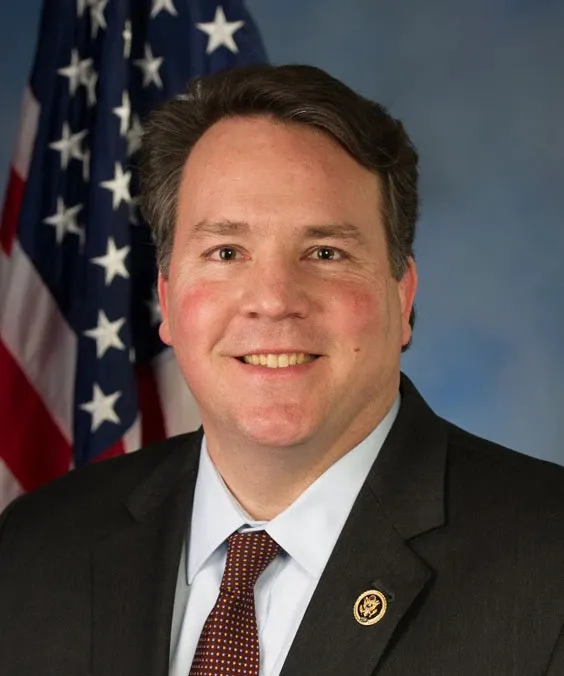
David Bennett McKinley is a former member of the U.S. House of Representatives, serving West Virginia's 1st congressional district from January 5, 2011, until January 3, 2023. A member of the Republican Party, McKinley focused on issues such as energy policy, infrastructure development, and healthcare during his time in office. He was known for advocating for the coal industry and promoting economic growth in West Virginia. McKinley also served on various committees, including the House Energy and Commerce Committee, where he played a role in shaping legislation related to energy and health care.
EPA has deliberately excluded exposure from legacy asbestos and its disposal from the scope of its risk evaluation, leaving workers at risk of dangerous exposure.
I have many criticisms of this administration's failure to properly implement the law, but its failure to protect these groups is near the top of my list.
What brings us here is that Speaker Pelosi still believes broadband providers are the real threat.
The internet seems to be working today, despite all the hyperbolic rhetoric to the contrary last year.
Frankly, Title II could provide the Federal Government near unlimited and unchecked authority to regulate and tax.
I have repeatedly called for an end to this ridiculous partisan back and forth.
I am curious to see how you are going to reconcile energy efficiency and a healthy environment on the inside of our buildings.
I like working on energy efficiency. As one of just two engineers in Congress, it makes a lot of sense for an engineer to be involved in this.
The families actually see, average American family sees a reduction under Obamacare, as he promised at Virginia High School in my district, a $2,500 decrease.
We are asking people, other nations of the world, to implement reductions in their emissions but we are not giving them the tools to do it.
America could very well lead the way and we have in decarbonizing and lowering our emissions.
They are already making a good wage. They are making $80,000 a year, but because of regulations and things we are imposing on them in Washington, they are losing their jobs.
The decline in the fossil fuel industry across this country. We are taking those wages away, and we are going to replace them with something that is a hope that something will happen for them.
What are we doing to train them there? What jobs are going to go there for them?
Companies for years have ignored them. They are not investing in Thurmond or Welch or other--all across, not just West Virginia, but Kentucky and Wyoming and elsewhere.
Where are we going to train these people for--it may be, indeed, a movement into the renewable energy field.
That is not--maybe it doesn't have as many fines and inspections but the result is we are accomplishing a cleaner environment doing it this way.
We didn't sign the Kyoto treaty. We didn't do the Paris Accord. We have withdrawn from that.
Politicians like David McKinley