Mar 20, 2024
A key part of realizing equity in transportation systems is ensuring smaller communities can succeed in accessing funding.
The Public Record
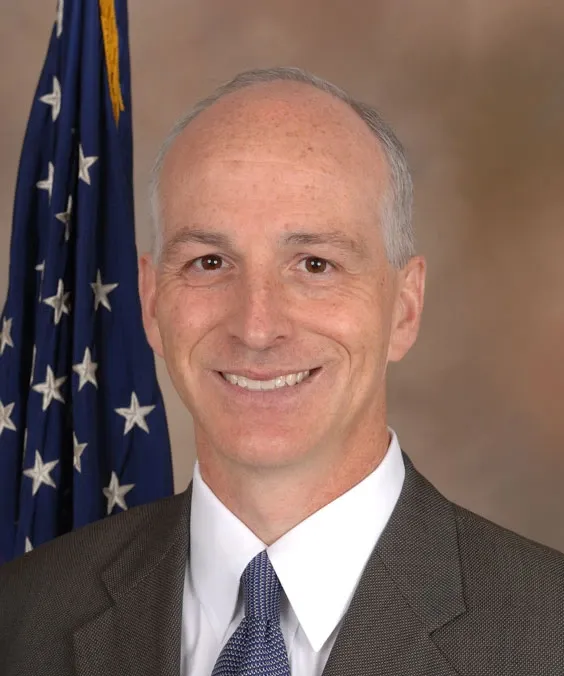
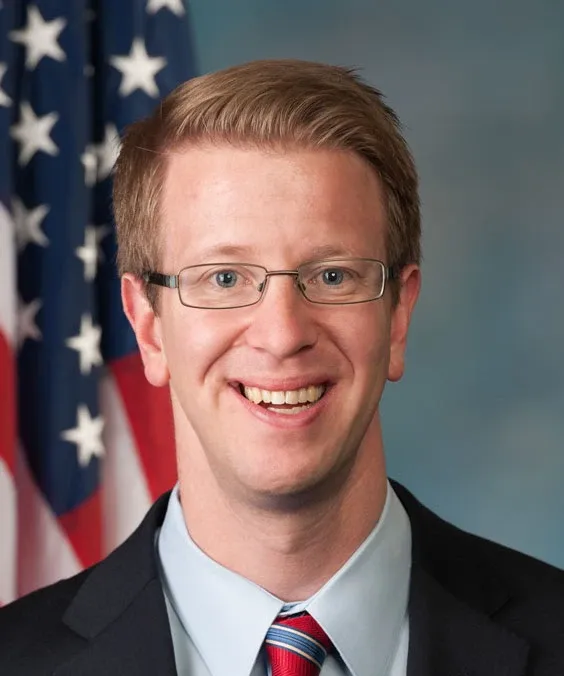
Rick Larsen is a member of the United States House of Representatives, representing Washington's 2nd congressional district since 2001. A member of the Democratic Party, Larsen has focused on issues such as transportation, economic development, and veterans' affairs during his tenure. He has served on various committees, including the House Transportation and Infrastructure Committee, where he has advocated for infrastructure improvements and funding for local projects.
A key part of realizing equity in transportation systems is ensuring smaller communities can succeed in accessing funding.
We have no further speakers, and I yield back the balance of my time. The Acting CHAIR. The question is on the amendment offered by the gentleman from Georgia (Mr. McCormick). The amendment was agreed to. {time} 1515 Amendment No. 7…
I claim the time in opposition to the amendment, even though I am not opposed to it. The Acting CHAIR. Without objection, the gentleman is recognized for 5 minutes. There was no objection.
I claim the time in opposition to the amendment, even though I am not opposed to it. The Acting CHAIR. The gentleman from Washington is recognized for 5 minutes. There was no objection.
Section 3 of H.R. 6276 requires the heads of Federal agencies to work with the Administrator of General Services to identify, deploy, and use sensors and other technologies to measure the occupancies of Federal buildings. The amendment…
Section 4 of H.R. 6276 requires the heads of Federal agencies to submit to the Office of Management and Budget and the General Services Administration and Congress a report on the usage of real property. The amendment that the…
I claim the time in opposition to the amendment, even though I am not opposed to it. The Acting CHAIR. Without objection, the gentleman from Washington is recognized for 5 minutes. There was no objection.
Again, I do not oppose the amendment on this side of the aisle, and I yield back the balance of my time. The Acting CHAIR. The question is on the amendment offered by the gentleman from North Carolina (Mr. Edwards). The amendment was…
The Committee is aware of concerns raised about inequities in the delivery of disaster assistance to disaster survivors.
I believe our findings--the key message was that FEMA was interpreting the Stafford Act requirements differently for COVID-19 deaths than it had for deaths from other disasters.
The BIL made great progress in making our Nation more resilient by providing nearly $7 billion to help communities proactively prepare for disasters.
Diversity is important because it will improve program delivery and the Agency's understanding of challenges faced by disaster survivors across the Nation.
I remain concerned with the Government Accountability Office's finding that a 35-percent staffing gap exists across different positions at FEMA.
I would be remiss if I didn't raise my continued concern with the Federal Highway Administration's final rule to require a greenhouse gas performance measure forcing State DOTs and MPOs to set declining targets for carbon dioxide emissions…
There is never enough money from the Federal Government when it comes to transportation funding.
DOT has risen to the occasion to get this money into the hands of communities by issuing nearly 90 Notices of Funding Opportunity.
Congress provided 30 percent of this amount, about $196 billion, to be distributed through 72 competitive grant programs.
The law provides record-breaking funding for critical infrastructure projects.
Thank you, Chair Graves, for holding this hearing to explore how competitive grant funds from the Bipartisan Infrastructure Law are providing opportunities and delivering results.
The Coast Guard has both a moral and a functional need to implement culture change.
Ranking Member Carbajal and I sent a letter to the Appropriations Committee last month urging the inclusion of an additional $21.8 million.
Culture change can create a more tolerant, accepting, and supportive workforce.
Politicians like Rick Larsen