Jan 24, 2018
I fought with Senator Cory Gardner (R-CO) for ESSA's bipartisan data transparency provisions to help us better understand how schools are serving all kids.
The Public Record
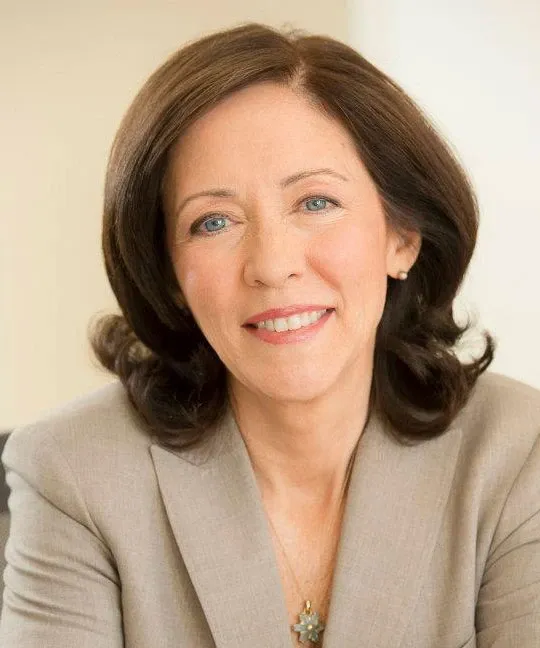
Patty Lynn Murray is a United States Senator from Washington, serving since 1993. A member of the Democratic Party, she has held various leadership positions in the Senate, including serving as the Senate's first female President pro tempore. Throughout her tenure, Murray has focused on issues such as education, healthcare, and women's rights, advocating for policies that support working families and promote economic growth.
I fought with Senator Cory Gardner (R-CO) for ESSA's bipartisan data transparency provisions to help us better understand how schools are serving all kids.
The very people who need to understand how schools are doing around certain subgroups the most--the families of students who belong in these subgroups--aren't able to get the information.
Some states have chosen not to use subgroup performance in school ratings at all, which--I would echo Senator Murray--is a clear violation of the law.
It's very important that we know what is carried out during implementation follows congressional intent and reflects the bipartisan agreement that we make.
In passing ESSA, it was our intention to put our Nation's K-12 law on stable footing and ensure the law was implemented consistently across all 50 states.
So as the approval process concludes, the Department's monitoring of state accountability plans, the monitoring itself, will become all the more important.
There have been a series of problems with ESSA implementation under the Trump administration, including importantly a lack of transparency in the state plan approval process.
I want to, by the way, touch on a common misconception on this topic. Identifying struggling schools is not intended to punish or embarrass those schools.
I believe in this law, and I'm not going to stop raising these issues until the Department resolves them.
We worked together to break through some partisan gridlock here and negotiated a bipartisan education law.
I am very concerned that the Department of Education is approving state plans that do not comply with all of ESSA's Federal guardrails.
It is widely misguided and simply wrong to ask low-income families and the workers who need a hand up to bear the brunt of massive cuts while trillions are being spent on tax cuts for the rich.
It is pretty obvious. This Budget Committee has been unable or unwilling to do its job.
Republicans spent 2017 hijacking the budget process for two things: first of all, a partisan attempt to take health care away from millions of families, which, thankfully, crashed and burned; and, second, jamming through the massive tax…
Republicans have busted our budget with trillions in tax cuts for the rich, and this budget starts asking the middle class to actually pay for that.
How absurd it is to cut $200 billion in financial aid for college while students are struggling to afford college and keep their heads above water.
To be successful, we have to have bipartisan support, which is why I am again extending my hand to the other side of the aisle looking for willing partners to join me.
Instead of funding the Federal Government week by week or month by month, we must address the structural deficiencies of our budget process.
The way to approach the task ahead for us is to focus on what I call the 80-percent rule.
The submission of the President's annual budget proposal marks an important first step in what should be an orderly budget process.
I hope we can work with the Department of Education to fully implement the ESSA law as Congress intended.
Politicians like Patty Murray