Jan 29, 2018
One of the reasons you and I are able to work together to tackle big, important issues like higher education is because we work to find common ground and negotiate in good faith.
The Public Record
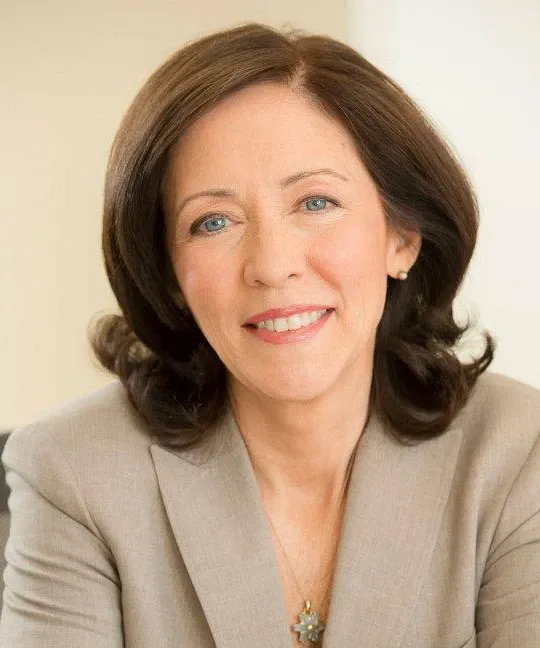
Patty Lynn Murray is a United States Senator from Washington, serving since 1993. A member of the Democratic Party, she has held various leadership positions in the Senate, including serving as the Senate's first female President pro tempore. Throughout her tenure, Murray has focused on issues such as education, healthcare, and women's rights, advocating for policies that support working families and promote economic growth.
One of the reasons you and I are able to work together to tackle big, important issues like higher education is because we work to find common ground and negotiate in good faith.
I do not at this point in time. I think we need to learn more in a demonstration project.
So do you think that Congress should eliminate requirements for faculty interaction?
I am really concerned that there are several proposals out there that actually remove Federal rules related to safeguards around faculty interaction in online education.
I think a lot of us don't recognize how many students are in college who are homeless.
If we want to truly help students, we also need to improve how we hold colleges accountable for student performance.
I am confident we can find a bipartisan solution, but it will be challenging, and this is just the beginning.
I believe we had a productive conversation on reducing college costs last week.
Providing pathways to college for nontraditional and underrepresented students should be a top priority of ours.
I fought with Senator Cory Gardner (R-CO) for ESSA's bipartisan data transparency provisions to help us better understand how schools are serving all kids.
The very people who need to understand how schools are doing around certain subgroups the most--the families of students who belong in these subgroups--aren't able to get the information.
Some states have chosen not to use subgroup performance in school ratings at all, which--I would echo Senator Murray--is a clear violation of the law.
It's very important that we know what is carried out during implementation follows congressional intent and reflects the bipartisan agreement that we make.
In passing ESSA, it was our intention to put our Nation's K-12 law on stable footing and ensure the law was implemented consistently across all 50 states.
So as the approval process concludes, the Department's monitoring of state accountability plans, the monitoring itself, will become all the more important.
There have been a series of problems with ESSA implementation under the Trump administration, including importantly a lack of transparency in the state plan approval process.
I want to, by the way, touch on a common misconception on this topic. Identifying struggling schools is not intended to punish or embarrass those schools.
I believe in this law, and I'm not going to stop raising these issues until the Department resolves them.
We worked together to break through some partisan gridlock here and negotiated a bipartisan education law.
I am very concerned that the Department of Education is approving state plans that do not comply with all of ESSA's Federal guardrails.
It is widely misguided and simply wrong to ask low-income families and the workers who need a hand up to bear the brunt of massive cuts while trillions are being spent on tax cuts for the rich.
It is pretty obvious. This Budget Committee has been unable or unwilling to do its job.
Politicians like Patty Murray