Feb 28, 2018
So we are watching this issue and trying to figure out how we can change that.
The Public Record
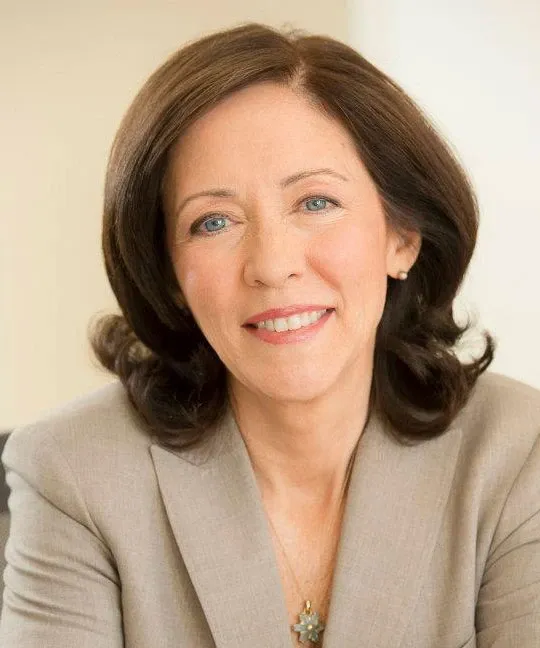
Patty Lynn Murray is a United States Senator from Washington, serving since 1993. A member of the Democratic Party, she has held various leadership positions in the Senate, including serving as the Senate's first female President pro tempore. Throughout her tenure, Murray has focused on issues such as education, healthcare, and women's rights, advocating for policies that support working families and promote economic growth.
So we are watching this issue and trying to figure out how we can change that.
I would not expect you to. But let me just ask you: Do you believe a worker seeking help from a co-worker on a problem related to any term or condition of employment should be protected from punishment from her employer for doing so?
We should be doing everything we can today to protect workers, and that, by the way, includes protection from sexual harassment.
I'm especially glad we have the opportunity to talk about the future and vital work of the National Labor Relations Board.
I want to thank you for holding this hearing today and for remaining very focused on building a bipartisan effort to address this issue.
That actually the data hub on HealthCare.Gov was the part that actually worked.
On a previous trip to a hospital in Longview, Washington, I heard how half--half--of the babies there were born to mothers addicted to opioids.
I heard from an elementary school principal, whose students should be learning to read and write, should be running around full of energy and excitement, but are, instead, struggling to focus at school because of the trauma of their…
I heard from another young parent whose children were taken away because she was unable to overcome her addiction.
I heard from a mother who felt helpless as her son experienced addiction. He sought help. He struggled with relapse and tragically died of an opioid overdose.
I heard from a young man who ended up in foster care because his parents struggled with drug use and mental health issues.
Last week, I was home in Washington State, and I heard firsthand from families and communities who are facing this epidemic.
I am optimistic that we can do this with the same bipartisan spirit we brought to this important issue.
I would just point out that recent studies showed nine out of every 10 pregnancies for women who misuse opioids are unintended, and we can't leave that out of our discussion.
I encourage them to go home and clean out their medicine cabinets and be responsible with the medications that they do have.
I think every parent in the room just went, 'Oh, my God. That could be me,' and your courage in coming and telling this is incredible.
If we are going to beat this public health crisis, we need to make sure we are providing resources to everyone who is touched by it.
I think this issue is one that we really need to address so all students can feel that they have access to higher education.
I think it is clear that we need to redefine how we talk about the total cost of college.
I want to thank all of you. I have some questions I will submit for the record.
The data is clear that a college degree or credential, including an Associate's Degree, is necessary to compete in today's economy.
We have a Pell Grant program that effectively acts as an entitlement, but we do not fund it that way.
We really must have, in the next reauthorization, something to make sure that debt is truly affordable.
We have millions and millions of workers who scramble every month just to pay back their loans.
Politicians like Patty Murray