Jan 17, 2018
Thank you, thank you for in your testimony saying that we need your students.
The Public Record
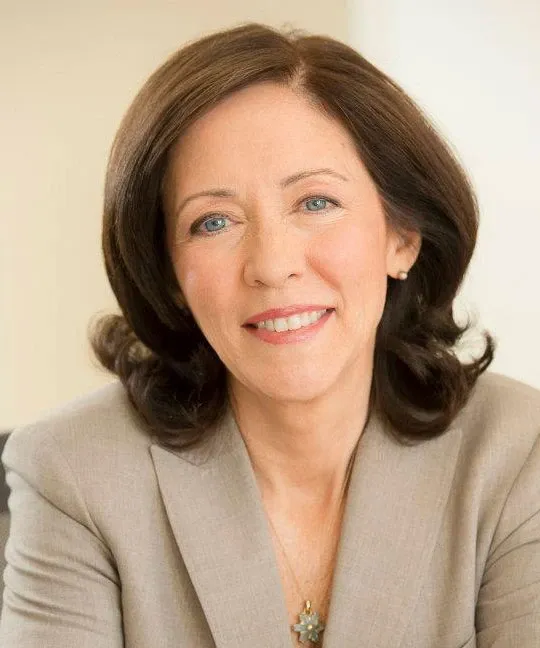
Patty Lynn Murray is a United States Senator from Washington, serving since 1993. A member of the Democratic Party, she has held various leadership positions in the Senate, including serving as the Senate's first female President pro tempore. Throughout her tenure, Murray has focused on issues such as education, healthcare, and women's rights, advocating for policies that support working families and promote economic growth.
Thank you, thank you for in your testimony saying that we need your students.
Taking away resources from students, including their ability to borrow when funds run short, will only make their lives worse.
Students need to know that they are going to be able to get something out of the investment they made.
I am extremely concerned that many of the 42 million Americans with student loan debt are being driven into default.
Now, some have proposed making students pay more interest on their loans or reducing the sources of grant aid.
I have introduced legislative with Senator Rubio that would provide a regulatory framework for so-called ISAs and instill consumer protections for students.
I hope the Chairman and my colleagues across the aisle would join me in advising the Department to implement ESSA as Congress intended.
I think it would be a shame if Republicans refused to stand up to this administration when they disregard the law we wrote.
But we have got secret waiting lists for group mental health care, wait times. This is all from the IG. I am not making this up.
Those are senior-level shortcomings across the system that end up with reducing access to our veterans for care and wasting taxpayer dollars.
We need to do more. We need to do better, and I am going to continue to try to do it.
Last year, the Department tried to quietly take money away from some really essential programs--HUD-VASH, childcare, treatment for women veterans--and move the money to general purpose accounts where it could be spent on literally anything.
A pandemic could affect half a billion people, more than the entire population of the United States; and that is not speculation.
I especially want to thank Senator Casey and Senator Burr for their bipartisan work and leadership on this really important issue.
PAHPA actually acknowledges that there must be specific attention paid to at-risk individuals, and we want to build on that last authorization, because I think we can do better.
In every public health emergency, we have to pay unique attention to people with functional needs that put them particularly at risk.
In the wake of Hurricane Irma, as hospitals were evacuating, the top priority was protecting vulnerable populations including people and individuals with disabilities, and children, and pregnant women.
An important part of that is also the mental health support and everything else that Medicaid brings.
I do not understand the impulse to strip away Medicaid expansion, particularly in areas where this problem is so intensively felt.
Since 2000, nearly 10,000 people in Washington State alone have died of opioid overdose.
I've heard these heartbreaking stories firsthand traveling around my home State of Washington.
I look forward to hearing your perspective on how we can better help our communities fight this crisis.
In the 21st Century Cures Act, I was also proud to champion provisions to improve the inclusion of historically underrepresented populations--including women, racial and ethnic minorities, children, and seniors--in clinical research.
I'm hearing from a lot of women who are very concerned about the direction our country is going today.
Politicians like Patty Murray