Apr 16, 2013
The simple justice that comes from that principled position cannot be overstated.
The Public Record
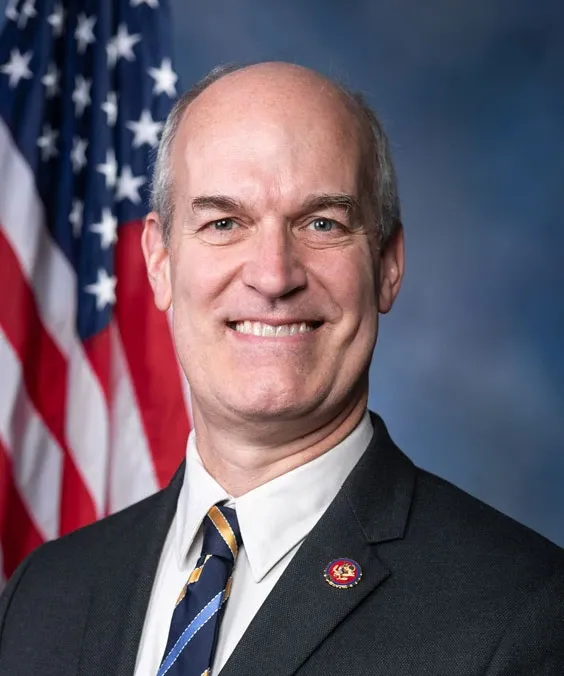
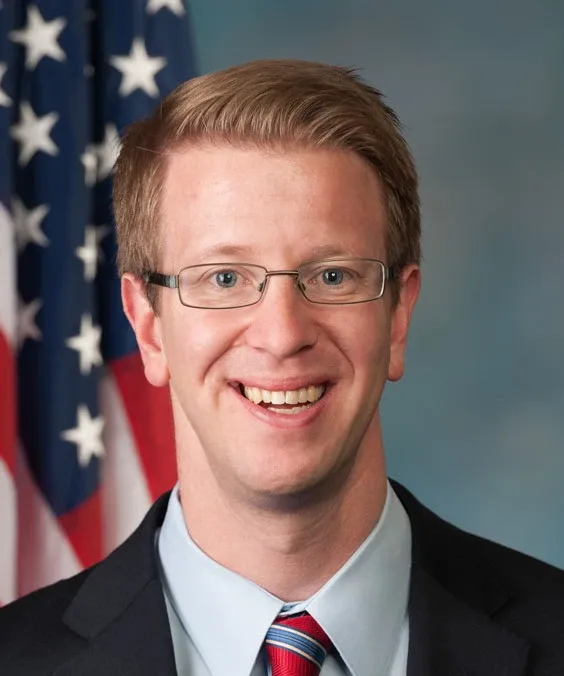
Adam Smith is a U.S. Representative for Washington's 9th congressional district, serving since 1997. A member of the Democratic Party, he has focused on various legislative efforts, particularly in defense and foreign policy. Throughout his tenure, Smith has been involved in key discussions and initiatives related to national security and military funding, reflecting his commitment to these issues. He has also been an advocate for progressive policies within his district and has worked on legislation addressing economic and social challenges faced by his constituents.
The simple justice that comes from that principled position cannot be overstated.
But Afghanistan is directly connected to our vital national security interests and we must get this right.
I think it is important that President Karzai understand that Afghanistan actually needs the Bilateral Security Agreement more than we do.
If we do, the Afghan government will never truly be sovereign, will never truly be stable and will never truly have the respect of the Afghan people that it needs to be the sustainable government that we need it to be.
I think the single most important thing right now is to get that Bilateral Security Agreement to eliminate some of that uncertainty as to what exactly our role is going to be post-2014.
I share in your comments about the outstanding job General Dunford has done and the job that our troops have done in a very, very difficult environment.
As a Congress, we need to stop sequestration. Mindless across-the-board cuts is simply the wrong way to run a government.
I don't think the whole Congress is, and I am convinced that the Nation really doesn't understand the severity of the cuts that we have been imposing.
I hope that you will highlight your concerns regarding this issue in your testimony and provide more detail about where you see this trend going into the future.
I am encouraged by the request for the Air Force's three most important modernization programs, the KC-46A tanker, the F-35A, and the Long-Range Strike Bomber.
Air Force modernization cannot wait for the next big uptick in defense spending.
As a Congress, we need to stop sequestration. However we put it together, whatever the agreement is, mindless across-the-board cuts is simply the wrong way to run a government.
We must ask ourselves where is the breaking point, and what we need to do to prevent it, how much risk is too much.
I think this committee is well aware of these problems, but I don't think the whole Congress is.
The problems that you have described in your testimony are being caused by sequestration and by that just snap change you have to make to existing budgets.
I don't think it is any one party's fault, President, House, Senate, but all three pieces of the puzzle have got to come together.
Thank you for your great leadership on the question of our budget and national security.
Clearly we can cut money from the defense budget that does not jeopardize our national security.
If we want to help you the best thing we can do is stop sequestration as soon as possible because it is the classic gift that keeps on giving.
Our charge is to provide that essential security to the American people and by doing so assure our allies.
I am also curious why, after three rounds of cuts to our Armed Forces in as many years, our troops are again being asked to pay the bill for out-of-control spending in Washington.
I hope to hear how the President's budget, which asks for another $120 billion out of defense, will impact our military posture and readiness.
I know, General Kelly, it is making your primary mission of drug interdiction very difficult if you don't have the assets to do that.
I was pleased last week to see that the Administration continues to respond appropriately and firmly by bolstering our capabilities and capacity to defend ourselves.
Politicians like Adam Smith