Mar 19, 2013
Moving forward, sequestration will continue to complicate how the Department of Defense plans and appropriates resources.
The Public Record
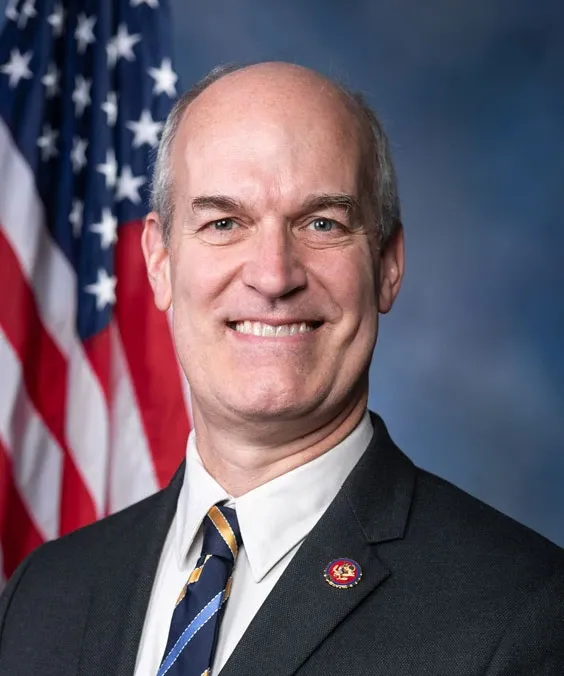
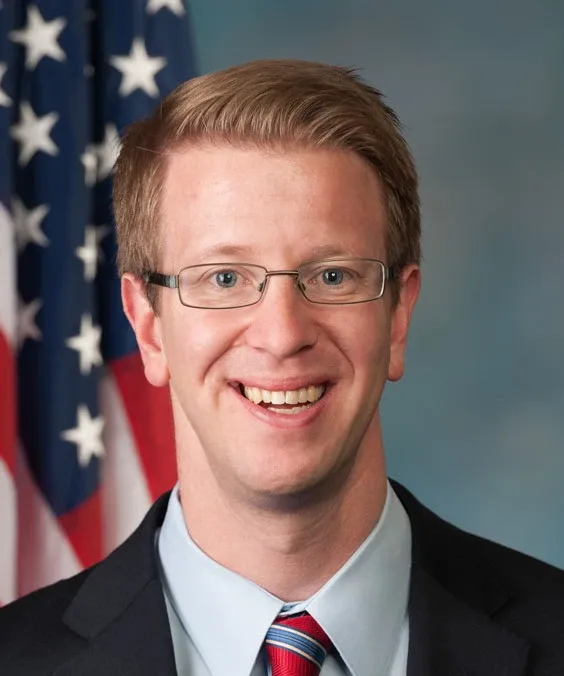
Adam Smith is a U.S. Representative for Washington's 9th congressional district, serving since 1997. A member of the Democratic Party, he has focused on various legislative efforts, particularly in defense and foreign policy. Throughout his tenure, Smith has been involved in key discussions and initiatives related to national security and military funding, reflecting his commitment to these issues. He has also been an advocate for progressive policies within his district and has worked on legislation addressing economic and social challenges faced by his constituents.
Moving forward, sequestration will continue to complicate how the Department of Defense plans and appropriates resources.
There are increasingly needs down there, in terms of military construction, as we fight the political battle back home.
It is making your primary mission of drug interdiction very difficult if you don't have the assets to do that.
I concur completely with the chairman. We do have to pay attention to our own hemisphere.
We thank you for your service and your great leadership in your three very important commands.
However, an emphasis on direct action during the last 11 years of combat may have left our Special Operations Forces out of balance for a future that will increasingly require building partnership capacity and advisory and assistance…
These operational necessities come as the military is being forced to shed force structure, curtail flying hours, and return ships to port.
Looking forward, our Special Operations Forces must remain flexible enough to counter the transnational terrorist threat with decisive force when warranted.
However, in my view, among the greatest strategic risks within the Middle East remains the ongoing ambiguity associated with U.S. commitment to our regional allies--and the region itself.
I don't think that is acceptable, it is not the number we should be at, and I think as a Congress we should not forget that we still have a very strong obligation to address revenue and to address mandatory spending.
I just want to make a quick editorial comment, then I just have one question.
I welcome our witnesses as well, General Mattis, Admiral McRaven, General Fraser.
I think there is a broadening international commitment to stopping what is going on there.
I completely support those. At the same time we have to recognize that so far they have not backed off on enriching plutonium beyond any plausible peaceful purpose.
I think, too, the recognition that Iran's role is extremely unhelpful is simply part of dealing with reality.
I would just clarify the chairman said sequestration. He doesn't mean the sequestration that we are dealing with here; he means the sequestration that is so going to disproportionately hit the Department of Defense.
Just reiterating the challenge of keeping people in such a highly skilled position as professional staff member on Armed Services in light of pay cuts and downsizing and the difficulty of that.
As it stands today, our military strategy, the defense budget, the DOD policy, and the threats around the world are mismatched.
I couldn't have asked for a better question about trying to find quality people.
We hope that you would credit the committee's budget with any savings that accrue.
If we reauthorize that, that will be the first time in 3 years. It is a $17 billion reauthorization.
Why would we believe we can trust Vladimir Putin to honor new arms control agreements, when he has shown a consistent willingness to violate current arms control agreements?
Politicians like Adam Smith