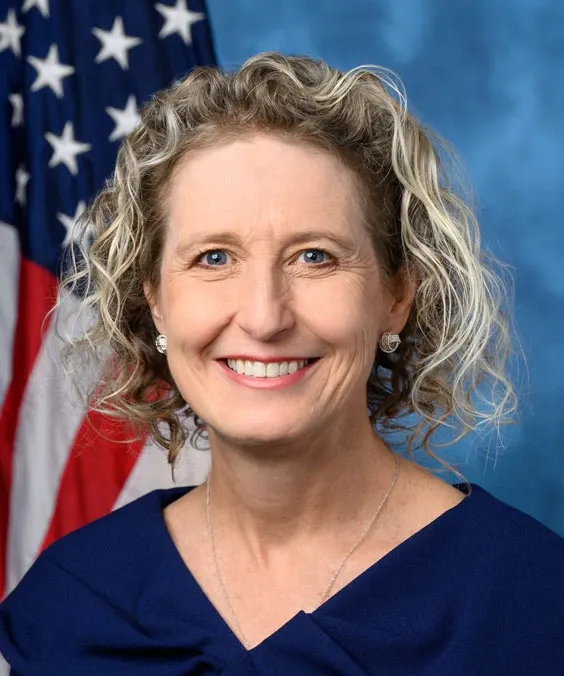
Rob Wittman
The Public Record
Rob Wittman is a U.S. Representative for Virginia's 1st congressional district, having served since January 9, 2007. A member of the Republican Party, Wittman has focused on issues such as military readiness, veterans' affairs, and environmental protection. He has been an advocate for the Chesapeake Bay and has worked on legislation aimed at improving the health of the bay and its surrounding ecosystems.
Feb 24, 2015
I think that is the key to make sure that the overlap is there so as Nimitz retires and the CVN-79 comes on board, we don't good through the situation we were with Ford and Enterprise, to make sure we don't have a gap there.
Feb 24, 2015
What we can know for certain is how he has responded without us providing weapons and that hasn't gone very well.
Feb 10, 2015
I think that is why the questions about the assumptions that they make about needed capacity and whether that aligns with the strategies is such a critical question.
Feb 10, 2015
If you get rid of base structure you will never get it back in that configuration.
Feb 10, 2015
I think one of the concerns is that in haste to be able to save money we look at the short term.
Feb 10, 2015
It is unconscionable to require these services to continue to spend money on facilities they don't need while the budget caps require them to cut end strength, training, readiness, which puts American troops at unneeded risk.
Dec 3, 2014
We strongly believe that the commercial industry should remain under the oversight of the Council.
Dec 3, 2014
I hope my testimony today has helped the committee better understand the challenges facing this fishery and how we might resolve them in ways that respect all stakeholder needs.
Dec 3, 2014
Both of these bills would allow everyone to truly benefit from the recovery of red snapper.
Nov 12, 2014
To continue these releases just as we have had to open a new front in the war on terror is unwise.
Nov 12, 2014
I will not support sending our military into harm's way with their arms tied behind their backs.
Sep 17, 2014
We have got to be smart about how we build local support to confront ISIL, but make no mistake about it, they are a threat.
Sep 17, 2014
Now we have a new Iraqi Government that is at least trying, initially, a power-sharing arrangement that can bring some of the Sunnis in.
Sep 17, 2014
We have seen the Kurds, who were a broken force until we showed up, provided some arms and trained them, and they have now turned the tide.
Sep 17, 2014
That is why I think the train-and-equip mission makes so much sense, and it was a bit frustrating yesterday to listen to people who are concerned about it.
Sep 17, 2014
To win this fight, we have got to find partners, Muslim partners--in the case of ISIL, preferably Sunni partners--to work with to fight them.
Sep 17, 2014
The strongest argument that Al Qaeda and ISIL have to present to the people they want to join them is that they are protecting Islam against Western aggression.
Sep 17, 2014
This threat exists, and we have to confront it, and every time a decision comes up, I really think a lot of the opposition is we just don't want to have to deal with it.
Jul 22, 2014
I believe it is an excellent step in the right direction to expand and improve the refuge system.
Jul 22, 2014
This legislation would require Congress to authorize any expansion of a national wildlife refuge, doing away with a century of conservation precedent.
Politicians like Rob Wittman