Jul 23, 2013
I think the fact that the regulatory environment seems to be still in creation is a part of the challenge that many business owners face today as it relates to the ACA.
The Public Record
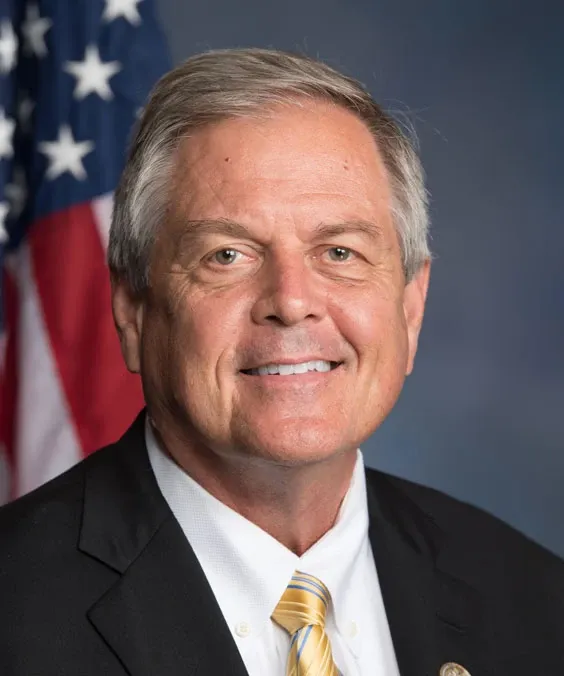
Tim Eugene Scott is an American politician and businessman currently serving as the junior United States senator from South Carolina, a position he has held since January 2, 2013. He is a member of the Republican Party and was previously a United States Representative from May 5, 2011, to January 2, 2013. Scott is known for his focus on issues such as economic opportunity, education reform, and community development. He has been a vocal advocate for updating infrastructure and addressing the needs of senior citizens in his state.
I think the fact that the regulatory environment seems to be still in creation is a part of the challenge that many business owners face today as it relates to the ACA.
The number of insurers available in states are becoming fewer insurers are available in states, not more
We, on our side, are believing that this matter is a catastrophic failure and becoming more so every day.
The inability to understand what has not yet been filled in on the pages of the regulations, perhaps, provides a great opportunity for discontentment.
What about small businesses in America? They want relief, too, and that is one of the reasons why I asked to have this hearing.
The President's Executive Order implementing a new national ocean policy gives NOAA responsibility for over 130 items without any specificity.
I would love for you to come down to South Carolina and take a look off the coast so you can have an appreciation for the reality that we, at least at home, believe that we need more sound science to show the reality of the oceans.
We hope to have the opportunity, if you are confirmed, to work with you on what we would define as a Federal overreach.
I would love to have your comment on how to go about building a policy that creates clarity.
Because of the jobs are a part of the incentive, but the salient point is that because of the moratorium it is impossible for us to have a conversation about revenue sharing.
When President Obama became President the entire Atlantic was available for energy production. But since he's been President almost 85 percent of America's offshore energy resources are under a moratorium, including the Atlantic.
Without question I think the opportunity to provide financial incentives to the States to get involved in this project would be very important.
While revenue sharing is important, we need access to new areas to lease for the promise of new revenues to be meaningful to those of us in the Atlantic OCS.
Unfortunately it seems like unless we do it legislatively, the Atlantic may never be included in the next 5-year plan.
I think the incentives that we already see for the potential revenues and the jobs that would be created are obviously there already.
I think it would only be appropriate and fair if the Atlantic States got the same 37.
I certainly see your point. I was just saying that the generic classification of employers, generically speaking, as spies, harassing, and threatening creates an environment or a culture that seems to be inconsistent with most of the…
Our focus ought not to be on cutting that rung off so fewer people can get on the ladder.
One-third of all my seniors in Florida, that is it for their income, is their Social Security check.
Wireless carriers, as a result of government policy, for the most part, have a very difficult time going into rural areas and providing the kind of high speed service. They've got to compete against companies that are subsidized, et…
Politicians like Tim Scott