Apr 22, 2015
If we do not appreciate and understand the absolute impact of paying a tax on gross revenues that then has to be translated out of the net profit, we do not necessarily understand the economic impact.
The Public Record
Tim Eugene Scott is an American politician and businessman currently serving as the junior United States senator from South Carolina, a position he has held since January 2, 2013. He is a member of the Republican Party and was previously a United States Representative from May 5, 2011, to January 2, 2013. Scott is known for his focus on issues such as economic opportunity, education reform, and community development. He has been a vocal advocate for updating infrastructure and addressing the needs of senior citizens in his state.
If we do not appreciate and understand the absolute impact of paying a tax on gross revenues that then has to be translated out of the net profit, we do not necessarily understand the economic impact.
I think we should make this about what it really is about: two people who are alive, who are experiencing a higher quality of life.
If you cannot use it for R&D, the chances are innovation at the highest level will probably not happen.
We want it to be a management tool for actually achieving efficiency, helping with the management structure.
It certainly has some, as Senator Brown talked about, the necessity of trying to find a way to use the Federal Government's programs to improve and incent folks to do local hiring.
But, just following up on Senator Brown's questions, this relates to Buy America and the President's proposal to move over the next 5 years incrementally to 100 percent.
That just seems like a perverse incentive that is counterproductive, or merely charging one State and moving jobs to another State.
There is no doubt that the process that we would go through to achieve new agreements would require Congress's final authority, final approval.
The executive branch, for the last few years from my perspective, has really undermined the authority of Congress
Thank you, Secretary Lew, Secretary Vilsack, and Ambassador Froman, for investing so much time on what is a very important issue.
I do not see any reason why President Obama's Trade Representatives would not use the trade agreements as an opportunity to negotiate otherwise unpopular regulatory changes
Does Congress not deserve a chance to review whether certain laws and regulations should be negotiated?
It appears our rush toward the one-size-fits-all for a State like South Carolina... would restrict access to capital.
It is as if we prevent minorities from getting mortgages because of Dodd-Frank.
It appears to me that we are really heading in the exact opposite direction, where one size fits all.
The pace of that progress is being limited by the amount of research that we can support.
It is amazing the impact that the disease has not only on the patient but on the family and on the loved ones.
I cannot think of anyone here on this panel who has not been impacted personally by Alzheimer's.
I will say that the--and I oftentimes receive disclosures in the mail from a number of the companies that I have invested in.
I think Regions, in particular, talked about how their regulatory burden from a cost perspective is around $200 million.
Thank you also for holding this hearing today and talking about the number of bills that we have that could be very important to the investors and, frankly, to building a healthier economy long-term in our country.
The SIFI threshold is too low, it appears, and we are making regional banks act like and think like and hire like it is a G-SIB.
The Basel and Dodd-Frank standards that come with the SIFI designation is like a tax on labor and capital.
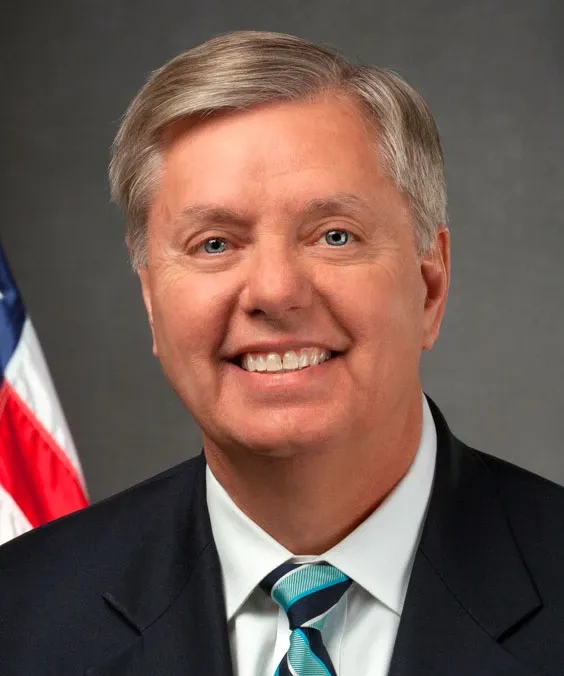
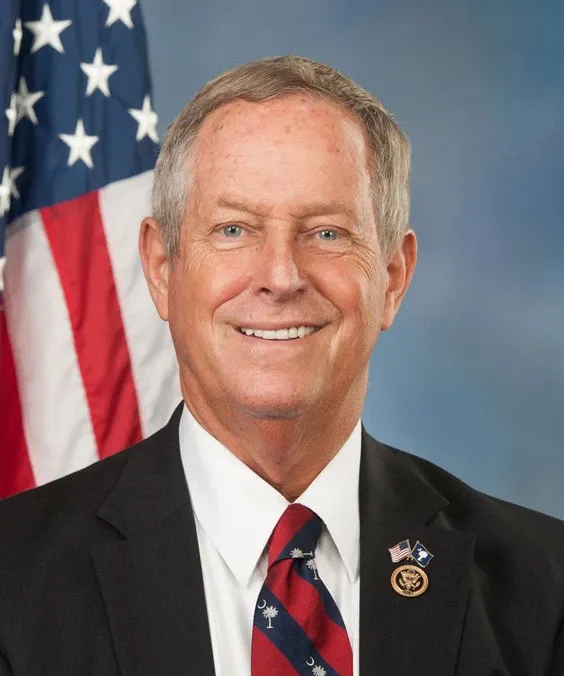
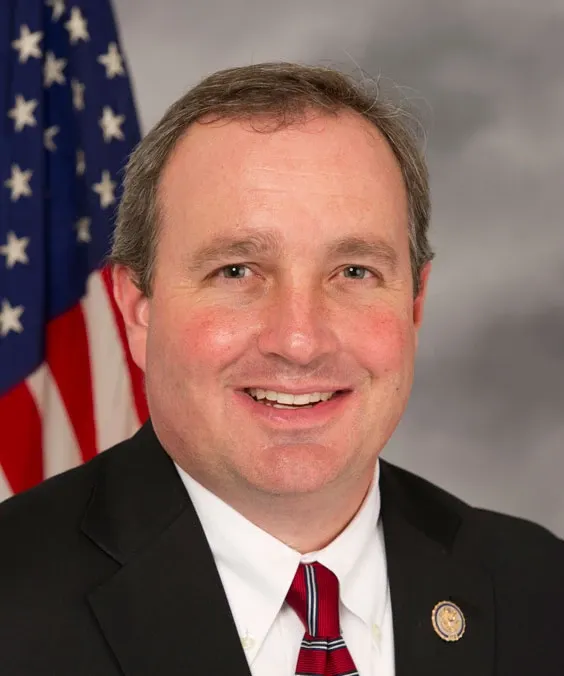
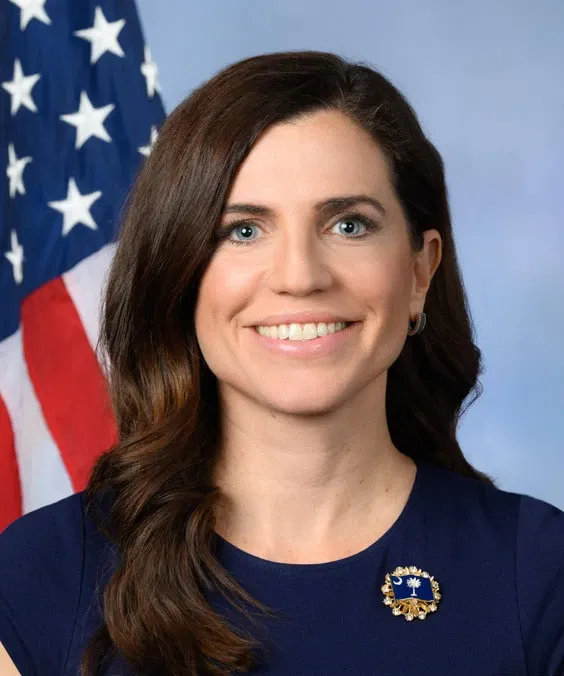
Politicians like Tim Scott