Oct 12, 2011
What is this Administration's economic strategy for Afghanistan, which, under the law, it was required to present to this Congress before you were sworn in back in June. We are still waiting on it.
The Public Record
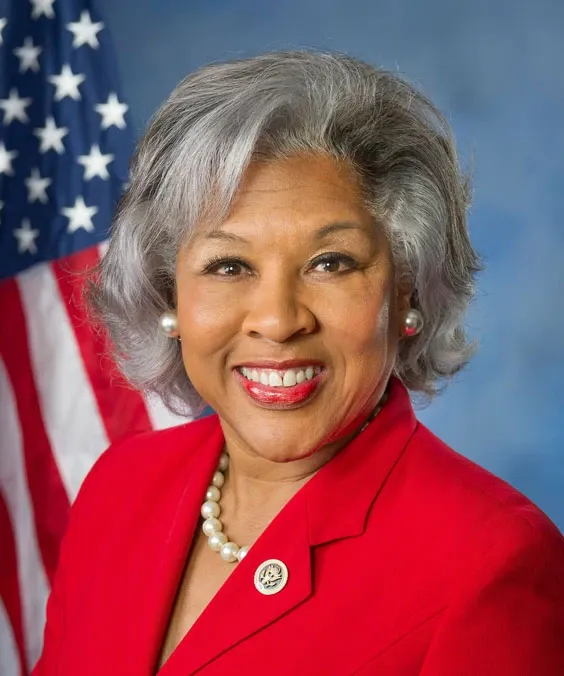
Tim Ryan is a Democratic politician from Ohio, known for his service as a U.S. Representative. He has represented Ohio's 13th congressional district since 2003, focusing on issues such as job creation, education, and healthcare. Ryan has been an advocate for manufacturing and has worked to support the middle class in his district. He has also been involved in various initiatives aimed at addressing the opioid crisis in Ohio. In 2020, he ran for the Democratic nomination for President, emphasizing a message of unity and economic opportunity.
What is this Administration's economic strategy for Afghanistan, which, under the law, it was required to present to this Congress before you were sworn in back in June. We are still waiting on it.
It is critical that we have this money that we are spending, the billions of dollars invested back into our country.
I believe that we can rationally evaluate our national security strategy, our defense expenditures, and the current mission sets we ask the military to undertake and come up with a strategy that requires less funding.
I have been incredibly encouraged, more so than any HASC hearing I have attended thus far during my first term here because you discussed, in a very direct way, the need to assess risk, to accept risk, to articulate precisely which risks…
What is this doctrine that justifies a massive ground presence in Afghanistan? How do we measure success in that theater in particular?
Large, immediate, across-the-board cuts to the defense budget, which would occur under sequestration, would do serious damage to our national security.
I thank the gentleman. These are the same promises that we heard during NAFTA and during the Most Favored Nation trade status debate with China. We hear a lot of statistics about job creation. We don't need statistics. Come to Ohio. Go to…
It is also important that we address the revenue side of our budget problem. We must consider raising additional revenue.
Large, immediate cuts to the defense budget would have substantially negative impacts on the ability of the U.S. military to carry out its missions.
Large, immediate, across-the-board cuts to the defense budget, which would occur under sequestration, would do serious damage to our national security.
In order to avoid drastic cuts to our military and other important programs, revenue streams must be enhanced.
Politicians like Tim Ryan