Apr 2, 2019
The proposed rule would shift the burden of providing food from the Federal Government on to cities, states, and local charities.
The Public Record
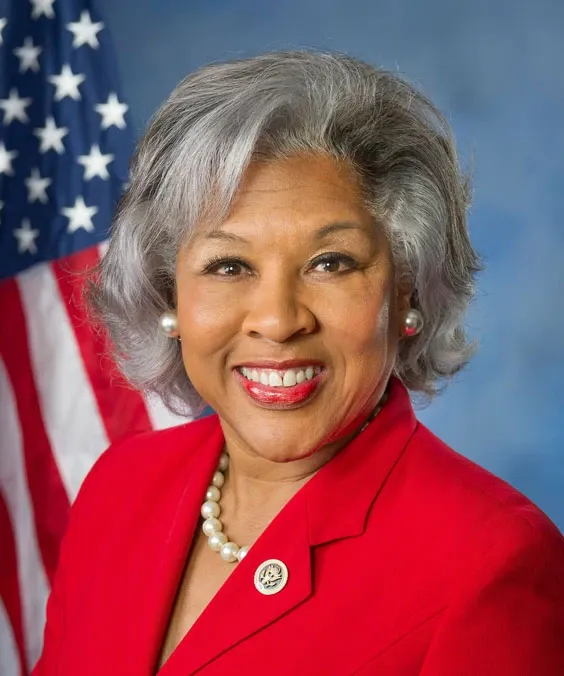
Marcia Louise Fudge is an American politician serving as the U.S. Representative for Ohio's 11th congressional district since 2008. A member of the Democratic Party, she has focused on issues related to housing, urban development, and social justice throughout her career. Fudge was appointed as the Secretary of Housing and Urban Development in March 2021, where she has continued to advocate for affordable housing and support for vulnerable populations, including seniors and the homeless. Her legislative efforts often emphasize the importance of prioritizing the needs of the most disadvantaged in society.
The proposed rule would shift the burden of providing food from the Federal Government on to cities, states, and local charities.
Harsh and arbitrary time limits are misguided and only increase hunger and hardship.
We hope that we can work together to stop these harmful policies from taking effect.
Most importantly, the rule sidesteps the will of Congress, which rejected these changes when it enacted the 2018 Farm Bill.
It's time we call this what it is: a rush to accomplish a conservative political wish-list.
People want a hand up, not a hand out, and it is insulting to suggest otherwise.
There is no dignity in taking food away from the poorest and most vulnerable of our citizens.
Well Mr. Secretary, I disagree. The goal of improving lives is mutual--his methods are harsh, arbitrary and mean.
Our job is to do the most for those who have the least. Let's just follow the law.
This proposed rule is nothing more than another attempt by the GOP and the Trump Administration to reintroduce the thoughtless House Republican SNAP provisions that were rejected in the 2018 Farm Bill.
A low unemployment rate does not erase the existence of significant barriers to unemployment in our nation's poorest communities.
It is time we call this what it is: a rush to accomplish a conservative political wish-list.
The proposal also tells me the Administration foolishly assumes everybody has the same access to resources needed to escape the cycle of poverty.
People want a hand up, not a hand out, and it is insulting to suggest otherwise.
It is dishonest and immoral for anyone to assume or suggest that poor people do not want to work.
The goal of improving lives is mutual. Your methods, though, are harsh, arbitrary, and mean.
I would just say that we find ourselves in a position that in this country, the more things change, the more they stay the same.
Surely, if we can give $1-1/2 trillion in tax cuts to the wealthiest people in this country, surely we should be able to help you.
Surely, if we can provide $13 billion to farmers because of the President's bad losing trade war with China, we can help you.
Politicians like Marcia Fudge