May 7, 1886
The policy of frequently reversing by special enactment the decisions of the Bureau invested by law with the examination of pension claims is exceedingly questionable.
The Public Record
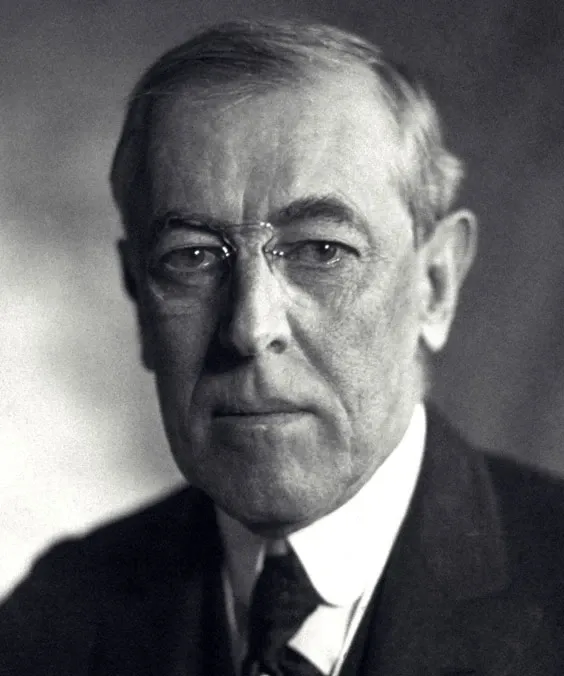
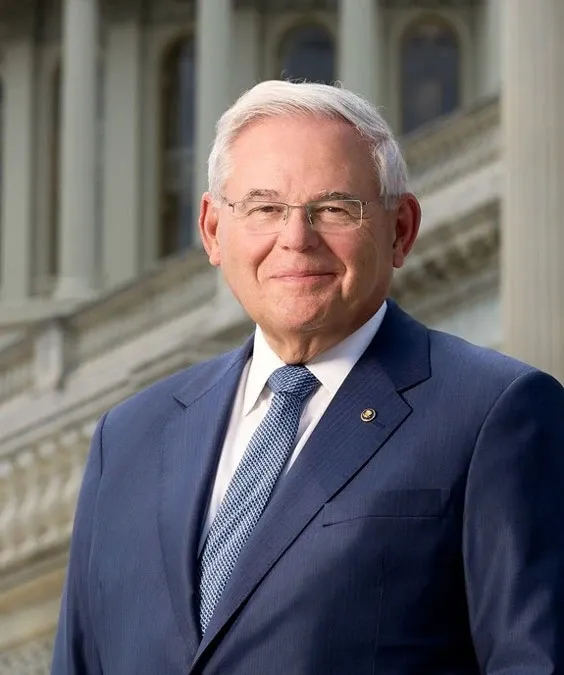
Grover Cleveland was the 22nd and 24th President of the United States, serving two non-consecutive terms from 1885 to 1889 and again from 1893 to 1897. A member of the Democratic Party, he was born in New Jersey and is known for his commitment to honesty and integrity in government. Cleveland's presidency was marked by his opposition to high tariffs and his efforts to reform the civil service system, which earned him a reputation as a champion of the common man.
The policy of frequently reversing by special enactment the decisions of the Bureau invested by law with the examination of pension claims is exceedingly questionable.
These bills I have approved on the assumption that the claims were meritorious and that by the passage of the bills the Government has waived full proof of the facts.
I return without my approval House bill No. 1471, entitled 'An act increasing the pension of Andrew J. Hill.'
It must be admitted that in some cases justice and equity can not be done nor the charitable tendencies of the Government in favor of worthy objects of its care indulged under fixed rules.
I am convinced that the interposition by special enactment in the granting of pensions should be rare and exceptional.
It is hereby ordered that the following-described lands in the Territory of Idaho be, and the same are hereby, withdrawn from sale and settlement.
In the absence of such officers the proposed legislation would be nugatory and inoperative.
If the design of this bill is to restore to the city named the privileges permitted by the law of 1880, it seems to be entirely unnecessary.
But instead of exacting the bond from the medical colleges, such bond is required of 'every physician or surgeon before receiving such dead body.'
The measure under consideration does not with sufficient care specify and limit the officers and the parties who it is proposed to invest with discretion in the disposition of dead bodies.
The laws by which it is permitted should, in deference to a decent and universal sentiment, carefully guard against abuse and needless offense.
I herewith return Senate bill No. 349, entitled 'An act for the promotion of anatomical science and to prevent the desecration of graves,' without my approval.
It is hereby ordered that the following-described tract of country in the Territory of New Mexico, viz, all those portions of townships 29 north, ranges 14, 15, and 16 west of the New Mexico principal meridian, south of the San Juan River…
I am constrained to recommend to Congress legislation upon this serious and pressing subject.
The present condition of the relations between labor and capital is far from satisfactory.
A commission thus organized would have the advantage of being a stable body.
The establishment by Federal authority of such a bureau would be a just and sensible recognition of the value of labor and of its right to be represented in the departments of the Government.
The laboring man may well insist, with manly courage and as a right, upon the same recognition from those who make our laws as is accorded to any other citizen.
I am satisfied, however, that something may be done under Federal authority to prevent the disturbances which so often arise from disputes between employers and the employed.
If such a commission were fairly organized, the risk of a loss of popular support and sympathy resulting from a refusal to submit to so peaceful an instrumentality would constrain both parties to such disputes to invoke its interference…
Under our form of government the value of labor as an element of national prosperity should be distinctly recognized.
To the House of Representatives: I transmit herewith a report of the Secretary of State on the manufacture of milk sugar in Switzerland.
I transmit herewith the report of the Secretary of State on the subject.
But any person who has for three years last preceding served as a clerk in the office of the President of the United States may be transferred or appointed to any place in the classified service without examination.
Politicians like Grover Cleveland