Jun 15, 2015
No matter how high the cost estimate may be, in my opinion there is no reason to oppose the new ozone rule.
The Public Record
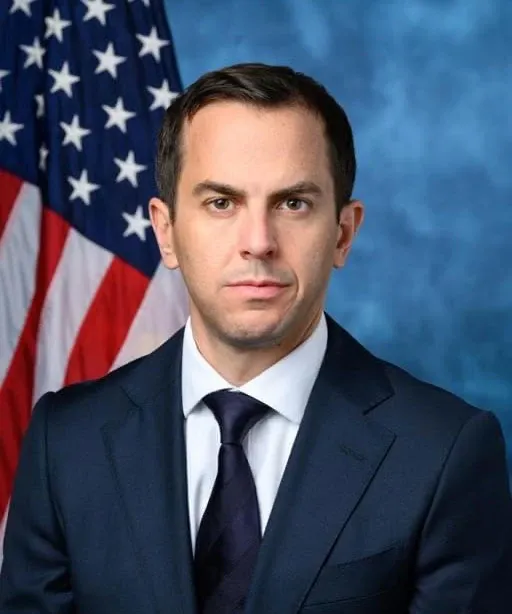
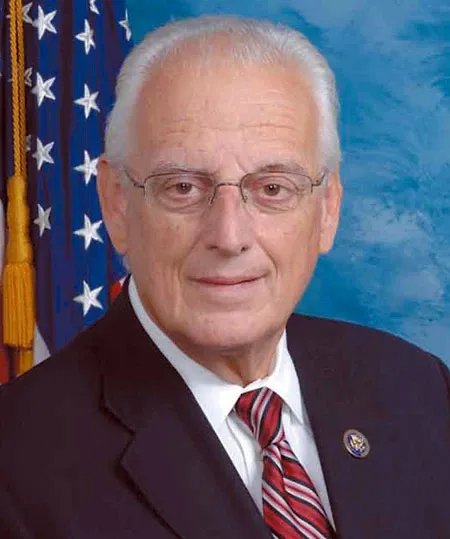
Frank Joseph Pallone is an American politician serving as the U.S. Representative for New Jersey's 6th congressional district since 1993. A member of the Democratic Party, Pallone has been a prominent advocate for health care reform, environmental protection, and consumer rights. He has played a key role in shaping legislation related to public health and climate change, often speaking out against policies he views as detrimental to these areas.
No matter how high the cost estimate may be, in my opinion there is no reason to oppose the new ozone rule.
Since the beginning of the Clean Air Act, polluters have cried wolf every time EPA has passed a new rule to protect public health.
A unanimous Supreme Court opinion written by Justice Scalia made it clear that EPA's approach for determining a safe level of air pollution is correct and costs may not be considered.
Thank you, Chairman Walden and Ranking Member Eshoo, for holding this hearing today.
The current 75 parts-per-billion standard is weaker than the facts would allow.
I appreciate my colleague from Pennsylvania, Dr. Murphy's, endeavor to advance comprehensive mental health reform.
When we talk about air pollution regulation, my Republican colleagues often focus on cost, but they aren't talking about the cost from exposure to unsafe air.
How much is it going to cost to make WIPP fully operational again? And when do we expect that to happen? And what are we losing by shutting down WIPP for several years? How much is that going to cost the Department?
Nuclear Waste Partnership, the contractor that packed the drum, has not fully developed an integrated contractor assurance system.
On this committee, there has long been bipartisan support for congressional oversight to ensure that DOE is effectively managing its contractors and keeping the nuclear complex safe.
I mean, this concentration of cost, I think, has been misguided. Over the history of the Clean Air Act, industry has consistently exaggerated the potential cost of controlling pollution.
So I understand that the Clean Air Scientific Advisory Committee and EPA scientists recommended that the Agency strengthen the ozone standard from 75 parts per billion to a level within the range of 60 to 70.
Politicians like Frank Pallone