Jun 15, 2015
I want to add to it because, I think many of you know, or maybe you don't, that he was dealing and urging us to pass the Mental Health Parity Bill long before we even had it included in the ACA.
The Public Record
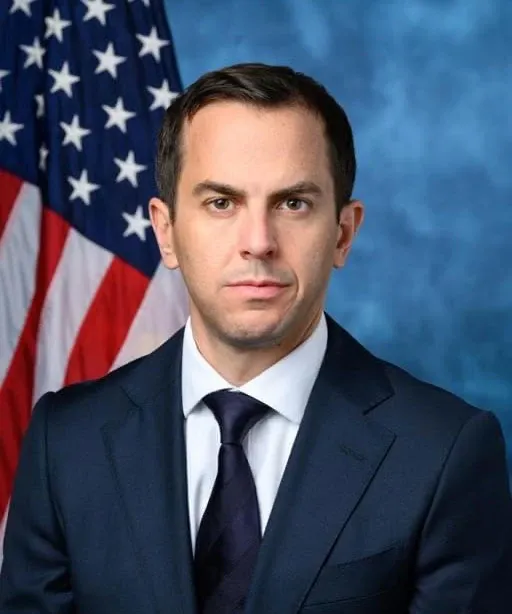
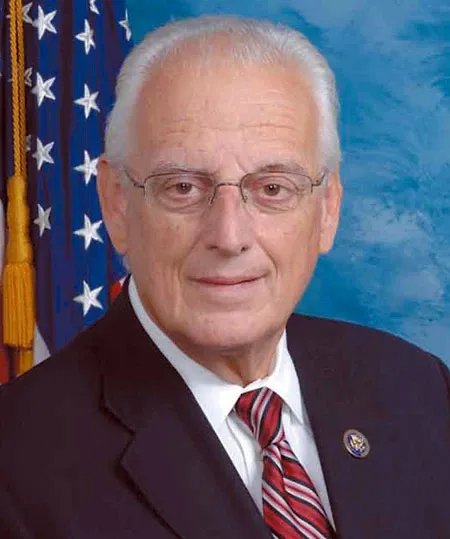
Frank Joseph Pallone is an American politician serving as the U.S. Representative for New Jersey's 6th congressional district since 1993. A member of the Democratic Party, Pallone has been a prominent advocate for health care reform, environmental protection, and consumer rights. He has played a key role in shaping legislation related to public health and climate change, often speaking out against policies he views as detrimental to these areas.
I want to add to it because, I think many of you know, or maybe you don't, that he was dealing and urging us to pass the Mental Health Parity Bill long before we even had it included in the ACA.
But we have heard all of these doomsday claims before, and throughout the history of the Clean Air Act, industry has made claims that cleaning up air pollution would impose huge costs and harm our economy.
the first Health Subcommittee hearing on mental health is once again a legislative hearing on the Helping Families in Mental Health Crisis Act.
Medicaid access is critical, and in that system in particular, people are leaving jails and prisons without the services they need.
During our hearing last week we heard some of my colleagues argue that EPA's proposed ozone standard will hurt the economy and that Americans have to choose between clean air and economic growth.
And so I think it is one thing to say, well, this is good for the economy, but for the first time ever, that is not proving to be the case.
But I don't think we can just throw under the rug this report that came out in April from the Global Market Institute of Goldman Sachs that point-blank says, in small businesses 500 employees and less, for the first time ever after an…
I thank Representative Murphy for putting this in front of us for discussion.
I am opposed to several provisions in the bill, including its changes to HIPAA that would weaken the privacy rights of individuals with diagnosed mental illness.
I have been such a supporter of making New Jersey's one of FirstNet's early builder projects.
EPA estimates these benefits would range from $13 to $38 billion annually, outweighing the cost by approximately 3 to 1.
The history of the Clean Air Act is one of exaggerated claims by industry that have never come true.
Politicians like Frank Pallone