Sep 9, 2026
That’s why we will continue pressing the Corps to do everything it can to conserve water and to reduce flows out of Garrison Dam as much as possible.
The Public Record
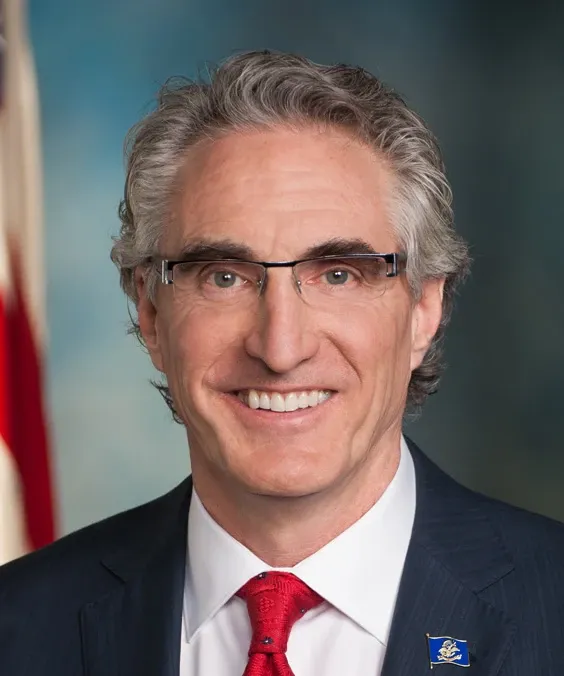
John Hoeven is an American politician serving as the junior United States senator from North Dakota since January 2011. A member of the Republican Party, he previously held the position of Governor of North Dakota from 2000 to 2010. During his tenure in the Senate, Hoeven has focused on issues such as agriculture, energy, and infrastructure, advocating for policies that support North Dakota's economy and rural communities.
That’s why we will continue pressing the Corps to do everything it can to conserve water and to reduce flows out of Garrison Dam as much as possible.
We depend on this water for irrigation, and low water levels create real challenges for accessing the lake.
Drought conditions are expected to continue throughout the fall and winter, and water levels in Lake Sakakawea will continue to decrease.
We recognize that the Corps has minimized flows going out of the upper Missouri Basin, but more needs to be done.
That's why I've worked since my time as governor to ensure the EPA approves the state's haze mitigation plan, while pushing back on one-size-fits-all rules that were imposed on our coal producers under the Obama and Biden administrations.
This is tremendous news for our coal industry in North Dakota, which has consistently achieved its air quality targets without the need for costly, burdensome federal rules.
That means cutting red tape and ensuring federal rules work for our trainers, shippers, truckers and actually help us meet this critical workforce need in North Dakota.
We need to empower programs like TrainND and NDSCS to train more truck drivers and meet the demand for qualified CDL operators so our farmers, ranchers, energy producers and manufacturers can get their goods to market.
Training our own commercial drivers is essential to North Dakota’s agriculture and energy economy.
We already have counter-UAS work underway with the Point Defense Battle Lab and Project ULTRA, and we have even more developments in the works with UND, JIATF 401 and others, so we’re well-equipped to meet this critical defense need for…
Today’s event was an opportunity to showcase the exciting and innovative work being done by the Grand Forks Air Force Base, GrandSKY, UND and their partners.
For those that want to develop drone and counter-drone technologies, North Dakota is the place to be.
At the same time, we’ve worked closely with the Trump administration to reduce the regulatory burden for our energy producers, including our coal industry.
At the same time, we continue working to ensure North Dakota communities have the federal support they need before, during and after disasters.
We also need to keep the South Bismarck Flood Control Project moving forward so construction can begin next year, providing better flood protection while minimizing the burden of flood insurance on residents.
We’re working to advance BRIC-funded infrastructure projects in Fessenden, Lincoln and Washburn, as well as the University of Mary’s wastewater improvement project.
We appreciate Acting Regional Administrator Fox and her team being in North Dakota, as well as her ongoing efforts with us to advance $75 million in key infrastructure projects for the Bismarck area and communities across our state.
At the same time, the crop loss program being administered by the FM Diversion Authority will help meet producers’ needs in the short term when high water levels resulting from the diversion’s operations damage their crops or prevent them…
We are developing new capabilities more quickly and at a lower cost to ensure we have the absolute best UAS tech and can meet emerging threats from our adversaries, including Iran and Russia.
Just like with Project ULTRA and the Point Defense Battle Lab, this is an innovative approach to military technology development.
T-REX exemplifies North Dakota’s leadership in drone and counter-drone, clearly demonstrating that our state has the capabilities needed to rapidly develop, test and evaluate these technologies to improve military readiness and give our…
Not only have we secured MCOOL and better prairie dog management, which have been longstanding goals for our ranchers, but we continue to support our ag researchers as they develop the latest, greatest methods for improving the quality and…
That’s why we’re focused on making sure federal conservation programs are voluntary and farmer-friendly.
North Dakota’s farmers and ranchers know their land and water better than anyone, and their stewardship of these resources is second to none.
Importantly, the bill limits what schools can pay student-athletes, while also protecting the students against fraud and ensuring they retain control over the use of their name, image and likeness.
Politicians like John Hoeven