Apr 21, 2009
Every military leader bears responsibility for addressing (the stigma associated with seeking mental health care); leaders who fail to do so reduce the effectiveness of the servicemembers they lead.
The Public Record
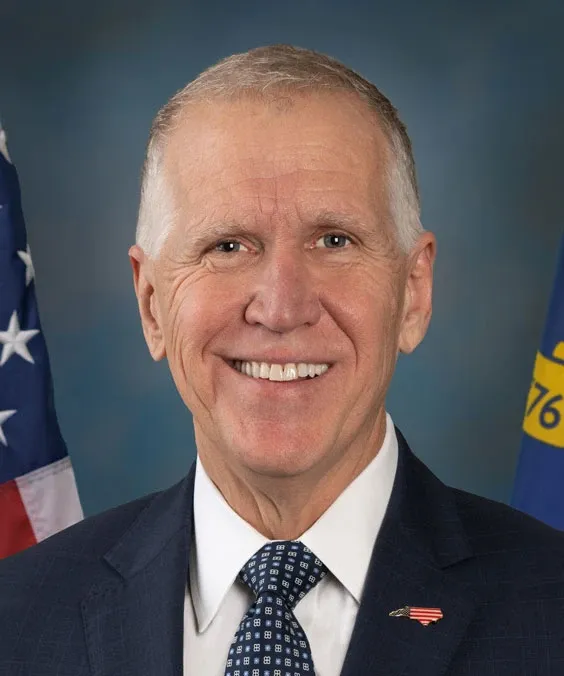
Richard Burr is an American politician serving as the senior United States senator from North Carolina since 2005. A member of the Republican Party, Burr has focused on issues such as veterans' health care and the relationship between the Department of Veterans Affairs and academic institutions. Throughout his tenure, he has been involved in various legislative efforts aimed at improving services for veterans and enhancing the efficiency of government programs.
Every military leader bears responsibility for addressing (the stigma associated with seeking mental health care); leaders who fail to do so reduce the effectiveness of the servicemembers they lead.
In the first quarter of fiscal year 2009, nearly 52 percent of the Army Guard and Reserve were in dental readiness class III or IV, and thus technically nondeployable.
General Chiarelli, can you describe what steps the Army is taking to address this shortfall through the Captain's Incentive Program, as well as any other relevant efforts?
Given the current plan, do you believe the marines stationed on Guam will be able to fulfill the full range of training requirements?
What is being done to ensure that Guam has adequate resources to make the necessary infrastructure improvements to its port and roads to support the buildup of marines and other U.S. forces?
What is your level of confidence that the move to Guam can be completed on schedule?
What is the status of crucial decisions, such as the environmental assessment needed to build an airfield for the marines to replace the existing runway at MCAS Futenma on Okinawa, and funding by Japan to support this move?
General Amos and General Chiarelli, what do your Services gain from this increase in terms of skills and capabilities, units, and increased dwell time between deployments?
Secretary Gates strongly endorsed increasing the Army and Marine Corps end strength during his discussion of priorities for the fiscal year 2010 budget.
In order to provide the maximum protection for our forces, the Marine Corps requested and Congress provided extensive funding for Mine Resistant Ambush Protected (MRAP) vehicles.
The risk is significant. We have not had sufficient time, equipment, and continuity of personnel to fully train to some of our critical Marine Corps core competencies.
General Amos, Marine Corps unit readiness has normally been rated in terms of the ability of units to perform full-spectrum combat operations in a high intensity conflict.
Do you have the right types of equipment and in sufficient quantities to fully equip our forces for success in Afghanistan?
The increase in ground forces in Afghanistan announced last month by President Obama falls heavily on the Marine Corps.
Do you foresee any risk or the possibility of an inability of the Army to provide adequate body armor to deploying forces?
General Chiarelli, are you concerned that a one-size-fits-all approach to equipping our soldiers doesn't take into account the drastically different environments our soldiers face in a country like Afghanistan?
General Chiarelli, how does the Army weigh the tradeoffs between the need for greater protection and the need for greater mobility?
General Chiarelli, how does the Army assess risk when fielding new technology, specifically body armor?
The President's made it clear that this is the last emergency supplemental, this is the last war funding outside of the normal budget process.
Is it safe for us to assume, General, that any delay by Congress in approving this supplemental would have an impact on deployment?
I think clearly this article alluded to the fact that the force size would be much smaller, but it would be repeated visits.
I think one of the things that the chairman and I strongly are concerned with is, as you have this tremendous plus-up of U.S. presence, the requirements then on the resupply side are significantly more than what they currently are.
Politicians like Richard Burr