May 9, 2023
Mr. Rouzer's bill, H.R. 524, would restore reason to the process of how we maintain and restore beaches.
The Public Record
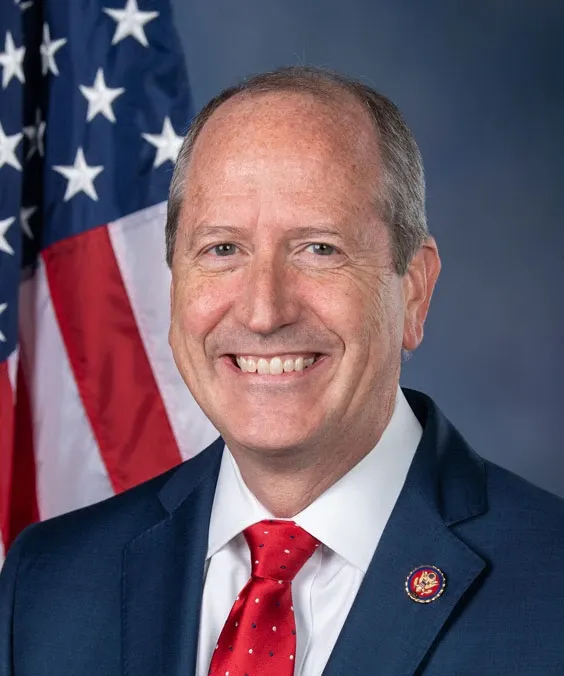
David Cheston Rouzer is an American politician serving as the U.S. Representative for North Carolina's 7th congressional district since January 3, 2014. A member of the Republican Party, Rouzer has focused on issues such as agriculture, veterans' affairs, and economic development during his time in office. He has been active in promoting policies that support the agricultural sector, which is vital to North Carolina's economy. Rouzer has also served on various committees, contributing to legislative discussions on a range of topics affecting his constituents.
Mr. Rouzer's bill, H.R. 524, would restore reason to the process of how we maintain and restore beaches.
Congressman Rouzer's H.R. 524 proposes that certain borrow sites be exempted if these sites have been used by a coastal storm risk management program for more than 15 years.
The return on the Federal dollar spent is significantly higher than many projects that you continue to fund.
Congressman David Rouzer has introduced H.R. 524, which would exempt inlet borrow sources that were used to support beach nourishment projects for at least 15 years from CBRA.
My experience is Congress either over-prescribes or under-prescribes. It is kind of hard to get it right.
Congressman David Rouzer has introduced H.R. 524, which would restore the exemption from CBRA inlet borrow sources.
May I inquire as to how much time is remaining? The Acting CHAIR. The gentleman from North Carolina has 8 minutes remaining. The gentleman from Washington has 7\1/2\ minutes remaining.
Congressman David Rouzer has introduced H.R. 524, which would exempt from CBRA inlet borrow sources that were used to support beach nourishment projects for at least 15 years.
Congressman David Rouzer has introduced H.R. 524, which would exempt from CBRA inlet borrow sources that were used to support beach nourishment projects for at least 15 years.
Congressman David Rouzer has introduced H.R. 524, which would exempt from CBRA inlet borrow sources that were used to support beach nourishment projects for at least 15 years.
Congressman David Rouzer has introduced H.R. 524, which would exempt from CBRA inlet borrow sources that were used to support beach nourishment projects for at least 15 years.
I also ask unanimous consent that the record remain open for 15 days for any additional comments and information submitted by Members or witnesses.
I would like to thank each of the witnesses for your testimony--very good testimony, I might add.
I just want to make sure you are aware. Any question that was asked of you where you want to add to your answer, you certainly have that opportunity to do so in writing.
They have every right to be concerned about future investment in their farming operations and have to second-guess whether putting in place that conservation practice or building that structure or investing in that building is worth it if…
This new rule is not a complete solution to the water quality challenges facing the United States.
I have significant concerns with the final rule, and I would encourage Congress to direct the agencies to implement a durable and practical definition of WOTUS.
The final WOTUS rule could not have been announced at a more consequential time.
It is inopportune for the EPA and Corps to proceed with their third WOTUS revision in seven years.
Regulatory overreach--such as the latest WOTUS revision--poses the greatest threat to these efforts.
It makes sense for them to suspend implementation of their new rule until the Court reaches its decision.
Consequently, ARTBA supports the joint resolution introduced by Chairman Graves and Subcommittee Chairman Rouzer that would rescind the recent WOTUS rule and restore clarity to the federal permitting process for transportation construction…
ABC applauds the subcommittee for calling this important hearing to gather stakeholder perspectives.
The rule marks the third time in the past seven years the U.S. Environmental Protection Agency (EPA) and Army Corps of Engineers (Corps) have redefined the federal jurisdiction of the Clean Water Act (CWA).
Politicians like David Rouzer