Mar 12, 2013
We are going through a process here where we are addressing a problem that is increasingly recognized as a problem for our country.
The Public Record
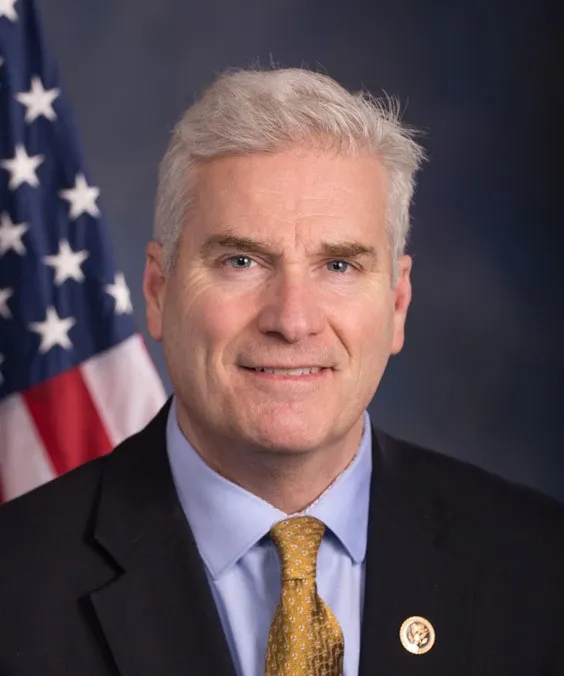
John Kline is a former Republican member of the United States House of Representatives, representing Minnesota's 2nd congressional district from 2003 to 2017. During his tenure, Kline served on several key committees, including the Education and the Workforce Committee, where he focused on education reform and workforce development. He was known for his advocacy of school choice and efforts to reduce federal involvement in education. Kline also played a role in military and veterans' affairs, having served in the U.S. Marine Corps prior to his political career.
We are going through a process here where we are addressing a problem that is increasingly recognized as a problem for our country.
We have a moral and economic obligation to ensure that all qualified students who want to attend college can afford to go.
While my Republican colleagues and I continue to support the basic principles of competition and transparency to help encourage lower costs in higher education, we remain concerned that such policies could lead to federal price controls…
Congress has a responsibility to explore ways we can strengthen and streamline federal student aid programs.
But we need to move away from a system that allows Washington politicians to use student loan interest rates as bargaining chips, creating uncertainty and confusion for borrowers.
We would use this time to work toward a long-term solution that better aligns interest rates with the free market.
We need to move away from a system that allows Washington politicians to use student loan interest rates as bargaining chips, creating uncertainty and confusion for borrowers.
No one wants to see student loan interest rates increase, particularly as young people continue to struggle with high un- and underemployment.
I hope the committee takes these important activities into account as they determine our budget.
Don't punish the good actors. Don't punish the good stewards of taxpayer dollars.
Any legislation that this committee endorses should provide a measure of flexibility.
Evaluations must be done frequently, with discretion, and with the input and corroboration of teachers.
We need to take a look at how teachers are being supported by their school boards and administrators.
Thank you for testifying at the February 27, 2013 hearing on 'Protecting Students and Teachers: A Discussion on School Safety.'
I propose we come together, just as the families are in every school district and community nationwide, to have a comprehensive discussion on school safety.
This is about students. Teachers. Families. Communities. This hearing is about learning what goes into protecting our schools and preventing violence.
The purpose of today's hearing is not to assign blame. This isn't about us. It isn't about a press release or a bill introduction or a media opportunity.
Two months have passed since the Sandy Hook Elementary School tragedy. Families across America continue to grieve with the Newtown community.
Politicians like John Kline