Sep 21, 2010
What are some of the lessons you learned as you took over this area in terms of what works and what does not work?
The Public Record
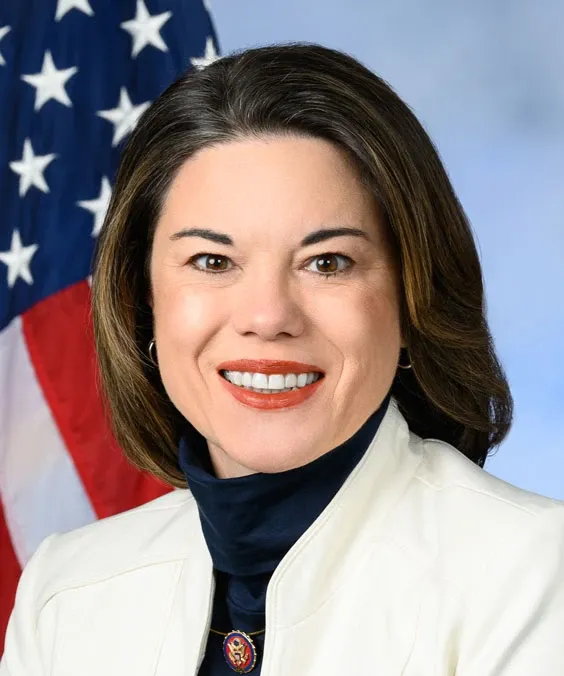
Amy Jean Klobuchar is an American politician serving as the senior United States senator from Minnesota since 2007. A member of the Democratic-Farmer-Labor Party, she has focused on issues such as healthcare, infrastructure, and technology during her tenure. Klobuchar has been recognized for her bipartisan efforts and has played a significant role in various legislative initiatives, including those aimed at improving access to healthcare and addressing climate change.
What are some of the lessons you learned as you took over this area in terms of what works and what does not work?
I will never forget that moment in the hearing. As we consider this nomination, I want to reflect on how far we have come. I see I have been joined by the dean of the women Senators, Senator Mikulski from Maryland. When Sandra Day O'Connor…
I truly believe that was a moment of leadership, where basically he said he had spent a lot of time in the last 2 years trying to elect a different person for President, but President Obama won and he respected his nominee and that his job…
I like how she took on some of these criticisms that have been lodged against Solicitor General Kagan. ... To say she does not have the gifts or the qualities of mind to be a Justice is nothing short of ridiculous.
What recourse and authority does the U.S. have when a country blocks a product for such a clearly fraudulent reason?
I do appreciate, as Senator Chambliss and others have mentioned, the work that you have done in reopening some of those markets.
My State is the seventh largest agriculture export State in the country, and in 2009, our farmers exported nearly a third of what they produced, which brought in $4.3 billion to our State.
Action is also needed on legislation to normalize financial relations with Cuba.
I was pleased with the President's commitment to double the value of U.S. exports under the National Export Initiative.
That kind of large birth cohort study, like the National Children's Study, I think is going to be an essential part of understanding the risk factors for the development of autism and ASD.
I think concerted studies of specific populations will give you valuable answers that could lead to mitigation of autism.
So if we could just write you a blank check right now, which sadly we can't, what would you most, if you could just conduct the research that you wanted to, in a big way, and I know there are limits on research, but if you could do that…
Genetics alone cannot account for the majority of autism cases currently being diagnosed.
So pro-inflammatory, is it kind of a hyper-immune system, or it reacts a lot?
I got an A in high school chemistry, but then I forgot everything the next week after the test.
So what has been your own journey in trying to follow the research and figure out what is going on?
I don't know if you have heard about it, but the diagnosis is 1 out of 28 of their children have autism.
I talked with these families in the Somalian community, we have a very large Somalian community in Minnesota.
So there is $29 million for research for neurodevelopmental work, and about a third of that is specifically for autism?
So what you are saying is, and I will let you answer this, too, Dr. Anastas, is that it is finding that there is a difference with the autoimmune systems.
I thought your comment at the end, Dr. Birnbaum, was something we all believe, that chemicals do affect children's development and their brain.
Thank you very much, and thank you for your kind words about my mom, who devoted herself to kids.
Sometimes when we are here in Washington, we don't realize that the abstract numbers... have very real implications in people's lives.
Politicians like Amy Klobuchar