Oct 30, 2017
We have talked about developing a long-term strategy to deal with the stamp sands issue.
The Public Record
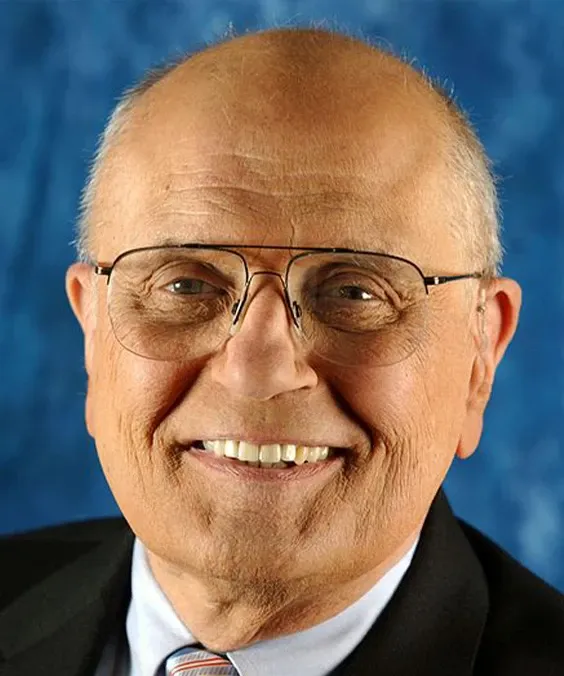
Gary Charles Peters is an American politician serving as the junior United States Senator from Michigan since January 6, 2015. A member of the Democratic Party, Peters previously represented Michigan's 14th congressional district in the U.S. House of Representatives from January 3, 2013, to January 6, 2015. Throughout his career, he has focused on issues such as economic development, healthcare, and education reform. Peters has been an advocate for bipartisan cooperation in Congress, emphasizing the need for compromise among lawmakers to address pressing national issues.
We have talked about developing a long-term strategy to deal with the stamp sands issue.
Well, I will do a follow-up question on whale hunting, which I found absolutely fascinating.
Could you describe the impact of having treaty-granted fishing rights and why it is important to protect these treaties for the future?
I have another letter as well from the Council of Lake Committees, which supports the stamp sands remediation.
Having the tribes here today to share more about stamp sands with us is a first step.
I am looking forward to taking a close look at Native American subsistence rights to make sure we continue to protect those rights under international treaties.
The big challenge is for America to take a leadership position in this and then call in other nations
Currently, the Magnuson-Stevens Act requires that all of these decisions are based on best science.
Thank you, Mr. Chairman, and thanks to our witnesses for being here this afternoon as we continue a series of hearings to discuss the important issue of reauthorizing the Magnuson-Stevens Act or MSA.
The ability of science to assist us in managing fisheries cannot be understated.
Making sure that we have sound science underpinning these decisions is absolutely critical.
This hearing, as was mentioned by the Chairman, marks the fourth hearing on MSA reauthorization.
Today, I am looking forward to the opportunity to hear about scientific advances that can help us improve management of Federal fisheries.
The undersigned scientists write to urge you to oppose H.R. 200 and any other legislative efforts that would weaken science-based management of U.S. marine fish populations.
The Federal Government has made the decision that this is an unacceptable risk position.
If the risk is there for the U.S. Government, is it not risky for the average citizen as well?
Would you concur that if a state actor, hypothetically a state actor, was behind an Equifax breach...would that be over any kind of line that you could see?
The number one national security threat we face as a country is the cyber threat.
Partially in response to criticism from Members of Congress about silly sounding research grants--we heard some examples of those here earlier today--the NSF issued guidance in 2013 to researchers on how to write titles and abstracts in a…
Politicians like Gary Peters