Feb 4, 2020
It seems as though the process is working, and the costs are significantly less.
The Public Record
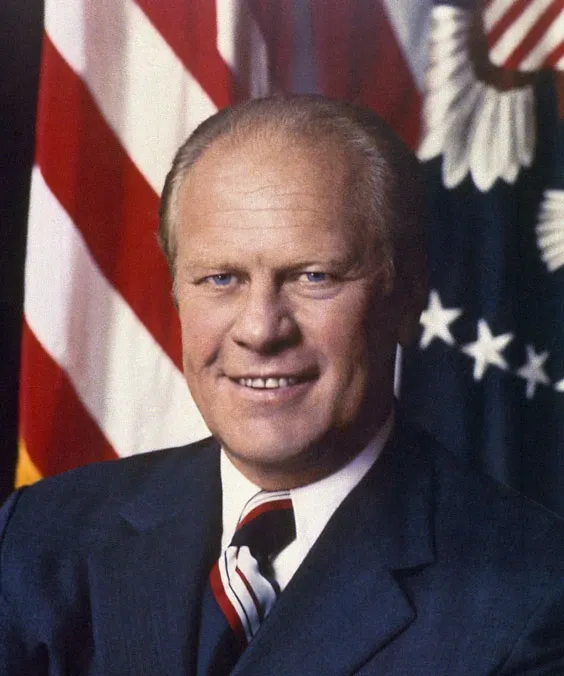
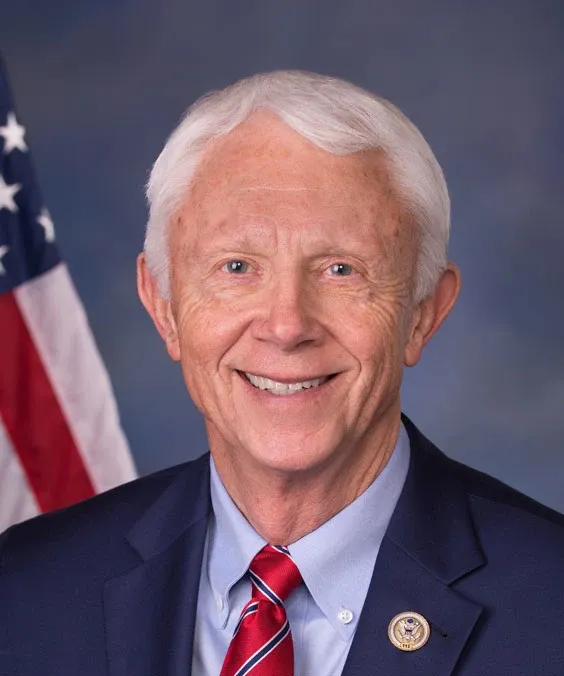
Fred Upton is a former U.S. Representative from Michigan, serving in the House of Representatives from 1987 to 2021. A member of the Republican Party, Upton represented Michigan's 6th congressional district. During his tenure, he was known for his work on issues related to healthcare, energy, and technology. He played a significant role in the passage of the Affordable Care Act's repeal and was involved in various bipartisan efforts, particularly in the areas of public health and environmental policy.
It seems as though the process is working, and the costs are significantly less.
We have a renewable percentage that we are going to exceed, and it is going to continue to get better.
Pipelines are the safest, most efficient way to move energy long distances, and they are vital to our nation's economy.
America is now the world's leading producer of natural gas, and we are certainly reaping the benefits.
So, we know that pipelines are indeed the safest, most efficient way to move energy long distances, and they are certainly vital to our nation's economy.
There is no question that the biggest driver of the recent wildfires is decades of mismanagement of our nation's forests.
The bottom line is that we need to make sure that our utilities and government regulators are taking an all-hazards approach.
It is crazy to think about living in a modern society where one must constantly worry about whether the lights are on.
Wildfires are not a new phenomenon. Before the pioneers settled in the West, wildfires were much more widespread and they burned many more acres than they burn today.
Yes, climate change is, indeed, playing a role, but the evidence suggests that our direct impact to the land and the ways that we manage our forests has a lot to do with the situation that we are facing today.
There are many of us that believe there is no question that the biggest driver of the recent wildfires is decades of mismanagement of our nation's forests.
I was chairman of the committee when we passed and signed into law Leader Steny Hoyer's School Access to Emergency Epinephrine Act.
I have asked that my name be added as a cosponsor to H.R. 2271, so thank you very much for your testimony.
I seek time in opposition to the amendment. The Acting CHAIR. The gentleman from Michigan is recognized for 5 minutes.
Michigan has been a leader, actually, in terms of increase in its percentage of renewables from where we were 15, 20 years ago and to where we are headed.
In Michigan, we are making great progress in reducing emissions from the power sector. Electricity is affordable.
We are also leading the world in carbon emissions reductions, and we didn't need a top-down Federal mandate, or Waxman-Markey's cap-and-trade.
I would urge the chairman not to politicize this issue. We owe it to our constituents to take this seriously and work together.
While I don't agree with the proposals like the Green New Deal, if the majority is pursuing these kinds of radical transformations of our country's energy system, shouldn't getting infrastructure built as quickly and safely as possible be…
We now have a drug that is going to, I think, work, and that drug--I saw a story--I am going to put this in the record--this is a story in the U.K. where this new drug for SMA in fact is being denied, which is really unfortunate.
I actually stopped a markup--I think it was a full committee markup--just so that we could spend another day to make sure that everybody was on board.
We want to get something to the President's desk. We need to take regular order to make sure that we do that with more than just one hearing but make sure that we really do the process.
This is a really important issue. You know, drug prices impact every family.
Politicians like Fred Upton