May 24, 2021
I also understand that there is a further analysis, a health risk reduction and cost analysis that is conducted.
The Public Record
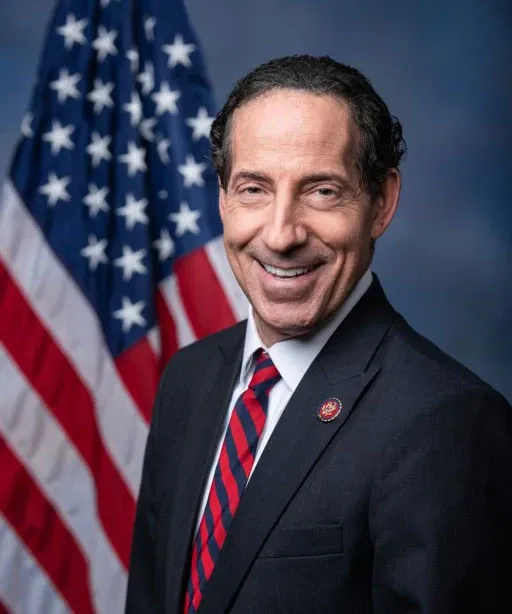
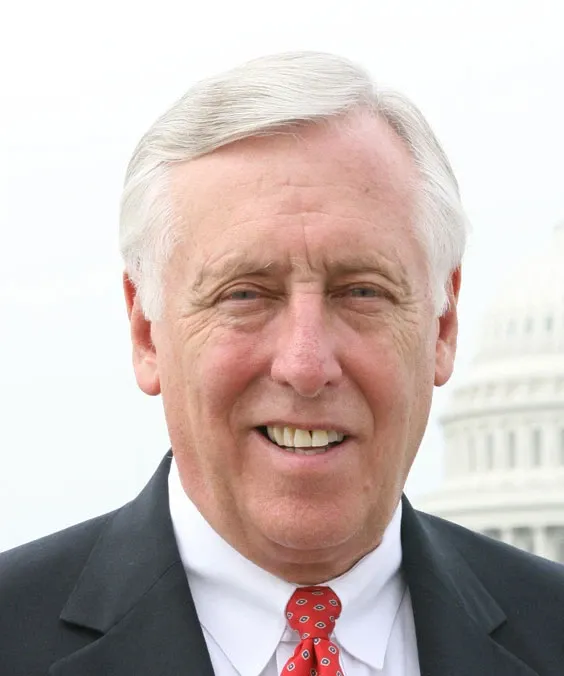
John Peter Spyros Sarbanes is an American politician serving as a member of the United States House of Representatives from Maryland's 3rd congressional district since 2007. A member of the Democratic Party, Sarbanes has focused on issues such as campaign finance reform, healthcare, and education during his tenure in Congress. He has been an advocate for transparency in government and has worked to strengthen the Voting Rights Act.
I also understand that there is a further analysis, a health risk reduction and cost analysis that is conducted.
Clearly what happens is that the actual contaminant level standard that gets set because of the feasibility analysis, that ends up typically being weaker than the goal.
Congress amended the Safe Drinking Water Act, SDWA, in 1996 to make the statute, quote, more effective after citing challenges in regulating drinking water contaminants.
Thanks, Mr. Chairman. Appreciate you holding the hearing. I want to thank you for your leadership on these issues.
If the value of that drug is worth paying for, the market is going to reflect that when Medicare goes into the market.
If we are really going to build back better in an equitable way--and I know that the President is committed to that--we need to not only address these contamination issues but invest in these environmental justice communities and provide…
These communities are disproportionately communities of color and low-income communities, and they are bearing the brunt of our environmental pollution.
I want to focus today... on the issue of environmental justice and how it relates to the contaminated properties.
I appreciate you holding the hearing. I also want to thank Chairman Pallone for his leadership.
Speaker Pelosi proposed an independent commission, which was modeled after the 9/11 Commission to study the January attack.
One hundred twenty-six days ago, the Capitol was overrun by insurrectionists.
We have to continue to ensure there is robust funding for programs that will help us recover from the coronavirus pandemic.
Recently the Centers for Disease Control, the head of the CDC, finally declared what has been a long time coming, which is that racism poses a threat to public health.
Thank you very much, Madam Chair, and thank you for the hearing, and to all of the witnesses this was incredibly powerful and moving testimony.
Allowing the Government to negotiate, just as many other countries do, would allow us to lower the prices of some of these drugs and to get more fair prices for patients and payers.
He felt this very, very deeply. I saw that every single day as he moved around his district.
As you probably know, 80 percent of the remaining pollutant load reductions that we need to achieve in order to meet these goals come from agriculture.
Can you provide some perspective on other plans to work with State, local, and Federal partners to meet the goals of the Chesapeake Bay agreement?
I am very pleased to see the Biden administration's emphasis on restoration and protection.
Chesapeake Bay is an economic engine for my home State of Maryland and, frankly, for the whole region.
I have, as I know my colleagues do, great expectations for the EPA under your leadership.
I would be curious to hear from you about the implications of long COVID when it comes to the workload of healthcare providers...
I feel a great deal of sympathy for people who have suffered from chronic fatigue syndrome over many years...
Politicians like John Sarbanes