Jun 17, 2014
We do have to worry about segments of our population who are either not working, or who are working at jobs where they have a declining standard of living.
The Public Record
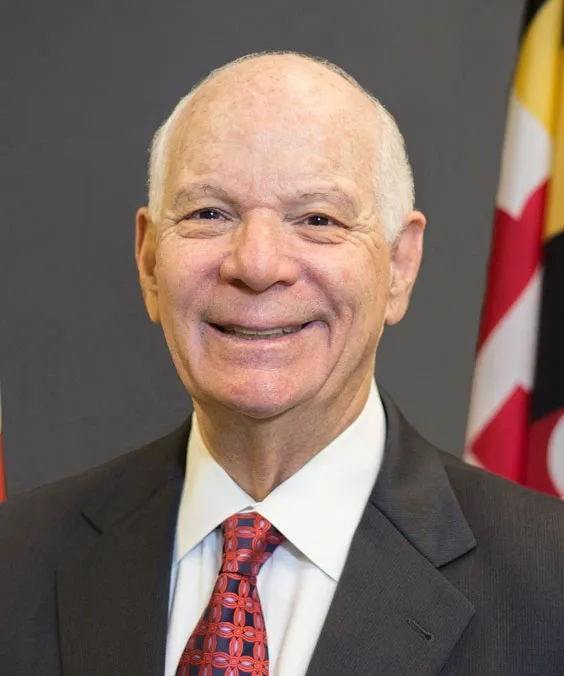
American politician (born 1963)
We do have to worry about segments of our population who are either not working, or who are working at jobs where they have a declining standard of living.
The long game, if you will, is education: greater investment in education and reform to how we think about education.
In my opinion, by almost any measure the President's policies have made a clear and measurable difference in terms of getting people to work and getting the economy back on track.
I have an amendment at the desk. The Acting CHAIR. The Clerk will report the amendment. The Clerk read as follows: Page 34, line 8, after the dollar amount, insert ``(reduced by $1,000,000)''. Page 44, line 6, after the dollar amount…
I was of a view that QE-3 was unnecessary, and we were at a point of diminishing returns.
I actually think the Fed's actions around the crisis were heroic, which I think both of you have acknowledged.
We are not necessarily describing this problem well, because the problem with the debt is, number one, it does now and it will prevent us for a long time from doing the things we need to do to get our economy growing.
Our debt ultimately, we all know, threatens the republic, but it is a particular problem in that context.
I think that it would be a good thing if we got deeply into the debate over broad tax reform in a context that helps deal with our long-term fiscal challenges.
We are under-investing in certain areas that actually have been proven and demonstrated to have a good economic payback: infrastructure, certain aspects of education, et cetera.
I think we also should be thinking about public/private partnerships both on a project level.
If we want to continue to be a first-rate economic power, if we want to protect our public, if we want to improve the quality of life of our citizens and our environment, if we want to create good, well-paying jobs that cannot be…
My first suggestion is: Deal with it and find ways to reduce spending and increase revenue to fund something that is essential to this country's competitiveness going forward.
Making sure we have an adequate, modern, and forward-looking infrastructure that's done in a smart way that allows U.S. corporations to compete is one of our central and, in my judgment, our most important domestic economic priority.
If we can in fact put in place smart infrastructure policy and design a prudent and efficient and effective way of funding the infrastructure in this country, we not only have an opportunity to put Americans to work in the short term…
The American Society of Civil Engineers estimates that we have almost a $4 trillion infrastructure hole as a country.
Yes, I knew you would enjoy that feature of the legislation. But in all seriousness, we have good bipartisan support. I have 20 of my Republican colleagues on the bill with 20 Democratic colleagues; 18 are on it officially right now. We…
Right. Under our legislation, the States make the determination. The American Infrastructure Fund has to develop an allocation process that every State has an allocation based on their economic science.
Two trillion dollars. And that reflects a significant problem with our Tax Code, which we'll reserve for another session for discussion.
Helping our veterans transition to civilian life is one of the most critical challenges facing our country.
The cost of this inaction is not nothing, and we are seeing that in the results in the economy.
I encourage you to resist the temptation to take those more ideological, political positions.
Politicians like John Delaney