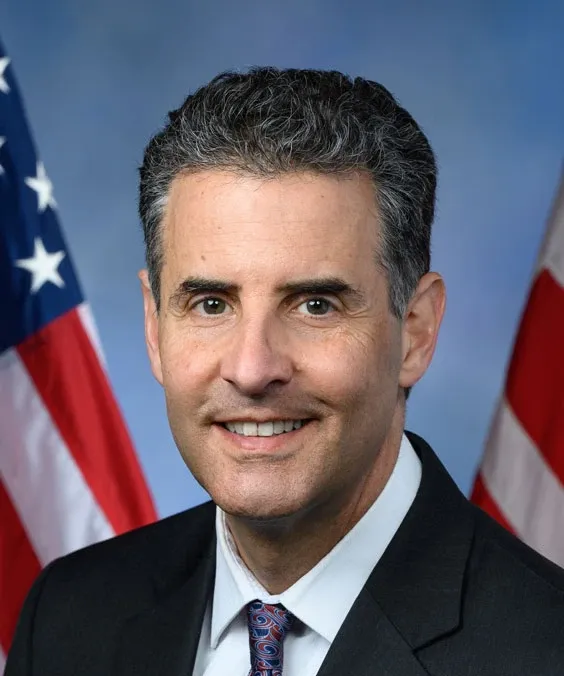
Ben Cardin
The Public Record
Ben Cardin is a United States Senator from Maryland, serving since January 4, 2007. A member of the Democratic Party, he has focused on issues such as healthcare, education, and civil rights throughout his political career. Prior to his tenure in the Senate, Cardin served in the U.S. House of Representatives from January 3, 1987, to January 3, 2007, where he was known for his work on tax policy and social security reform.
Apr 26, 2021
I would agree with you and others who have talked about the importance of nuclear power as a consistent and reliable source of energy in the United States.
Apr 26, 2021
I do think that is the clearest, easiest way that we can reward clean energy.
Apr 26, 2021
I personally have made it very clear that issue of human rights, particularly women's rights, is second to terrorism in terms of the hierarchy of U.S. policy importance.
Apr 26, 2021
The challenge is that there are normally waivers that are done in those circumstances or it gets involved in the discussions on cooperation on anti-terrorism, and sometimes the commitments to human rights gets pushed to the back burner.
Apr 26, 2021
We have urged Pakistan's leaders to exercise their considerable leverage over the Taliban.
Apr 26, 2021
Any congressional approval of further assistance to Afghanistan should and must depend on the shape of the Government there.
Apr 26, 2021
The only path to international legitimacy is through the democratic process and a peace deal that serves the interests of the Afghan people.
Apr 26, 2021
There is no military solution to what is now a 4-year conflict in Afghanistan.
Apr 26, 2021
The Biden administration has blown through a certification deadline and a reporting deadline established under the law.
Apr 26, 2021
An American departure puts Afghan women, minorities, and girls under serious threat of losing their hard-earned rights.
Apr 26, 2021
I don't believe under any circumstances that the United States Senate support--will support assistance for Afghanistan, especially under the World Bank's program which provides budget support, if the Taliban has taken a governing role that…
Apr 26, 2021
If the Taliban were to come back to power, the reality for Afghanistan's women and girls, I think, would be devastating.
Apr 26, 2021
It may be necessary for congressional action to make it clear to the Afghan Government that, if there is backsliding, the Administration is not going to be able to save them in negotiations.
Apr 26, 2021
If Afghanistan, with or without the Taliban, wants to be a country that is respected globally and does not want to be a pariah state, then they are going to live up to their commitments on anti-terrorism and on human rights.
Apr 26, 2021
I appreciate the desire to get our troops out of Afghanistan. That is something that I support.
Apr 26, 2021
Does the Administration have a robust Special Immigrant Visa and refugee asylum plan in place to rapidly process what I think may be thousands of Afghans who may need to leave the country?
Apr 21, 2021
China's activity in the China Sea is anything but in our national security interests.
Apr 21, 2021
I hope you will be--and all the panelists will be--free in giving us suggestions as to what we should be considering as we take up our relationship with China.
Politicians like Ben Cardin