Jun 24, 2009
The bill that may be on the House floor tomorrow that deals with global climate change invests a great deal of resources in coal.
The Public Record
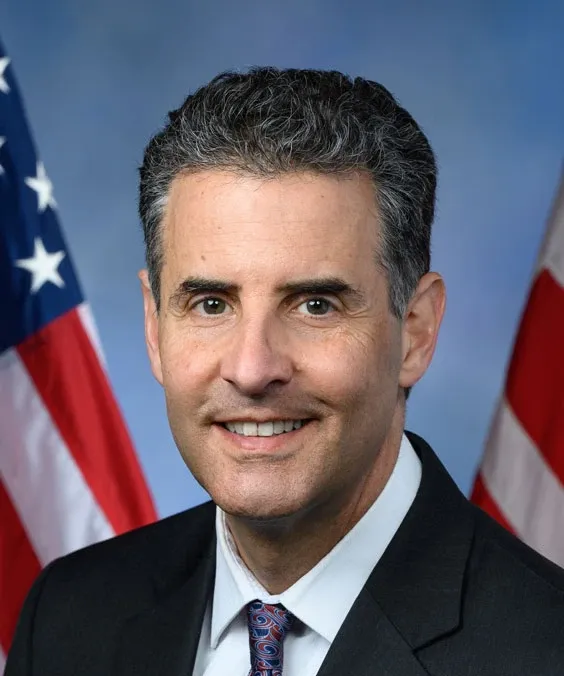
Ben Cardin is a United States Senator from Maryland, serving since January 4, 2007. A member of the Democratic Party, he has focused on issues such as healthcare, education, and civil rights throughout his political career. Prior to his tenure in the Senate, Cardin served in the U.S. House of Representatives from January 3, 1987, to January 3, 2007, where he was known for his work on tax policy and social security reform.
The bill that may be on the House floor tomorrow that deals with global climate change invests a great deal of resources in coal.
This is the first hearing that we have had in the Senate in 7 years on mountaintop recoveries.
I want to once again extend my sincerest condolences to the families, friends and others who suffered losses during Monday's tragic Metrorail accident.
That's why legislation is important. It has to be well-drafted, well-thought out, and this has not been.
The Federal Government can play a critical role in bringing about that change, and this is one more chapter in achieving that goal.
We need to start making a plan right away so that we do not leave our children in area of devastation: no water, no energy and no plan.
I would encourage this committee to look into the safety measures that can be taken to prevent such tragedies in the future.
I think you have a much better chance of economic growth without that type of activity.
We expect you to try to do what sometimes we're unable to do in this Congress, to reach a bipartisan conclusion.
This will be a continuing effort of our Subcommittee and I think you have given us a good start to our work.
the opposition does not reflect a studied position backed by the agency's research.
I want to thank our panels of witnesses for coming before the Water and Wildlife Subcommittee today to discuss mountaintop removal coal mining.
We think that needs to be taken into consideration when the economic argument is made.
I think that changing or broadening the ability of the Federal Government to respond makes this more of a seamless approach between the Federal authorities and local authorities.
I think if the Senate failed to pass this, the attitudes back in Iowa, at least, would be mute astonishment, wondering how the government can abandon these most vulnerable members of our society.
It is no coincidence that both our transportation and energy systems are simultaneously at a crossroads.
Politicians like Ben Cardin