Mike Capuano
The Public Record
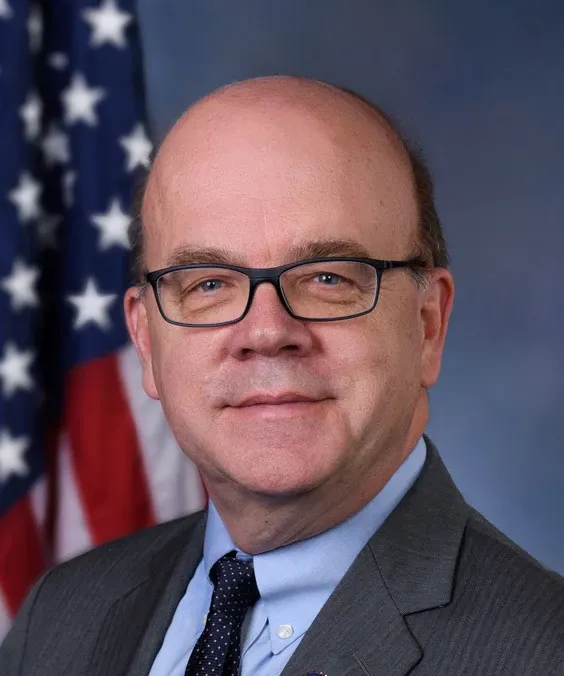
Mike Capuano is a former U.S. Representative from Massachusetts, serving from 1999 to 2019. A member of the Democratic Party, he represented Massachusetts's 8th congressional district. During his tenure, Capuano was known for his advocacy on issues such as healthcare, education, and civil rights. He served on several committees, including the Transportation and Infrastructure Committee, where he focused on infrastructure development and public transportation improvements in his district.
Jul 17, 2012
As I understand this, it may happen in 1 day, but it won't impact in 1 day, like everything else.
Jul 17, 2012
Because I would appreciate and I think the American people would appreciate it very much if somebody who intentionally lied to manipulate a worldwide market on something that affects every one of our daily lives will be held accountable.
Jul 17, 2012
Thank you for not giving up, thank you for not withering under this. We still need you and the Fed to be actively involved, even if there are things you do with which I disagree.
Jul 17, 2012
The most important, according to the way it is presented here, is what is going on in Europe.
Jul 17, 2012
It does appear that when Mr. Bush had an important economic appointment to make, he said, get me the usual suspect, which was Chairman Bernanke.
Jul 17, 2012
I am proud of those. While we can make them more efficient, I am not prepared to maintain more and more military spending at their expense.
Jul 17, 2012
I am always struck by the ability of my Republican colleagues to engage in a kind of duality of the mind with regard to Federal spending.
Jun 18, 2012
Do you really think it is a smart idea to be cutting the legs out of one of those major regulators?
Jun 18, 2012
It is also security, it is stability, it is operations under the rule of law.
Jun 18, 2012
I also fully agree with you on the simplification of regulators. I think we have too many regulators, as well.
Jun 18, 2012
I agree with you, but I wish that some of my colleagues on the other side would finally hear that.
Jun 18, 2012
I particularly welcome your comments on Title II of Dodd-Frank. You have clearly stated that you are not too-big-to-fail.
Jun 18, 2012
Section 722(d) of the Dodd-Frank says that if it has a direct and significant connection with activities in or an effect on the commerce of the United States that you do have oversight.
Jun 18, 2012
So it could have been a $20 billion item, it could have been a $200 billion item, it could have been every other major large bank.
Jun 18, 2012
Anybody who is interested in breaking up some of these large institutions should sign on to H.R. 1489, which would reinstitute the Glass-Steagall Act, which I voted against repealing in the first place.
Jun 18, 2012
I do think it is important to ask thoughtful, insightful questions about what happened--why they happened, and how we can prevent them from happening in a bigger way in the future.
Jun 18, 2012
It made me a movie star, Mr. Garrett. 'Inside Job' made me a movie star by expressing the outrage of the American people.
Jun 18, 2012
Dodd-Frank did not codify too-big-to-fail. Just the opposite. It prevented it from happening in the future.
May 15, 2012
I think we need to make sure we have the regulations to make sure this is done. Dodd-Frank is in place to do that.
May 15, 2012
The entire debate about SIFI designation is nothing more than a charade, and we should call it what it is.
May 15, 2012
But instead of calling these firms systemically important financial institutions or SIFIs, I think what we should call them is what we all know they are and what the market calls them as well, and that is too-big-to-fail institutions.
May 15, 2012
So if you really ended too-big-to-fail, then Members on the other side of the aisle over here would not state that one of their goals for the next Congress is, 'Let's end too-big-to-fail.'
Politicians like Mike Capuano