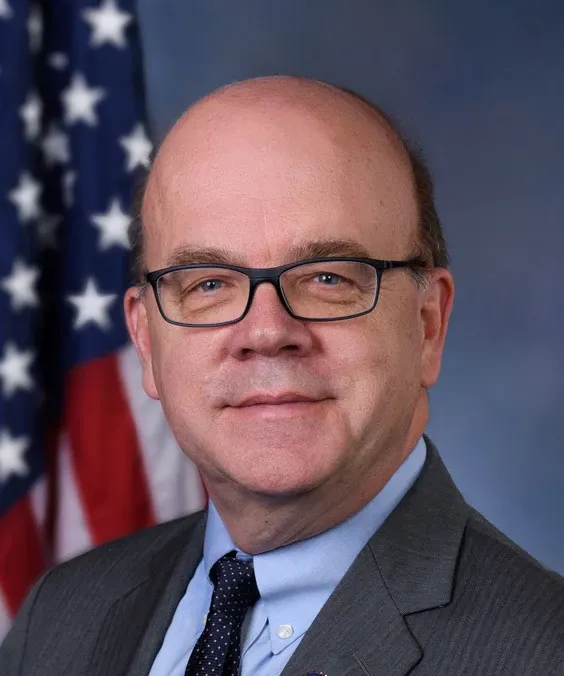
John Kerry
The Public Record
John Kerry is a prominent Democratic politician from Massachusetts who served as the 68th Secretary of State from February 2013 to January 2017 under President Barack Obama. Prior to his role as Secretary of State, Kerry was a United States Senator, representing Massachusetts from January 1985 until June 2013. During his time in the Senate, he was known for his work on foreign relations, environmental issues, and healthcare reform. He played a significant role in the negotiation of the Paris Agreement on climate change, emphasizing the importance of international cooperation in addressing global challenges.
Sep 12, 2011
I think we have got to understand the relationship between those choices, that the actual tax expenditure itself post-1986 is substantially the same as the one we have today.
Sep 12, 2011
I think that would be disastrous. I think people would look at this country and say, you guys can't govern.
Sep 12, 2011
Well, we know, for instance, there is one single famous building in the Cayman Islands which has maybe 35,000, 40,000 registered companies that are not companies at all.
Sep 12, 2011
I think the current system doesn't make any sense, to pay twice as much as any other developed country for health care and have our results rank somewhere between 25th and 50th.
Sep 12, 2011
What I am getting at is, can we create a system where you have two or three rates and you don't create a bubble?
Sep 12, 2011
I have been concerned for a long time about this issue of whether or not we inadvertently and in some cases maybe purposefully incentivize investment in other countries.
Sep 12, 2011
I second powerfully what Senator Portman said about our opportunity here... to try to get that sweet spot which he talked about.
Sep 12, 2011
So that has had a beneficial effect in terms of restraining growth in Medicare--in Medicare cost?
Sep 12, 2011
So isn't it fair to say that, in fact, there is an aspect about our budget today that is starkly different?
Sep 12, 2011
Could you share with the committee whether we can strike the right balance and have a system that is globally competitive, but encourages job creation and investment in the United States?
Sep 12, 2011
80 percent of all of the money the Federal Government raises in taxes, 80 percent of it goes out right back into tax expenditures.
Sep 12, 2011
I hope we are not being a prisoner of the clock where if any member asks a question--I am here to learn.
Sep 12, 2011
I had the pleasure of voting to get rid of the 70 percent and come down to--I think originally we chose two rates, as I recall it was 28 and 14 under the Reagan proposal.
Sep 12, 2011
I happen to agree with that judgment that you have made, and I think it is a very important one with respect to how we approach this.
Sep 12, 2011
Isn't it accurate that we have balanced the budget I think since World War II five times?
Sep 12, 2011
So what do we attribute that significant reduction in the Medicare cost growth rate?
Sep 12, 2011
Most people have accepted that we don't want to have major reductions to--we have reforms, yes.
Sep 12, 2011
Any real solution needs to be balanced with a mix of revenues and spending cuts and long-term reforms.
Sep 12, 2011
We all agree that we are facing an unsustainable financial future, and under the CBO's alternative fiscal scenario, the debt is going to reach 82 percent of GDP by 2021.
Politicians like John Kerry