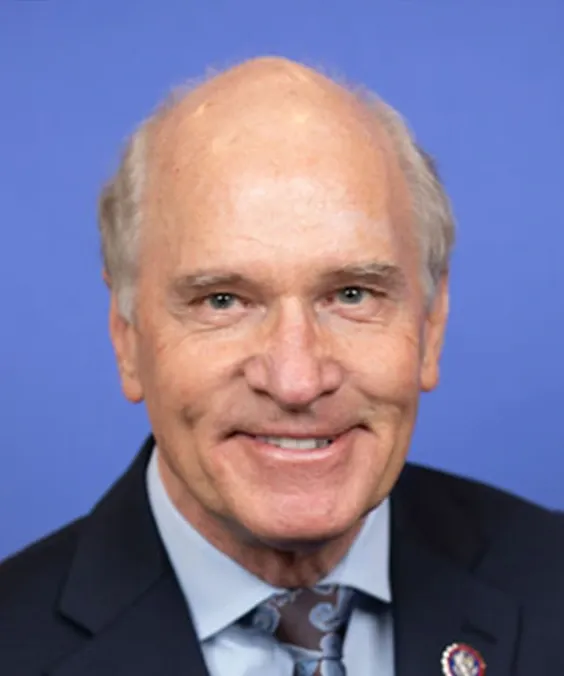
Elizabeth Warren
The Public Record
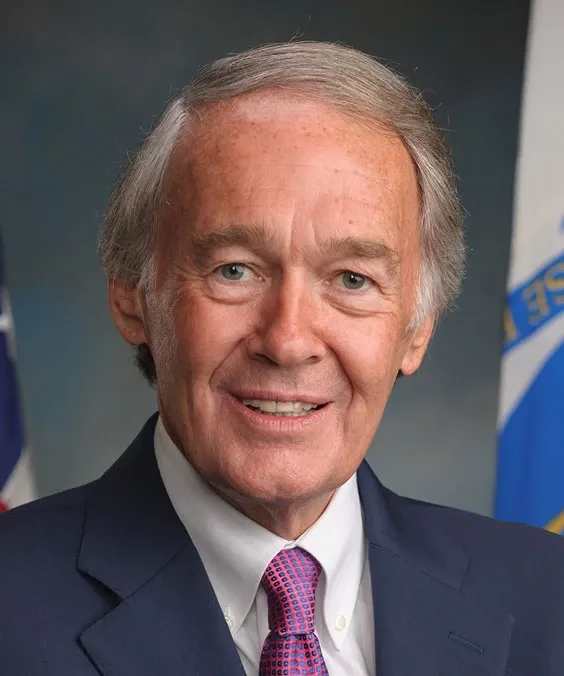
Elizabeth Ann Warren is an American attorney, academic, and politician serving as the senior United States senator from Massachusetts since 2013. A member of the Democratic Party, she has been a prominent advocate for consumer protection, economic equality, and corporate regulation. Warren gained national recognition for her work in establishing the Consumer Financial Protection Bureau and has focused on issues such as student debt relief and healthcare reform during her tenure in the Senate.
Nov 18, 2014
It has been 6 years since Congress created FHFA, and in all that time, your agency has never, not once, permitted a family to reduce its principal mortgage through Fannie or Freddie.
Nov 18, 2014
You have not helped a single family, not even one, by agreeing to a principal reduction.
Sep 16, 2014
Congress could stop giving preferential treatment to this kind of income, to wealth income--stocks and dividends--over work.
Sep 16, 2014
We should be closing tax loopholes and havens and ensuring that corporations, which are at an all-time high in profitability, are sharing some of that revenue.
Sep 16, 2014
I have to say, and to think about what it would mean if that million workers made $5 more an hour in terms of what they could buy elsewhere in the economy.
Sep 16, 2014
This is a topic we need to talk about--we need to do more than talk about; we need to do some things about.
Sep 16, 2014
Congress could pass, for example, the Employee Free Choice Act and make sure that there is more collective bargaining power in our economy.
Sep 16, 2014
If we cannot count on CEOs and senior management to reinvest at least some of the corporate profits in their workers like they used to, what steps should the Government take to fill that void?
Sep 16, 2014
Corporate profits in America are at an all-time, and the Dow Jones Industrial Average continues to hit new records.
Sep 16, 2014
Thank you very much for having this hearing, for pulling together such an illustrious panel.
Sep 15, 2014
The global response to Ebola underscores the need for well-functioning and effective health and public health systems across the world.
Sep 8, 2014
I believe that public companies should not be able to spend huge sums of shareholder money on political communication without informing investors.
Sep 8, 2014
I believe that conflicts of interest, or the appearance thereof, should not undermine the SEC's critical work enforcing our securities laws.
Sep 8, 2014
So, we are not going to be back here a year from now having this same conversation again.
Sep 8, 2014
So, no one should be above the law. If you steal a hundred bucks on Main Street, you are probably going to jail. If you steal a billion bucks on Wall Street, you darn well better go to jail, too.
Sep 8, 2014
Yet, despite the misconduct at these banks that generated tens of billions of dollars in settlement payments by the companies, not a single senior executive at these banks has been criminally prosecuted.
Sep 8, 2014
Now, as Judge Rakoff of the Southern District of New York has noted, the law on this is clear.
Sep 8, 2014
I hope to continue to work with Senator Harkin to advance our bill so that some flexibility and some sensibleness is appropriate and available to all workers in the case of trying to make reasonable schedules.
Sep 8, 2014
The President of the United States asked you to serve your country by joining the NLRB, and your first appointment was consistent with this long, bipartisan tradition of recess appointments.
Sep 8, 2014
Thank you for your willingness to serve and thank you, in particular, for your willingness to serve at the NLRB so that we can have a Board that fairly represents the people of this country.
Sep 8, 2014
I am pleased to have joined Chairman Harkin in introducing the Schedules that Work Act.
Politicians like Elizabeth Warren