Dec 16, 2013
I really believe, as do my colleagues on this side, that scope should warrant a more thorough Committee review than this pretty rush one at the end of the year.
The Public Record
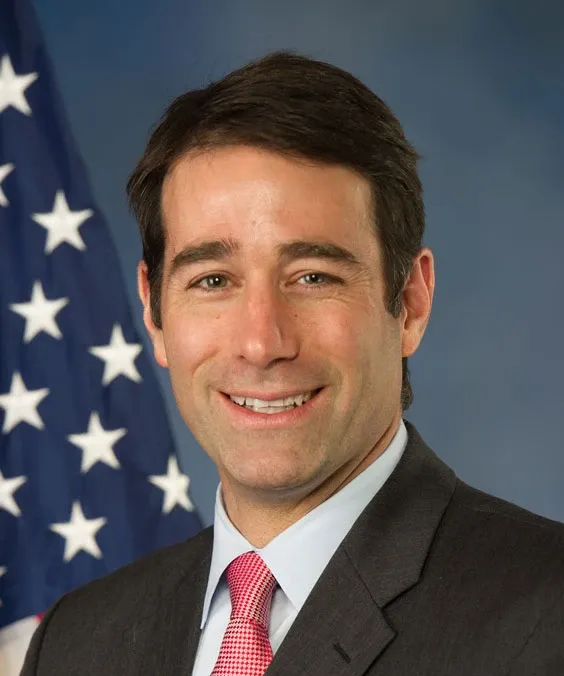
David Vitter is a former United States Senator from Louisiana, serving from 2005 to 2017. A member of the Republican Party, Vitter was known for his focus on issues such as transportation, infrastructure, and environmental policy. During his tenure, he served on various Senate committees, including the Environment and Public Works Committee, where he addressed topics like water quality and pharmaceuticals in the nation's waters.
I really believe, as do my colleagues on this side, that scope should warrant a more thorough Committee review than this pretty rush one at the end of the year.
It strikes me as those two things are at odds but I will come back to some other concerns.
In addition to these concerns, the agency is in perpetual overdrive executing the President's extreme climate agenda by administrative fiat.
America's energy policy should promote efficiency and value. It should not hurt consumers or cause them to bear unnecessary costs.
I will oppose amendments that do that. And so it is just going to be about that sort of important reform to this program.
Is there not a very strong possibility that your actions, once finalized, will be litigated?
And would you agree that reaching the blend wall threatens a spike in gasoline prices?
A final question. On the cellulosic biofuel side, what was produced and available for compliance under the RFS in 2010, 2011, 2012 and so far in 2013?
The mandates based on those assumptions are not feasible and should be modified.
But I believe it is really time to admit that the RFS is fundamentally flawed and limps along year after year.
Thank you all for testifying. Mr. Grundler, the EPA's recent use of the waiver authority, I assume that means you all decided that hitting the blend wall was a real threat.
In an ill-advised stop-gap rule, EPA has on several occasions waived the 10 percent limit of ethanol that can be blended into gasoline.
I think, exaggerates production, leaving refiners to either purchase more of a product that does not exist or pay a fine.
Further highlighting my point is the absence of the Energy Information Administration.
The USDA has said that the mandate played a part in driving up U.S. food prices 3 to 4 percent last year.
The World Bank says that corn-based ethanol in the U.S. is driving up grain prices by up to 8 percent worldwide.
I am very concerned that is a temporary Band-Aid and we really need some more wholesale look at this law.
In February, I introduced legislation to prohibit EPA from allowing gasoline blends with E15 to be used in passenger cars and trucks.
Automakers have announced that fueling your car with higher than 10 percent ethanol blends will void warranties.
Unfortunately not invited were many significant stakeholders like poultry producers, food products manufacturers, boat owners, motorcycle enthusiasts, small engine manufacturers, biodiesel producers, gas station owners, conservation groups.
The goal of that bill is to make this program far more workable and take out the threat of hitting the blend wall.
Politicians like David Vitter