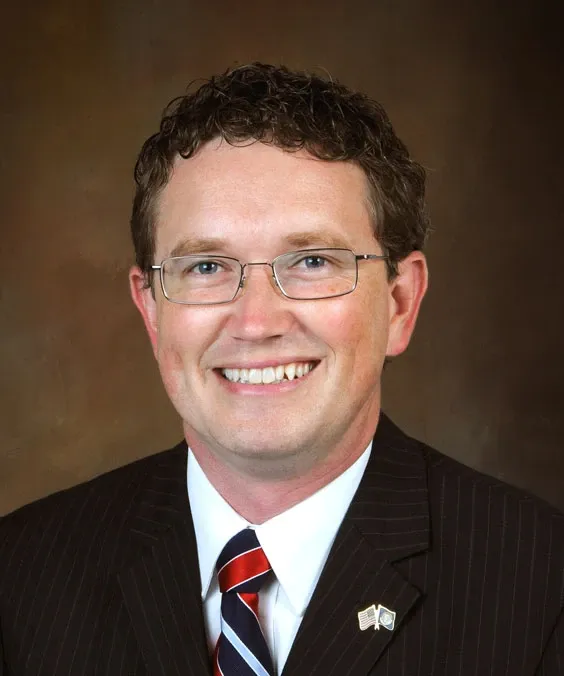
Rae Oliver Davis
The Public Record
Feb 27, 2017
Today's hearing continues our series where each of the six Subcommittees look at all aspects of the next farm bill.
Feb 27, 2017
I do believe it is important to highlight that other Subcommittees' work directly impacts specialty crop producers.
Feb 27, 2017
We want to increase the amounts of healthy foods that are served in our school cafeterias.
Feb 27, 2017
The 2014 Farm Bill developed and extended many highly successful programs that have helped the specialty crop industry.
Feb 27, 2017
I am very appreciative of my good friend, Ms. Fudge, who is one of my co-leaders in trying to ensure that our TEFAP funding is stable for those who need it the most.
Feb 27, 2017
This is my third listening session out of the five, and this is an opportunity for us to sit back and understand what it means to be involved in agriculture.
Feb 27, 2017
Cost is the main driver for so many of my school districts who are under-funded.
Feb 27, 2017
We enjoy the safest, most affordable, and most abundant food supply in the world in large part due to sustained public investment in agricultural research.
Feb 27, 2017
The sheer diversity of the category, ranging from fruits and vegetables, to tree nuts, nursery crops, and floriculture, makes the task of developing specialty crop policies particularly challenging.
Feb 27, 2017
What he constantly reminds us of, from his perch in his chair, is that agriculture is different everywhere you are.
Politicians like Rae Oliver Davis