Sep 17, 2019
We have got to be careful in this debate that we don't offshore these jobs or lower environmental conditions and for workers.
The Public Record
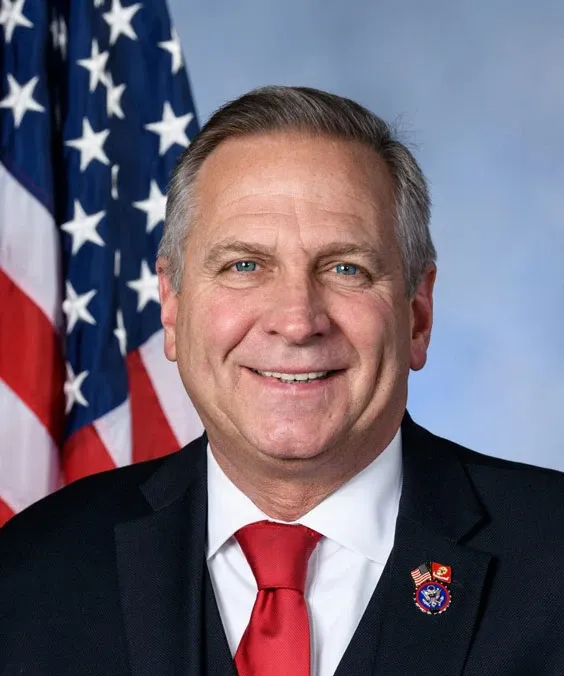
John Shimkus is a former U.S. Representative from Illinois, serving in the House from January 7, 1997, until January 3, 2021. A member of the Republican Party, he represented Illinois's 15th congressional district. During his tenure, Shimkus was known for his work on issues related to energy, environment, and agriculture, often advocating for policies that supported these sectors. He served on several committees, including the Energy and Commerce Committee, where he focused on energy policy and environmental regulations.
We have got to be careful in this debate that we don't offshore these jobs or lower environmental conditions and for workers.
There are bipartisan legislative solutions we can sign into law this Congress that will remove some of the barriers to innovation in the industrial sector.
The trick for the United States will be to develop the cleaner technologies and practices to explore to developing nations.
If we impose overly restrictive rules and regulations domestically, we raise the cost of energy and feedstock.
Thank you for your 24 years of service to the great people of Illinois. As a constituent that lives in your district, you will be greatly missed.
Let me make sure I put this in the record, that this relationship with DHS is because we are focused on security, and we want to put that--make sure that is on the table.
I mean--and we will mention it with the other panel. See, cost-benefit analysis, risk, additional costs, current markets--it is really tough to say what causes a sector to decide to close and to move.
I really plead with my colleagues on the other side to help us find that narrow path so that we can be really united as we address and fight with the Senate for the long-term authorization.
And I think our concern--and I think we all acknowledge the fact that we want to get as long-term a reauthorization as we can.
Unfortunately, the early years of CFATS program implementation were marked with several growing pains, some more hurtful than others.
This law--then referred to as section 550--surgically and directly address gaps in Federal law regarding terrorism or other intentional acts against high-risk facilities due to their use or possession of chemicals of concern at levels of…
Today, the subcommittee will not only check in on the progress of the Chemical Facility Anti-Terrorism Standards program...
This law, then referred to as Section 550, surgically and directly addressed gaps in Federal law regarding terrorism...
We have a law--an authorization law on the book that the appropriators failed to fund.
Some of these goals are not possible to achieve with current technology-or through renewable energy alone.
We should avoid complex, regulatory, and command and control schemes that the majority sometimes seeks to impose.
Our goals should be to perfect the bipartisan policies that will allow innovation in the private sector to provide the new technologies that will provide the path to lower emissions, especially where this is needed most.
This hearing kicks off the subcommittee's review of policies that would aim to substantially reduce greenhouse gas emissions across the United States economy.
I claim time in opposition. The Acting CHAIR. The gentleman from Illinois is recognized for 5 minutes.
They think we are very dysfunctional here in Washington, and we are, most of the time--we eventually get to compromise.
I want to make my own decisions. I want the autos to build cars that I want to buy.
President Trump was elected to be a disruptor, and he has--and he disrupts about everything in agencies and in government.
Politicians like John Shimkus