Nov 19, 2019
We want economic development. We want to grow the local tax bases, and we want a clean environment.
The Public Record
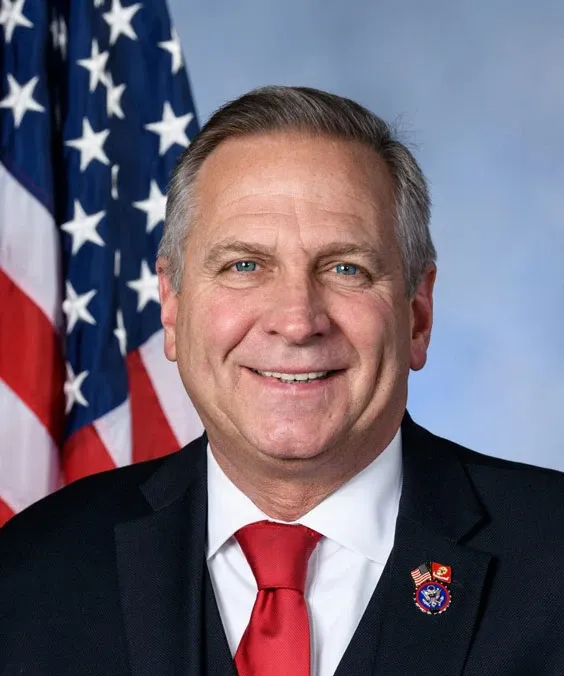
John Shimkus is a former U.S. Representative from Illinois, serving in the House from January 7, 1997, until January 3, 2021. A member of the Republican Party, he represented Illinois's 15th congressional district. During his tenure, Shimkus was known for his work on issues related to energy, environment, and agriculture, often advocating for policies that supported these sectors. He served on several committees, including the Energy and Commerce Committee, where he focused on energy policy and environmental regulations.
We want economic development. We want to grow the local tax bases, and we want a clean environment.
When you talk about environmental justice and air standards, newer cars are more expensive, but they have cleaner air.
Today's hearing will help answer questions about the specific roles of the EPA and how its various missions and programs ensure implementation of the principles of environmental justice.
Our policy work on air quality and safe drinking water... should aim to prioritize the most pressing problems.
Environmental justice is often associated, as we all know, with complex circumstances involving local social, economic, and governmental factors.
I just want to go over a little history. My first legislative success was enacting biodiesel in the fleets in 1998 with Karen McCarthy, and Clinton signed that bill.
I am disappointed in that answer, because it's a simple answer and a simple question.
I think there's a very clear correlation between the issuance of SREs and the reaction of the RIN market.
I would like to take this opportunity to renew my plea for this committee and the affected stakeholders to take a very serious look at the high-octane proposal that Congressman Flores and I have recently reintroduced.
I want to associate myself with Mr. Tonko's comments from last fall that for several years we have heard about issues with implementing the Renewable Fuel Standard program under administrations from both parties.
I urge my colleagues, as we have done in a high-octane proposal, to take a wider view of those policies.
I think you are addressing the concern that there will be a Balkanized market based upon regional differences and rules and regulations.
I raise these facts to underscore the point that getting to zero emissions in transportation will not be possible any time soon.
These vehicles, which are powered mostly by diesel engines, also provide a large role in the economy of the United States.
The transportation sector produces 29% of the Nation's carbon dioxide emissions, according to EPA.
The subcommittee turns to what is possible for decarbonizing transportation beyond automobiles and light trucks.
Getting to zero emissions in transportation will not be possible anytime soon, and it will not mean the elimination of the diesel engine anytime soon.
This is a debate that I've been involved with now 23 years, and I am sure we'll continue to have this debate for 23 more as everything evolves.
I need to plagiarize Bill Gates a little bit more every now and then. I sound smarter that way.
If we offshore these steel worker jobs and the plants, what would be the net environmental impact?
In March 2018, President Trump announced he would impose tariffs after the U.S. Department of Commerce Section 232 investigation.
Thank you, Mr. Chairman. I apologize for being absent. I was in another meeting that I had to attend.
Politicians like John Shimkus