Mar 5, 2019
Madam Chairman, it should be clear that, while the issue and emergency in tech may seem like a relatively straightforward problem, its ramifications are much bigger and go much deeper than it would appear.
The Public Record
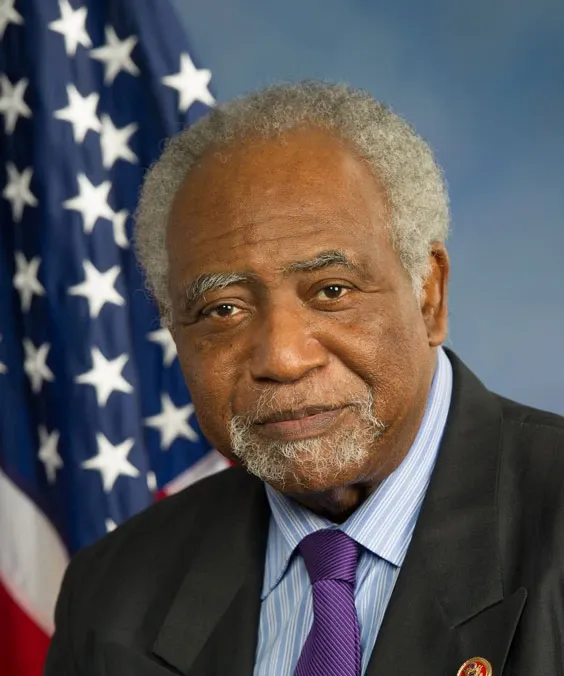
Bobby Rush is a former U.S. Representative from Illinois, serving from January 5, 1993, to January 3, 2021. A member of the Democratic Party, Rush was known for his advocacy on issues related to children's safety and consumer protection. He worked closely with colleagues to strengthen agencies responsible for safeguarding children and emphasized the need for legislative changes to ensure the safety of products available to families. Rush's tenure in Congress was marked by his commitment to social justice and community empowerment, reflecting his deep roots in the civil rights movement.
Madam Chairman, it should be clear that, while the issue and emergency in tech may seem like a relatively straightforward problem, its ramifications are much bigger and go much deeper than it would appear.
While seemingly trivial, this is just one example of the real-world impediments that people of color across the country face because of the lack of representation in the technology industry.
This same phenomenon has been repeated in facial recognition technology that mistakenly identified 28 Members of Congress, myself included...
The President came to the district when he was campaigning and said he was going to reduce the average cost of healthcare for the average family by $2,500 a year.
We were not always able to truly help the very same individuals that this bill was designed to reach.
I am truly excited to hold this morning's hearing focusing on HR 1315, the Blue Collar to Green Collar Jobs Development Act.
I represent a district in southern California that includes areas like Compton and Watts, where not everybody is going to college.
Bills like this are so critically necessary and important because there is a lot of folks in parts of the country, including my district, who want to have opportunities for jobs where they may not go to college.
The challenge, which is really the opportunity of our time, is ensuring that we have a diverse and trained workforce.
Last Congress, myself and Congressman Brendan Boyle of Pennsylvania, we founded the Blue Collar Caucus.
I look forward to working closely with you. I respect you, Mr. Chairman, and I trust you.
This is not regular order, and it is not the way I would have hoped to handle this bill, given our history of working together.
My primary and sole objective is exactly that, putting as many people to work in good-paying energy and manufacturing jobs as possible.
I really want to, once again, welcome our witnesses. You brighten up the room here.
I certainly want to thank you, Madam Chair, and I want to thank all the witnesses who have appeared before this subcommittee today.
To answer your initial question, yes, the equal access and gender identity rule, which went into effect in 2016...
Ultimately, black and brown Americans have benefitted the most from the ACA's Medicaid expansion program.
I want to ask Ms. Hung, you've been sitting here patiently, remarkably, listening to a lot of discussion between experts.
One aspect of the ACA that I like is insurance companies must now spend at least 80 percent of their premium on actual healthcare as opposed to other kinds of pay for CEOs and also for an increase of their profits.
Since the Act was passed, approximately 20 million Americans have gained health coverage, including over a million in my State.
I want to--as I recall, when this Affordable Care Act was passed, there were millions of Americans who were without health insurance totally.
I have been a Member of Congress for quite--for, as you have, for over 26 years, and this is my first time being a member of this subcommittee.
Thank you, Mr. Chairman, for holding this markup today examining Public Private Partnerships for Federal Energy Management.
Politicians like Bobby Rush