Apr 9, 2019
H.R. 1315 is in essence a jobs bill designed to train underserved groups, including women, minorities, veterans, unemployed energy workers, and returning citizens.
The Public Record
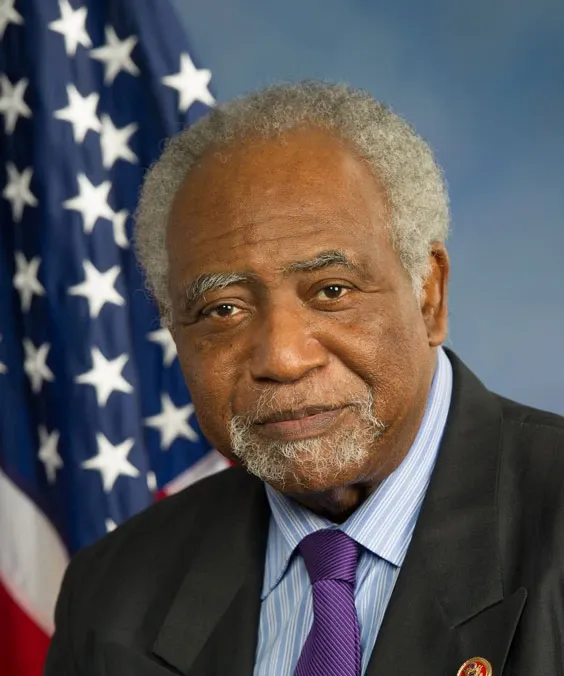
Bobby Rush is a former U.S. Representative from Illinois, serving from January 5, 1993, to January 3, 2021. A member of the Democratic Party, Rush was known for his advocacy on issues related to children's safety and consumer protection. He worked closely with colleagues to strengthen agencies responsible for safeguarding children and emphasized the need for legislative changes to ensure the safety of products available to families. Rush's tenure in Congress was marked by his commitment to social justice and community empowerment, reflecting his deep roots in the civil rights movement.
H.R. 1315 is in essence a jobs bill designed to train underserved groups, including women, minorities, veterans, unemployed energy workers, and returning citizens.
This bill would provide much-needed assistance to State Energy Offices to plan for and respond to energy disruptions from both physical and cyber threats.
I want to welcome everyone to today's hearing entitled 'Investing in America's Energy Infrastructure: Improving Energy Efficiency and Creating a Diverse Workforce.'
Let's get to work, Director Campos, on these issues so that we can start enacting serious proposals such as my workforce bill.
Director Campos, while I appreciate your traveling around on, quote, listening tours, my objective is to get beyond the talking and the planning stages.
Chairman Rush, Ranking Member Rush, the numbers are not as good as they should be. We need to do more.
You stated that people are dying because of Section 6(b). Those are your statements. Am I quoting you correctly?
I want to thank you, Madam Chairlady, and I certainly appreciate you and the ranking member having this hearing this morning, and I appreciate your longstanding leadership on all issues related to consumer protection.
I am proud to continue my fight to stop drug companies from rigging the system in order to take advantage of hardworking Americans.
No American should be forced to make the choice between paying their bills and buying their pills.
My bill prohibits the practice of, quote, 'pay-for-delay,' end of quote, in which brand-name drug companies compensate generic drug manufacturers to delay the entry of cheaper drugs into the market.
The Protecting Consumer Access to Generic Drugs Act prohibits these Pay for Delay agreements outright.
Someone with insurance should not have to worry about filing for bankruptcy or not having access to lifesaving treatment.
These junk plans are not about consumer choice and freedom. These products are a risk to people's health and to their economic security.
The Chair wants to thank the full committee chairman. The Chair now recognizes Mr. Latta of Ohio for 5 minutes.
I want to thank the gentle lady. And I also want to extend my apologies to her for misidentifying her state.
This proposed light bulb rollback will cost the average American household an extra $100 a year, and overall, consumers will be forced to pay an additional $12 million between now and 2025 on electric bills.
It is very, very disturbing to me that DOE, under the current administration, has invested so much valuable time in working on two new proposals that are both unnecessary and would actually harm consumers.
A typical household saves about $500 per year because of the current standards, making energy conservation standards the most efficient tool DOE has for making anything more affordable for the average American.
I want to thank all of our invited guests for being here today to testify at today's hearing entitled, 'Wasted Energy: DOE's Inaction on Efficiency Standards and Its Impact on Consumers and the Climate.'
This failure to follow the law, which was enacted on a bipartisan basis under George W. Bush, could potentially cost consumers billions of dollars in higher energy bills, while also creating uncertainty for domestic manufacturers.
Let me be crystal clear, DOE's failure to update the 16 appliance and equipment standards that were adopted and finalized during the Obama administration, violates its statutory obligations under Energy Policy and Conservation Act (EPCA).
Madame Chairwoman, it should be clear that while the issue of diversity in tech may seem like a relatively straightforward problem, its ramifications are much bigger and go much deeper than it would appear.
Politicians like Bobby Rush