Feb 1, 2022
Increasing energy efficiency, and producing more renewable energy here at home should continue to be a goal.
The Public Record
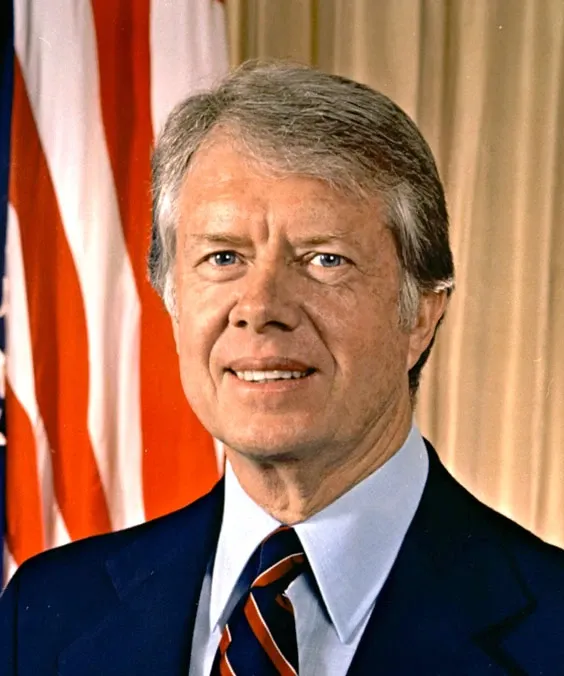
David Albert Scott is an American politician serving as a member of the United States House of Representatives from Georgia's 13th congressional district since 2003. He is a member of the Democratic Party. Throughout his tenure, Scott has focused on issues such as economic development, healthcare, and education, advocating for policies that benefit his constituents in Georgia. He has also been involved in various committees, contributing to discussions on national and local issues.
Increasing energy efficiency, and producing more renewable energy here at home should continue to be a goal.
I want to ensure that our farm bill programs support producers, particularly historically underserved and beginning farmers.
Make no mistake, climate change poses a threat to our rural communities, and to the production of food, fuel, and fiber.
Increasing energy efficiency and producing more renewable energy right here at home should continue to be a goal.
I hold out hope that we can develop a fruitful, consistent partnership with USDA that best serves our rural communities.
We have to raise a loud voice and stop Russia from doing, and continuing, this evil work, killing women and children indiscriminately.
The disruptions from the COVID-19 pandemic opened many Americans' eyes to the importance of reliable food production.
Our farmers are the lifeblood of the rural economy, and having a reliable domestic source for food is a matter of national security.
Today's hearing is an important opportunity for us to reflect on commodity programs in the 2018 Farm Bill and gather input from key stakeholders on what is working and is not working for farmers across the country.
Georgia is number one in the country for peanut production and number two for cotton production.
I am pleased to have this distinguished panel of nine representatives from a variety of national commodity associations.
Jim Hagedorn fought a good fight. He finished his course, and Dear God, Jim Hagedorn kept the faith.
By increasing the transparency of programs that help historically underserved farmers and ranchers gain access to land and other government services, we can begin the important work of addressing the climate crisis.
Recent efforts to improve EQIP and the Conservation Stewardship Program (CSP) will increase accessibility for young, marginalized farmers.
Farm bill conservation programs are critical elements in combating climate change as well as improving access to land for the next generation.
Climate change is an increasing and persistent threat to agriculture, disrupting food production across the country and the rest of the world.
Congress must make pathways to finance more widely accessible to young farmers and ranchers.
How many projects have been awarded or obligated annually under the Biorefinery, Renewable Chemical, and Biobased Product Manufacturing Assistance program over the past 5 years?
Politicians like David Scott