Feb 1, 2022
This program may take the form of a long-term forgivable loan that incorporates support for housing, infrastructure, farmer training, and land stewardship practices.
The Public Record
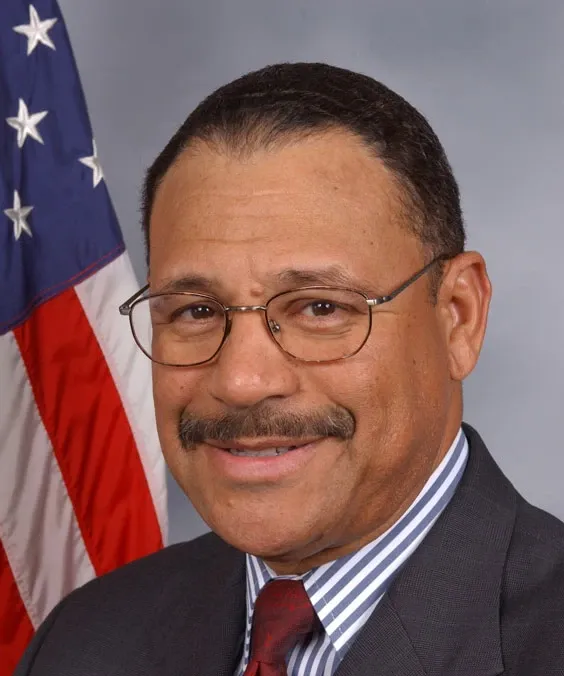
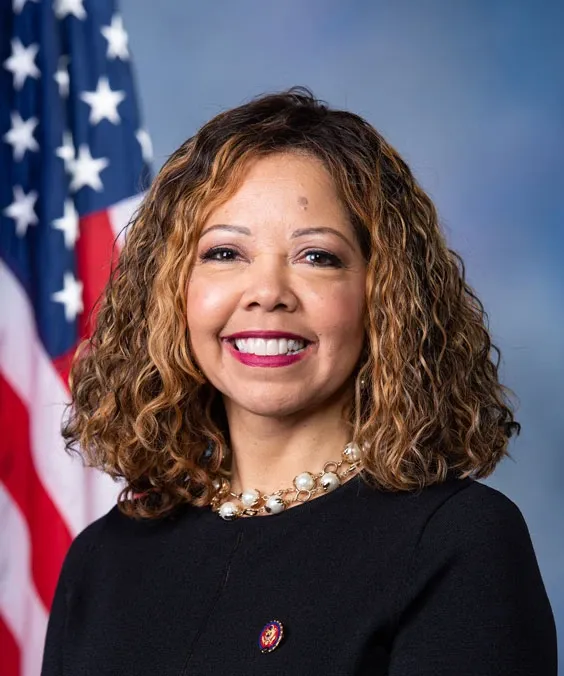
David Albert Scott is an American politician serving as a member of the United States House of Representatives from Georgia's 13th congressional district since 2003. He is a member of the Democratic Party. Throughout his tenure, Scott has focused on issues such as economic development, healthcare, and education, advocating for policies that benefit his constituents in Georgia. He has also been involved in various committees, contributing to discussions on national and local issues.
This program may take the form of a long-term forgivable loan that incorporates support for housing, infrastructure, farmer training, and land stewardship practices.
I urge Congress to think about how it can support young farmers holistically.
The focus of the next farm bill must be on policies that enable equitable land access and transition.
The bipartisan Infrastructure Investment and Jobs Act made the largest Federal broadband investment in our nation's history, totaling nearly $65 billion.
The COVID-19 pandemic highlighted the necessity of reliable broadband as workplaces and businesses migrated online.
Broadband is a critical tool for rural development, but inaccessibility to high-speed internet remains a major barrier for rural communities.
Historically, these groups of producers tend to have financial positions that are less desirable to lenders.
I am also excited for the opportunity to continue to work with my colleague, Ranking Member Thompson of Pennsylvania, who shares an interest in this area.
Our young, beginning and underserved producers face difficulties in obtaining credit that our more seasoned and established producers may not encounter.
I am eager to learn how changes enacted in the 2018 Farm Bill have affected our producers and how we can improve these programs through effective policy decisions.
Credit access and availability is vitally important to keep a farming operation afloat.
Access to capital, but even more so, access to credit, is a pillar to establishing a successful agricultural operation.
We must ensure that the next generation of men and women who take the place of those retiring from this grand occupation have the tools necessary to continue to produce the food and fiber that we rely on for our existence.
This new initiative will be the first farm bill program to be designed from the start to invest in secure, equitable access to land for farmers.
I believe there is much more we can do in the next farm bill to shore up family dairy operations.
Consolidation runs the clear risk of making our dairy supply chains less flexible, especially in moments that call for maximum agility.
Farmers have been burned so badly by the previous iteration of margin coverage that not one dairy farmer I talked to in my district thought they would re-enroll.
Dairy is an important pillar of New Hampshire's diverse agricultural economy, so I am glad we are having this discussion as we look ahead to the 2023 Farm Bill.
During the previous farm bill reauthorization I worked to strengthen the dairy farm safety net.
Over 98 percent of Arizona dairies are family owned and operated, and these families depend on our work to stabilize prices and incentivize domestic production.
Dairy is an essential part of Arizona's economy, and among the top commodities in Arizona's First Congressional District.
I want to thank Chairman Scott and Ranking Member Thompson for organizing this important hearing.
We must listen to farmers and continue a dialogue with industry and USDA as we navigate that issue to identify the best approach to any changes moving forward.
Politicians like David Scott