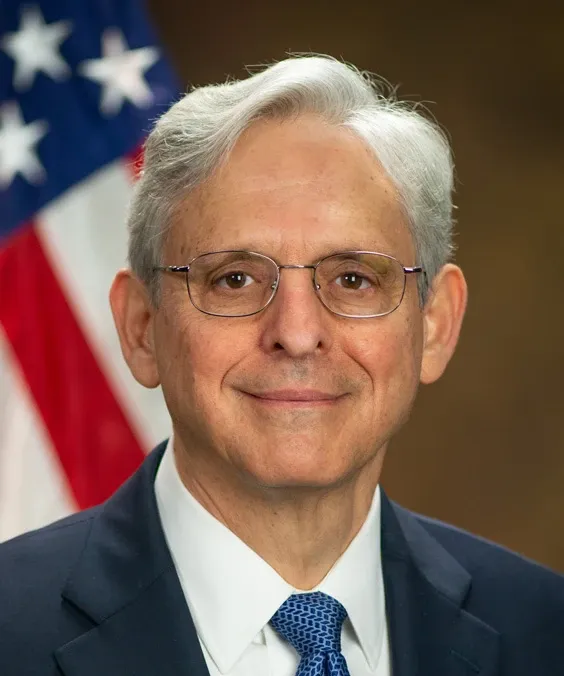
Eleanor Holmes Norton
The Public Record
Eleanor Holmes Norton is an American attorney and politician serving as the U.S. Representative for the District of Columbia since 1991. A member of the Democratic Party, she has been a strong advocate for D.C. statehood and local autonomy. Throughout her tenure, Norton has focused on issues such as civil rights, education, and public safety, often emphasizing the unique challenges faced by residents of the District of Columbia. She has been vocal against federal interference in local governance, arguing for the rights of D.C. residents to have representation and control over their own affairs.
Jul 13, 2009
The public needs to know, short of spending money, do the experts have a response that can increase our feeling of safety when we get aboard the Red Line that we have no alternative but to board?
Jul 13, 2009
Even if we give Mr. Rogoff the kind of perhaps authority he ought to have, I can tell you without fear of contradiction--leave aside the recession we are in, let's suppose we are in the false boom economy we just came out of--that there is…
Jul 13, 2009
What was the reason, do you believe, we prohibited ourselves from providing for the safety of the public and rapid transit the way we do in other common carriers?
Jul 13, 2009
So should some other Federal agency have been charged as more and more cities and States developed mass transit systems?
Jul 13, 2009
Well, would you consider putting up a Web site and assigning each jurisdiction around a duty with respect to that?
Jul 13, 2009
The choice should have been to put them in the middle so that either end would have the most crashworthy cars.
Jul 13, 2009
Wasn't that counterproductive, to say, 'OK, take away their money,' when they don't have any money?
Jul 13, 2009
Why did you not recommend what looks like a common-sense recommendation that doesn't require a bunch of experts: 'Hey, at least don't make the crash occur in the front end or the back end?'
Jul 13, 2009
I want to once again thank Chairman Stephen Lynch for his attention to Metro by responding to my request early in his tenure as the new Chair of this subcommittee with a hearing on April 24th, and again today granting my request for this…
Jul 13, 2009
This hearing is not about assigning cause. We don't have the slightest idea. Nobody could possibly know.
Jul 13, 2009
So you don't have any enforcement authority, is that right? You can't tell them to do anything.
Jul 13, 2009
When you develop standards, have you found that transit systems across the United States readily develop these standards, and did WMATA do so?
Jul 13, 2009
You know these people cannot replace these cars. And you have done your duty over and over again and said, 'Replace those cars.'
Jul 13, 2009
Your testimony has been really indispensable to this hearing. It's riveting testimony.
Jul 7, 2009
What I can't understand is why, in fact--indeed, I would have expected you to come to the Subcommittee and ask for some assistance.
Jul 7, 2009
If that were the case, we wouldn't be turning down so many people to come to us for courthouses.
Jul 7, 2009
I appreciate that you have set aside particularly that contract for small businesses and then had them compete for this small business contract in keeping with Federal regulations, so that is good.
Jul 7, 2009
What is the role of somebody who doesn't have any expertise when it comes to security except to do what I do, complain about too much security or I have seen people get in who shouldn't?
Jul 7, 2009
Can you give us any assurance that those guidelines will in fact not leave customer agency personnel, expert in agency matters, as decision makers for the security of Federal assets?
Jul 7, 2009
Apparently, for storage space, the Secret Service is costing us a thousand dollars per square foot.
Politicians like Eleanor Holmes Norton