Jul 7, 2009
Now, customer urgency means what, the roof is leaking and people are complaining?
The Public Record
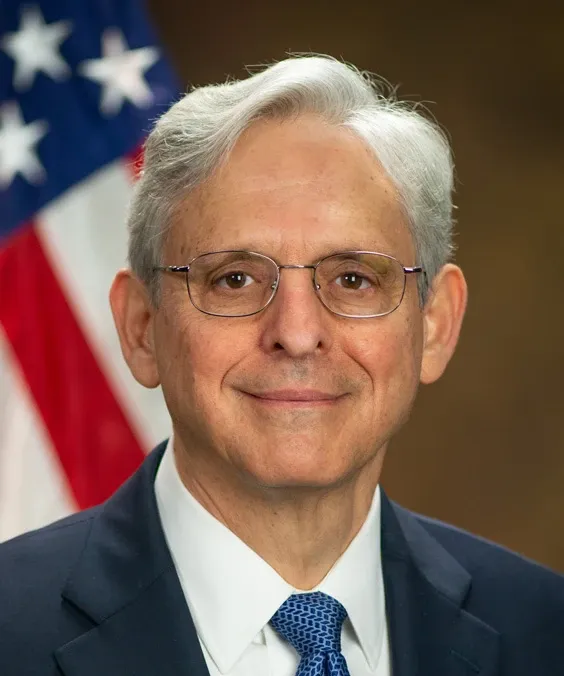
Eleanor Holmes Norton is an American attorney and politician serving as the U.S. Representative for the District of Columbia since 1991. A member of the Democratic Party, she has been a strong advocate for D.C. statehood and local autonomy. Throughout her tenure, Norton has focused on issues such as civil rights, education, and public safety, often emphasizing the unique challenges faced by residents of the District of Columbia. She has been vocal against federal interference in local governance, arguing for the rights of D.C. residents to have representation and control over their own affairs.
Now, customer urgency means what, the roof is leaking and people are complaining?
But all we want to see is what we can see now. I am not asking to see what you haven't completed yet.
I appreciate that you have made us understand that there is no leaving, no exit in that sense.
I don't understand the national security concerns at all about World War I weapons.
I want to express my appreciation for the Corps and the Army for remaining to hear you out.
Neither Congress nor the community has seen the Corps' 2 year exit plan or any evidence that the area has been cleaned.
I cannot say to you that I have been convinced yet, we have some time to go, that an independent evaluation will not be necessary.
So you appointed the first ones. As people left, then who was the decisionmaker?
I want to alert this panel that in 20 minutes to a half hour even the voteless Delegate from the District of Columbia gets to vote.
This community is going to know what those weapons were when this is all over.
I appreciate that, beginning in my early years in Congress when I was in the minority, this committee has held every hearing that I have requested to assure that the Spring Valley neighborhood surrounding American University is cleared of…
However, Mr. Chairman, the Corps neither informed this committee, despite our oversight over the years, or me, the city's only elected congressional official.
I think that in light of your testimony about how the Corps has underestimated the cost of cleanup, that would seem to be important to do.
If there is a work plan, if we are now supposed to be in an era of transparency, why not share it?
So what would be the evidence then of whether or not there was anything harmful there if it was buried that deep?
Would the partners have an objection to an independent study? The silence is deafening.
I am looking for somebody above it all who will look at the work and say that the work has been done or not.
I recognize the position, particularly that the Corps is put in, in dealing with their own munitions very deeply buried.
You are now about to leave. As you leave, surely we could get the greatest transparency possible.
Politicians like Eleanor Holmes Norton