Jul 28, 2015
Well, there are a lot of folks that think that the human population is now seriously endangered.
The Public Record
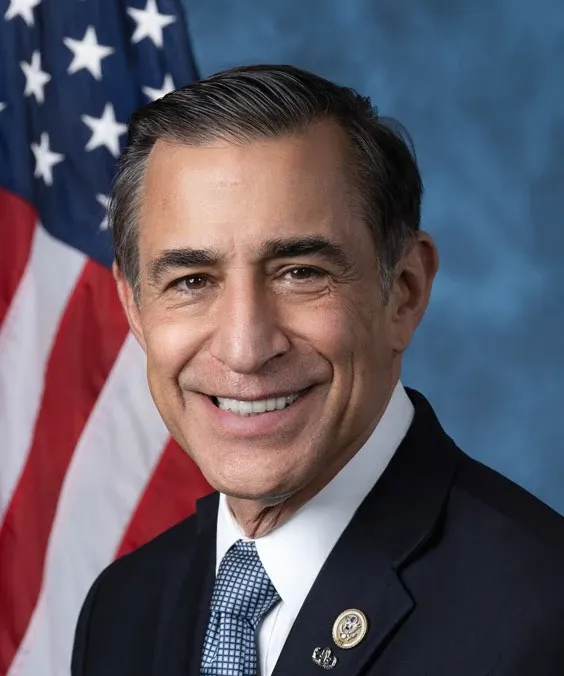
Thomas Miller McClintock is an American politician serving as the U.S. Representative for California's 5th congressional district since 2009. A member of the Republican Party, he has been an advocate for limited government and fiscal conservatism throughout his political career. McClintock has focused on issues such as tax reform, environmental policy, and government spending. He previously served in the California State Assembly and as a member of the California State Senate, where he gained recognition for his commitment to conservative principles.
Well, there are a lot of folks that think that the human population is now seriously endangered.
California is suffering what hydrologists suggest may be the worst drought in 1,200 years; certainly it is the worst drought in recorded history.
You have no moral justification other than you favor the fish over the human population?
How do you justify such a policy? ... putting the needs of 29 steelhead trout over the needs of 300,000 human beings in the worst drought in the recorded history of the state?
What you are doing is upsetting their own natural guidance, by inducing them to enter rivers that normally their common sense would tell them to stay out of.
The public sector works exactly the opposite. They attract capital by being less efficient, less innovative, and then coming here and demanding more money to cure these inefficiencies.
During the last 30 years, we have seen an 80 percent decline in the timber harvests from the National Forest Service lands.
I, for the life of me, don't understand why we don't allow such things as captive breeding programs to meet the ESA requirements.
It reminds me of the Vietnam War maxim, 'We have to destroy these habitats to save them,' and that is exactly what these policies have done.
To add insult to insanity, when they tear down the Iron Gate Dam, the Iron Gate fish hatchery goes with it; then you do have a catastrophic decline.
I think we have gone too far from the original intent of the Endangered Species Act.
Politicians like Tom McClintock