Mar 9, 2021
I am personally interested in helping EPA become effective, responsive, and science-driven.
The Public Record
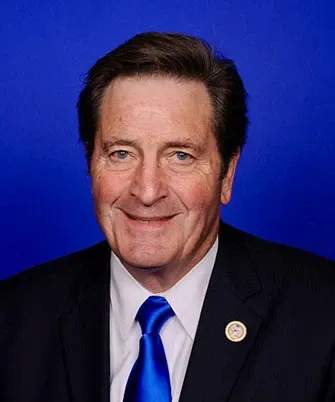
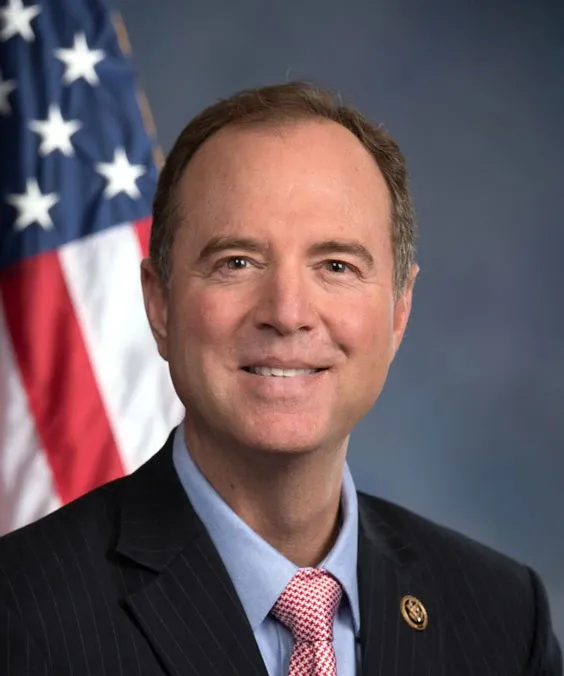
Scott Peters is a member of the United States House of Representatives, representing California's 52nd congressional district since January 3, 2013. A member of the Democratic Party, Peters has focused on issues such as healthcare, environmental protection, and economic development during his time in Congress. He has been an advocate for policies aimed at addressing climate change and improving access to affordable healthcare for his constituents. Peters previously served on the San Diego City Council, where he gained experience in local governance and community issues.
I am personally interested in helping EPA become effective, responsive, and science-driven.
If we don't control fugitive methane emissions along the way from production to end use, there is no climate benefit.
I commit to working with you to find out the facts behind what has gone wrong and honestly figure out the ways that the Federal Government can play a role in ensuring reliability.
I am excited we were able to make sure that, not just congressional staffers, but every single American now has student debt treated when it is paid by an employer exact same as tuition reimbursement and it is tax free for the first $50…
Every credible study indicates a significant need to build new interstate transmission lines.
This will be an expensive effort, but it will a much less expensive effort if we act now.
People are talking about today's cost without thinking about the cost of doing nothing.
I want to start by acknowledging the calls of my friends Mrs. McMorris Rodgers and Mr. McKinley for bipartisanship on this panel.
It is quite correct, though, we can't win this global battle without the rest of the world.
I want to thank Mr. McKinley for partnering with me and coauthoring my bill the USE IT Act on carbon capture and utilization.
Climate change is going to be expensive, but it is going to be a lot less expensive if we act now.
One of the best ways to incentivize this collective solution is to put a price on carbon either through a cap in trade like California has or through a carbon tax.
If we are going to save this plant, we need to change the behavior of every decision-maker throughout the economy.
If it is not bipartisan, it generally doesn't pass, and if it is not bipartisan, it certainly doesn't last.
I think this idea of waiting till the next election to see what happens is not the most constructive for the country.
We had actually passed a bill that would have moved Yucca ahead and that has been not the case in this Congress.
We have to prioritize early prevention, heed warning signs, and give educators and administrators the tools to stop violence before it happens.
So I am thankful and grateful that my bipartisan bill, the Suicide Training and Awareness Nationally Delivered for Universal Prevention Act, or the STANDUP Act, is included in today's hearing.
Thanks very much, Madam Chairman, and thanks very much for having this important hearing today considering critical bills to improve Americans' mental health.
Politicians like Scott Peters