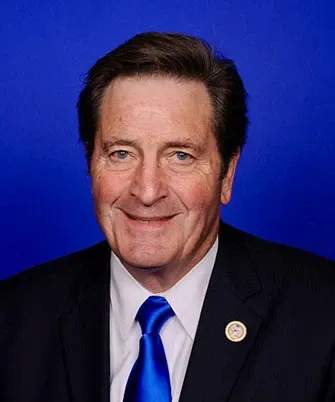
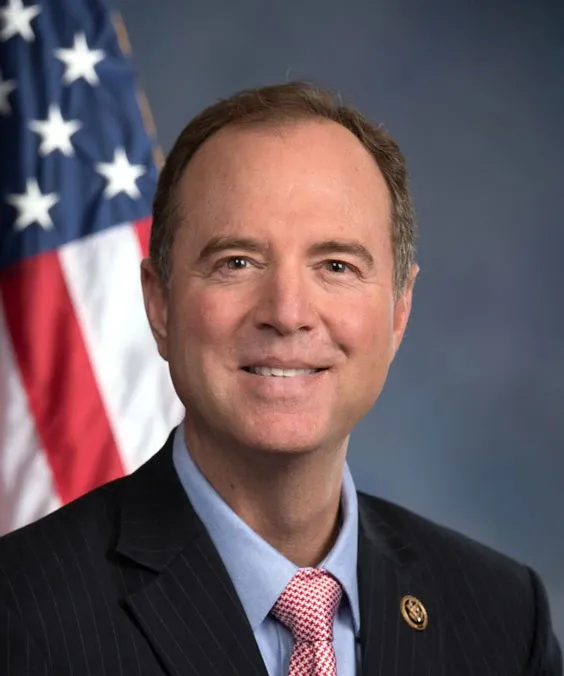
Scott Peters
The Public Record
Scott Peters is a member of the United States House of Representatives, representing California's 52nd congressional district since January 3, 2013. A member of the Democratic Party, Peters has focused on issues such as healthcare, environmental protection, and economic development during his time in Congress. He has been an advocate for policies aimed at addressing climate change and improving access to affordable healthcare for his constituents. Peters previously served on the San Diego City Council, where he gained experience in local governance and community issues.
Jul 16, 2018
At the VA, serving veterans should always come first. And we have to value whistleblowers who call out bad actors and toxic culture.
May 22, 2018
I also want to commend my colleague Ms. Brownley for her work to ensure veterans of all ages have access to vocational rehab in the future.
May 22, 2018
So my bill would just ensure Reservists and Guardsmen will have access to that full 12-year window to use their vocational rehab benefits.
May 21, 2018
My bill would--our bill would--direct the Department of Defense and Department of Energy to work together in analyzing how microreactors can bolster energy resiliency for national security.
May 21, 2018
I supported research and development in next generation energy technologies, particularly advanced nuclear development in small modular reactors.
May 21, 2018
Nuclear energy technology is an important part of increasing our zero mission energy sources.
May 7, 2018
I feel a little bit taken advantage of, because that was not the intent of the vote that I took.
May 7, 2018
I share Mr. Arrington's frustration. I will say that we voted for the Accountability Act here in order to give more flexibility for hiring and firing.
Apr 16, 2018
I also want to note that Congressman Peters and Congressman Rutherford have been very helpful in leading a bipartisan effort to ensure that the VA is paying attention to these new technologies.
Feb 26, 2018
What happens, I think, when we don't do that is that we get the kinds of things that President Trump has proposed, which is an evisceration of the regulatory system that doesn't get us high standards.
Feb 13, 2018
Just following on Mr. Griffith's comment, in the veterans mental healthcare field, I see a huge opportunity for telemedicine, and you have got all sorts of issues with reimbursements but also with cross-State licensing, and I would…
Jan 17, 2018
Not every solution that comes from the government, I think, with community involvement has been so helpful.
Jan 17, 2018
The most cost-effective expenditure of an American taxpayer money is to really prepare transitioning vets to come out and be productive, be employed, have a plan.
Jan 17, 2018
Keeping them housed and off the streets and dealing with housing is, in effect, part of the suicide battle.
Jan 17, 2018
We don't want that to come at the expense of housing, because the two are so related.
Jan 17, 2018
Because of that, the nature of our homeless population is that it is heavy on veterans.
Jan 8, 2018
The choice between a clean environment and a prosperous economy is a false choice.
Nov 13, 2017
They also cost us a ton of money at the Federal Government for cleanup, and I think a lot about what you might have learned as part of the cleanup that you might advise us to invest in ahead of time.
Nov 6, 2017
I think this is about the least intrusive way for government to promote energy efficiency by sort of setting the table for consumers to have the information that they need to make a decision about whether they want to invest in energy…
Oct 11, 2017
I would like to offer that as something that you can advocate for within the Administration.
Politicians like Scott Peters