Richard Nixon
The Public Record
Richard Milhous Nixon was the 37th President of the United States, serving from January 20, 1969, until his resignation on August 9, 1974. A member of the Republican Party, he previously held the office of Vice President under Dwight D. Eisenhower from 1953 to 1961. Nixon's presidency is noted for significant foreign policy achievements, including the historic opening of relations with China and the policy of détente with the Soviet Union. Domestically, he is recognized for establishing the Environmental Protection Agency and implementing various social programs.
Jun 8, 1974
What you have done here and throughout the United States will be long remembered, not only by the President but by all future Presidents for whom you are working.
Jun 8, 1974
When we sometimes may feel tired, that we will never be discouraged, and we will always be heartened by the memory of this luncheon that we are having today.
Jun 8, 1974
The goal that Americans believe in—devoted, for example, to energy, speaking in the narrow sense, that Secretary Simon has had such great experience in, energy adequate for all people wherever they may be.
Jun 8, 1974
Whoever is the American President, be he a Democrat or Republican, in the years ahead to the end of this century—we will not try to look beyond that—but whoever is the American President will hold within his hands the responsibility for…
Jun 8, 1974
A strong American Presidency is essential if we are to have peace in the world.
Jun 6, 1974
I direct Government officials to display the flag of the United States on all Government buildings, and I urge all citizens to display the flag at their homes and other suitable places on that day.
Jun 5, 1974
Our very distinguished guest, His Royal Highness Prince Fahd, brought this home to me in our constructive discussions this morning when he said, 'The friendship between Saudi Arabia and the United States goes back many years before we…
Jun 4, 1974
For now, when the American continent is no longer an isolated fortress, but instead an integral part of a shrinking and a troubled world, a strong American Navy is an indispensable factor in maintaining global peace and global stability.
Jun 4, 1974
It was apparent that the time had come to reassess those responsibilities.
Jun 4, 1974
This is the goal to which I have personally pledged this Administration since the first day of my Presidency.
Jun 4, 1974
Reduction of tensions, therefore, between us has become the foremost requirement of American foreign policy.
Jun 3, 1974
Together with the Congress we recognize this dilemma, but neither branch of Government believes conservation and development are mutually exclusive.
Jun 3, 1974
Air quality is improving in most of our urban areas as harmful emissions have been reduced.
Jun 3, 1974
I am transmitting the first annual report on the management and conservation of our coastal resources, as required by the Coastal Zone Management Act of 1972.
Jun 3, 1974
This date was established by the United Nations as a day on which the peoples of the world can undertake activities reaffirming their concern for the preservation and enhancement of the human environment.
Jun 3, 1974
By systematically weighing the benefits and the costs of proposed actions, we can provide for both conservation and progress.
Jun 3, 1974
As a result, I believe we are able to look forward to rapid progress as the Federal government begins this important task in partnership with State governments.
Jun 3, 1974
In the spirit of the New Federalism, this program constitutes a partnership between the States and the Federal government.
Jun 3, 1974
I had the pleasure of helping to inaugurate EXPO '74, a six-month long exhibition in Spokane, Washington, dedicated to the improvement of the human environment.
May 30, 1974
In Witness Whereof, I have hereunto set my hand this thirty-first day of May, in the year of our Lord nineteen hundred and seventy-four, and of the independence of the United States of America the one hundred ninety-eighth.
May 30, 1974
For their efforts in negotiating this agreement, Sir Christopher Soames, Vice President of the European Communities Commission, and Ambassador William D. Eberle, the U.S. Special Representative for Trade Negotiations, both deserve the…
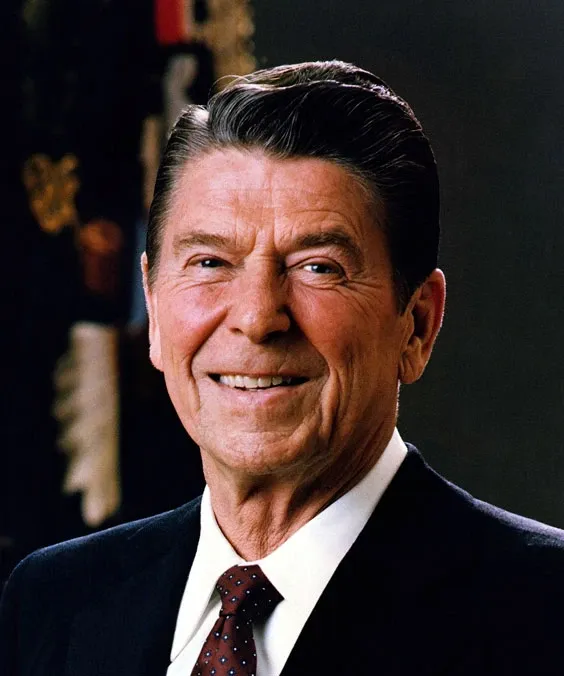
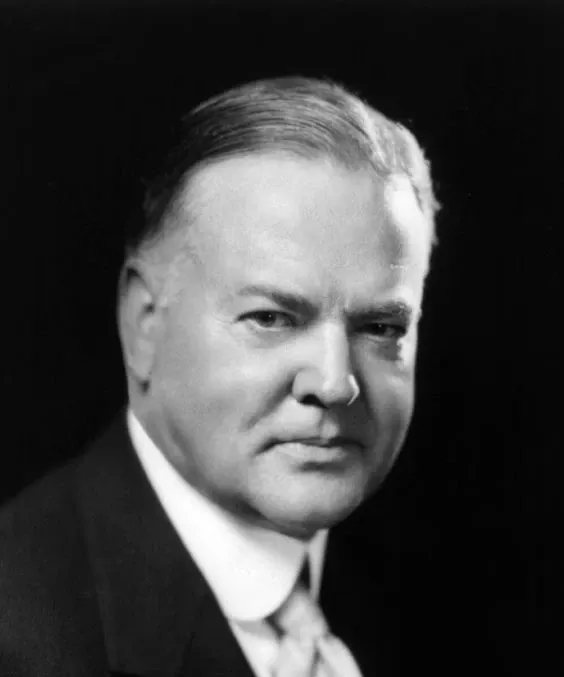
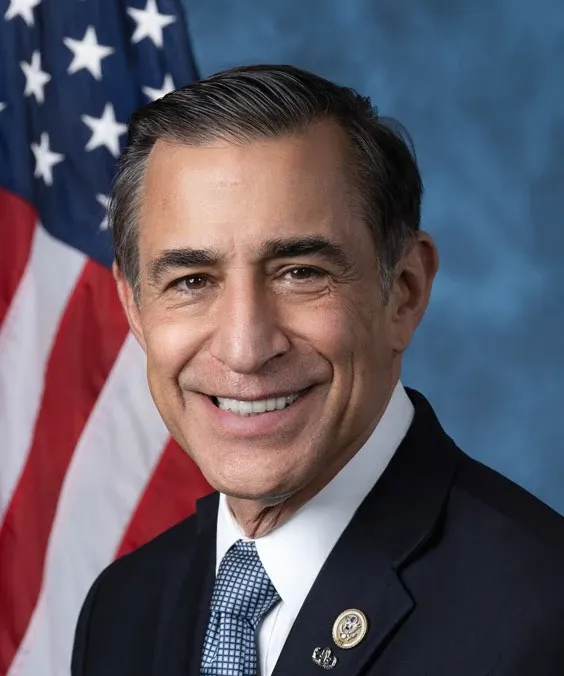
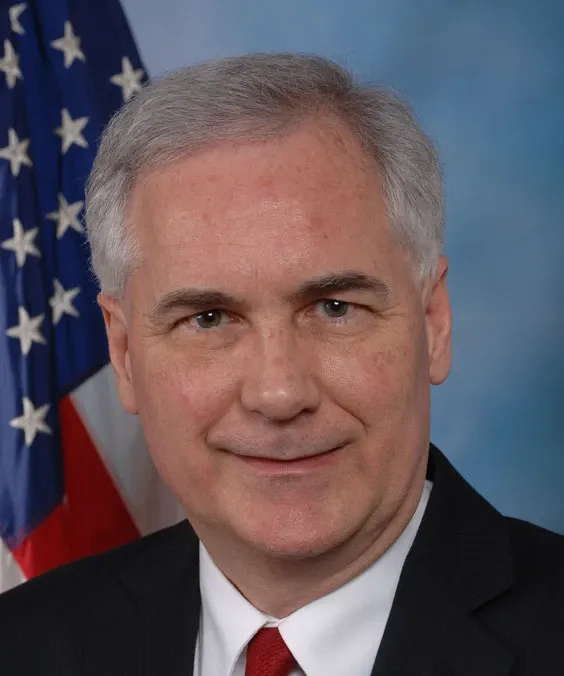
Politicians like Richard Nixon