Now, Therefore, I, Richard Nixon, President of the United States of America, do hereby designate Tuesday, October 9, 1973, as Leif Erikson Day; and I direct the appropriate Government officials to display the flag of the United States on…
Richard Nixon
The Public Record
Richard Milhous Nixon was the 37th President of the United States, serving from January 20, 1969, until his resignation on August 9, 1974. A member of the Republican Party, he previously held the office of Vice President under Dwight D. Eisenhower from 1953 to 1961. Nixon's presidency is noted for significant foreign policy achievements, including the historic opening of relations with China and the policy of détente with the Soviet Union. Domestically, he is recognized for establishing the Environmental Protection Agency and implementing various social programs.
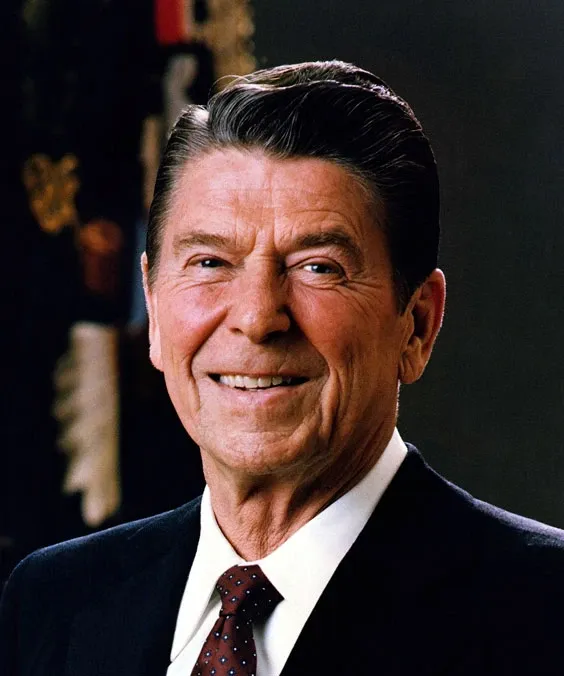
This principle of confidentiality of Presidential conversations is at stake in the question of these tapes.
We cannot let an obsession with the past destroy our hopes for the future.
I stated categorically that I had no prior knowledge of the Watergate operation and that I neither knew of nor took part in any subsequent efforts to cover it up.
My consistent position from the beginning has been to get out the facts about Watergate, not to cover them up.
I relied on the best law enforcement agencies in the country to find and report the truth.
I recognize that this statement does not answer many of the questions and contentions raised during the Watergate hearings.
I pledge to you tonight that I will do all that I can to ensure that one of the results of Watergate is a new level of political decency and integrity in America.
We must not stay so mired in Watergate that we fail to respond to challenges of surpassing importance to America and the world.
This principle of confidentiality in Presidential communications is what is at stake in the question of the tapes.
I also invite the people of the United States to honor the memory of Leif Erikson on that day by holding appropriate exercises and ceremonies in suitable places across our land.
The time has come to turn Watergate over to the courts, where the questions of guilt or innocence belong.
I believed that then, and certainly the experience of this last year has proved that to be true.
To the extent that these things were done in the 1972 campaign, they were serious abuses, and I deplore them.
It is also true, as I said on May 22, that I took no part in, and was not aware of, any subsequent efforts to cover up the illegal acts associated with the Watergate break-in.
Far from trying to hide the facts, my effort throughout has been to discover the facts.
Not a single witness has testified that I had any knowledge of the planning for the Watergate break-in.
Practices of that kind do not represent what I believe government should be, or what I believe politics should be.
While the judicial and legislative branches resolve these matters, I will continue to discharge to the best of my ability my constitutional responsibilities as President of the United States.
If we learn the important lessons of Watergate, if we do what is necessary to prevent such abuses in the future--on both sides--we can emerge from this experience a better and a stronger nation.
Now, Therefore, I, Richard Nixon, President of the United States of America, do hereby designate Monday, October 8, 1973, as Columbus Day.
In tribute to the achievement of Columbus, the Congress of the United States, by joint resolution approved April 30, 1934 (48 Stat. 657), as modified by the act of June 28, 1968 (82 Stat. 250), requested the President to proclaim the…
I also invite the people of America to set aside this day for appropriate ceremonies in honor of the memory of General Casimir Pulaski and his dedication to the defense of liberty