Jun 19, 2019
It is a genocide and we have an obligation to act both as policymakers and as human beings.
The Public Record
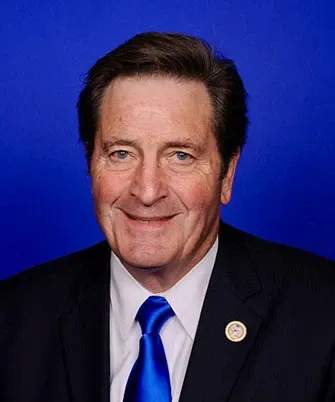
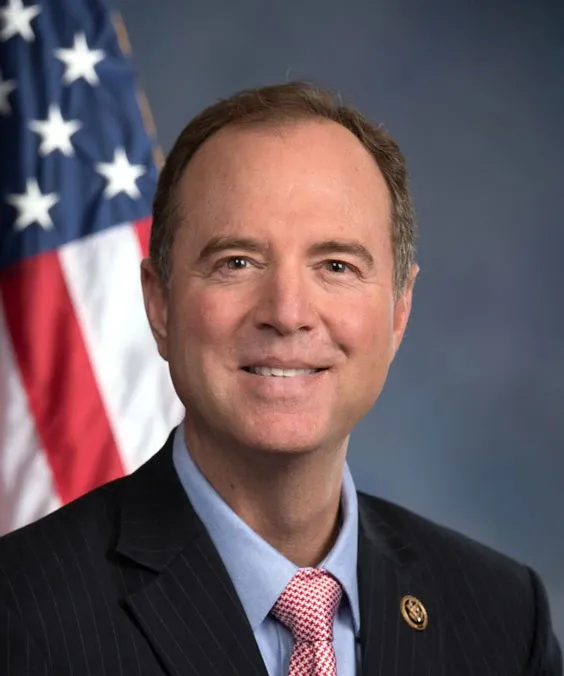
Mike Levin is an American politician serving as the U.S. Representative for California's 49th congressional district since January 3, 2019. A member of the Democratic Party, Levin has focused on issues such as climate change, healthcare, and reproductive rights during his time in office. He has been an advocate for policies that promote access to in vitro fertilization and has emphasized the importance of bipartisan cooperation in Congress.
It is a genocide and we have an obligation to act both as policymakers and as human beings.
We expect the Department of Education to enforce tough standards on institutions of higher learning.
I am extremely concerned that Secretary DeVos has undermined Federal protections to hold predatory for-profit schools accountable.
I believe both agencies have a long way to go in protecting our students' veterans.
This bill prioritizes the removal of spent nuclear fuel from decommissioned nuclear power plants in areas with large populations and high seismic hazard.
I doubt any piece of legislation alone will solve our waste challenges, but I do believe that we need to be considering all options for disposal in an effort to find the safest and, indeed, most cost-effective way to move forward.
I encourage everybody to download the Cal ISO app. It is called 'ISO Today.'
I just pray that we take more seriously the horrific reality on the ground in Yemen and change course immediately.
I don't know about you, but I would actually like to be alive by the time all this is done.
I would encourage that you spend the extra money and you inspect the rest of the canisters.
It will continue to be a core element of my service for as long as I am honored to have the opportunity to serve as your representative.
I think it is a very worthwhile endeavor, and I hope you will continue to be engaged and continue to support those efforts.
That is why we fought so hard for the $25 million in the House appropriations package.
I think it is really important that we focus on a consent-based interim storage program.
I can tell you that I believe the San Diego and Orange County delegation in Congress insists that you do that.
I strongly believe it is long past time they receive the attention they deserve, especially given the risk that nuclear waste poses to the communities.
The spent nuclear fuel in San Onofre in my district has been a central focus and will remain a central focus of my service.
Thank you, Mr. Cunningham. And you are always welcome to visit California's 49th district, which includes La Jolla, the beautiful VA at La Jolla.
Thank you. Also, many of you alluded to the fact that it is not enough to help veterans just secure initial employment, but we really need to invest in ensuring they have lasting and fulfilling careers.
We must do a better job at making sure our veterans are receiving the very best advice from the very best counselors.
Politicians like Mike Levin