Apr 29, 2019
I am pleased that the Administration has not proposed cuts to the overall VA budget.
The Public Record
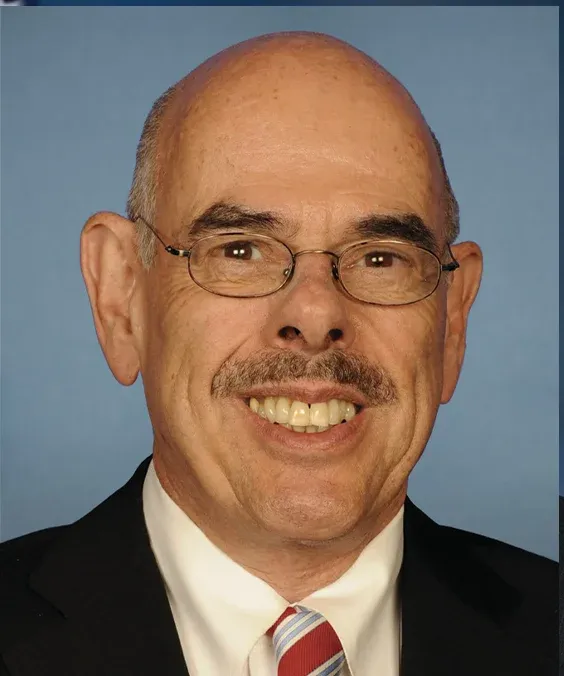
Mike Levin is an American politician serving as the U.S. Representative for California's 49th congressional district since January 3, 2019. A member of the Democratic Party, Levin has focused on issues such as climate change, healthcare, and reproductive rights during his time in office. He has been an advocate for policies that promote access to in vitro fertilization and has emphasized the importance of bipartisan cooperation in Congress.
I am pleased that the Administration has not proposed cuts to the overall VA budget.
I have several questions for our witnesses from the Administration regarding the scope of what they aim to accomplish.
I want to thank everyone for joining us today in the Veterans Affairs' Economic Opportunity Subcommittee.
Great. I agree and every member will have the opportunity to vote this week to keep the United States in the Paris agreement when H.R. 9 comes to the floor.
For me, and for those that I have spoken with, it appears to be a critical aspect for an effective veterans' suicide prevention relationship between private and defense and the VA.
When Connecticut stepped up enforcement of its extreme risk law, it saw a 14 percent reduction in the State's firearm suicide rate.
We must ensure that GI Bill benefits are being used to serve veterans and not line the pockets of bad actors.
Unbelievable. If they live in my or Susan's district, maybe we can work on that.
The Colmery GI Bill included funding to make veterans impacted by school closures whole, at least that was the idea.
We must be sure that when our veterans get a degree, they are not just getting a piece of paper but valuable qualifications that prepare them for a career.
We cannot allow for-profit institutions to skirt accountability rules just by changing a tax designation on paper.
I really do hope that we are able to work on a bipartisan basis to pass these two bills.
They most certainly are assets because they exhibit qualities of teamwork. They exhibit qualities of leadership, of a service to a cause greater than themselves.
I think of the statistic that we are confronted with in Congress that there are more job openings in America today than there are unemployed Americans.
We have a responsibility to provide America's servicemembers with the best possible resources and opportunities as they transition back to civilian life, and we must do more to meet that responsibility.
Secondly, today's hearing has shown that this Committee leaves politics at the door. That is pretty refreshing.
I am proud of the work we are doing here today, and I am especially proud of the way we are doing it, in a bipartisan manner.
This bipartisan legislation will modernize how we assist servicemen and women as they transition to civilian life by placing a focus on what a career really means.
We must be sure that our veterans aren't just getting a piece of paper, but a real plan of transition to civilian life.
For me, these benefits are not just about economic opportunities; they are critical tools for reintegration and readjustment to civilian life.
The real question, in my mind, is whether Americans will be using clean energy technologies that are developed here, that are researched, developed, deployed here, with American jobs and American ingenuity.
As far as the heavy hand of the federal government, I would like to remind my colleagues of the tens of billions of dollars that we subsidize fossil fuels with each year.
Politicians like Mike Levin