Dec 7, 2015
We have seen how the Federal construction project has been mismanaged in the past.
The Public Record
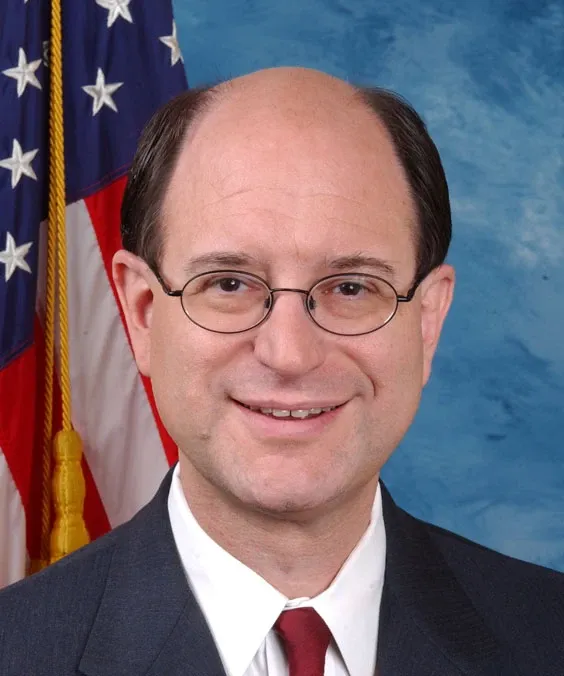
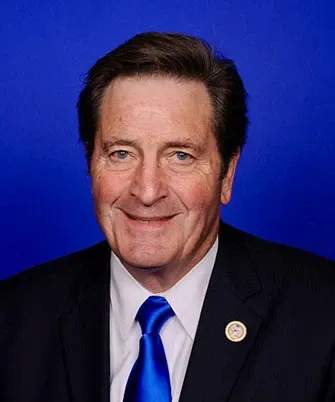
Jerry McNerney is an American politician and a member of the Democratic Party, serving as the U.S. Representative for California's 9th congressional district since 2007. He has focused on energy and environmental issues throughout his tenure, advocating for sustainable practices and policies to combat climate change. McNerney has also been involved in various initiatives aimed at improving healthcare and supporting education in his district.
We have seen how the Federal construction project has been mismanaged in the past.
Do you feel, Mr. Chairman, that Clean Power Plan threatens the reliability of our electrical infrastructure or any of our energy infrastructure?
The needs are clear: Reduce carbon emissions; increase efficiency; affordability, affordable prices for consumers; job creation, reliability; and resilience.
Preparing for our future will require significant investments in our energy industry infrastructure.
What sort of--what is the basis for believing that this is going to be a better provider than what we already have or what has already been tried in the past?
I certainly will not support expanding the VA bureaucratic footprint after the experiences we--I have observed being a Member of this Committee.
But the real challenge is the politics. In order to get this accepted we have to be transparent.
This year, the FCC took an historic step to protect the Internet as we know it.
Reliable broadband access has been and will remain essential for the future of commerce, education, and innovation in this country.
Ignoring the carbon emission problem until that day will condemn the coal industry to extinction.
The atmosphere is not a garbage dump, especially in the United States we need to be responsible for what we're putting into the air.
So even though the Clean Power Plan won't solve the carbon plan by itself, it's given significant impetus worldwide to help other countries reduce their carbon emissions and get the world to a better place in terms of the total carbon…
I applaud your efforts for taking sort of a systemic look at this, maybe a 50,000-foot view.
I want to thank you, Mr. Secretary, for your service both in the Army and as Secretary in this very complicated transition period.
I have repeatedly asked my republican colleagues to embrace carbon sequestration because climate change is coming, it is here, and we need to start doing things about it.
H.R. 2244 and the committee draft direct DOE to undertake the needed review. They offer an appropriate response to a significant vulnerability to our Nation's electric grid and we urge the adoption.
I think the biggest issue for me is ensuring that the asset owners in the grid feel that they can share threat and vulnerability information.
The section I think that is going to give us the most controversy is Section 1202.
Politicians like Jerry McNerney