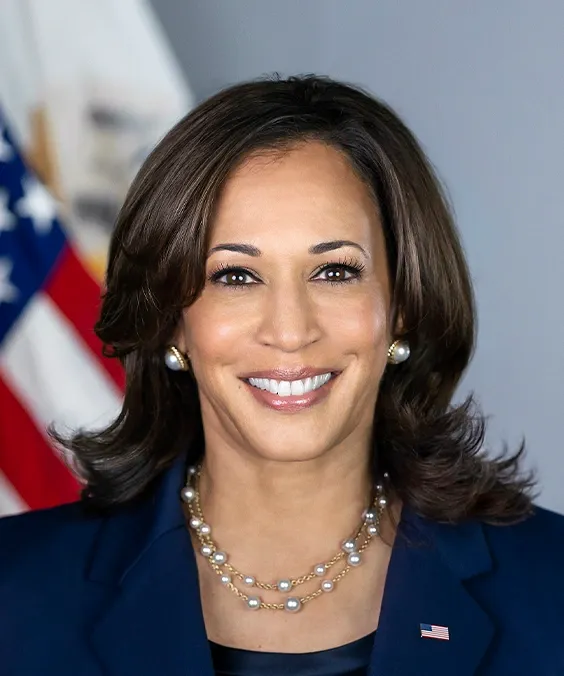
Henry Waxman
The Public Record
Henry Waxman is a former U.S. Representative from California, serving from 1975 to 2015. A member of the Democratic Party, he was known for his work on health care, environmental policy, and consumer protection. During his tenure, Waxman played a key role in the passage of the Affordable Care Act and was a prominent advocate for climate change legislation. He chaired the House Energy and Commerce Committee, where he focused on issues such as tobacco regulation and health care reform.
Feb 13, 2013
Manufacturing is also a key building block for strong and stable middle class in this country.
Feb 12, 2013
It is my hope that our work this Congress will proceed in the same bipartisan manner.
Feb 12, 2013
We have fostered the development of satellite as a viable competitor in the video market, preserved and expanded access to local broadcast content.
Feb 12, 2013
Under the leadership of former subcommittee Chairman Rick Boucher, our committee's consideration of STELA was a bipartisan legislative effort from start to finish.
Feb 12, 2013
STELA is the most recent in a series of laws that permit satellite providers to offer broadcast programming to their subscribers.
Feb 12, 2013
You could change it around so that you would return to some of the provisions that were in the Waxman-Markey bill.
Feb 12, 2013
But the Whitfield bill would eliminate EPA's ability to drive pollution control technology, rejecting an approach that has been successful for over 4 decades.
Feb 12, 2013
Once an air pollution standard is in place, American industry gets to work and meets it.
Feb 12, 2013
Almost every time EPA proposes a significant new requirement, industry tells us it can't be done.
Feb 12, 2013
So we know, from decades of experience, that the Clean Air Act drives innovations in pollution control.
Feb 12, 2013
Since 1970, when President Nixon signed the Clean Air Act, we have had a law that had several key features that have helped make it one of the most successful environmental laws in the world.
Feb 12, 2013
Just saying no, pretending it doesn't exist, is just a recipe for climate disaster.
Feb 12, 2013
If this committee is truly concerned about the future of coal, it should be doing everything possible to advance the carbon capture technologies.
Feb 12, 2013
The warning signs of climate change are happening all around us, but House Republicans are averting their eyes, denying the science, and jeopardizing the future of our children and grandchildren.
Feb 12, 2013
Why in the world would a country, struggling with economic growth, trying to be competitive in the global marketplace, say to its citizens, and make a policy decision without a national debate, that one of our most abundant resources will…
Feb 12, 2013
So now they are attempting to do, by regulation, what cannot be done through legislation.
Feb 4, 2013
A global Internet free from government control is in the best interests of all Americans.
Feb 4, 2013
I want to begin it by offering to work with you as we grapple with these incredibly serious challenges.
Feb 4, 2013
As we debate our energy future, this committee has a choice. It is an energy choice and a climate policy choice, and ultimately it is a moral choice.
Feb 4, 2013
These are all positive developments. The question we must ask is whether we are on a sustainable course for the years to come.
Feb 4, 2013
We stood shoulder-to-shoulder in support of the Administration because we agree that regardless of our domestic disagreements on the best ways to achieve our shared vision of Internet openness, these differences stop at the water's edge.
Feb 4, 2013
We are all disappointed that the WCIT produced a treaty that seeks an expansion of governmental control into Internet governance.
Feb 4, 2013
We also, I think, need to discuss how energy choices we are making today will have long-term impacts for our climate.
Politicians like Henry Waxman