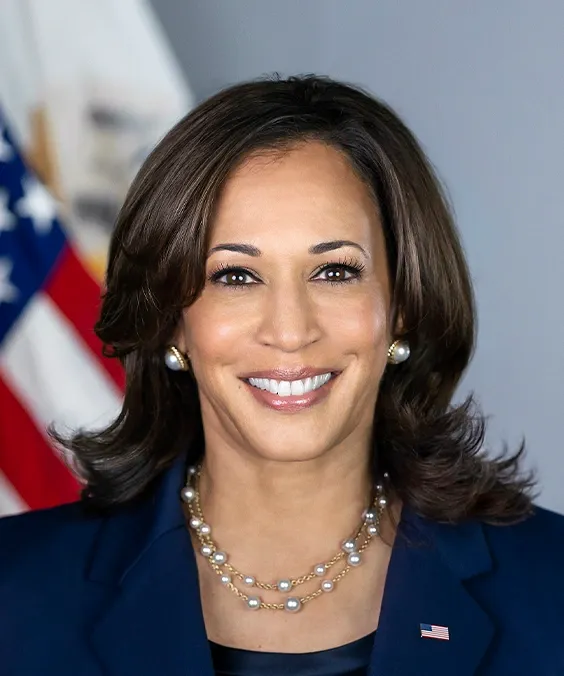
Henry Waxman
The Public Record
Henry Waxman is a former U.S. Representative from California, serving from 1975 to 2015. A member of the Democratic Party, he was known for his work on health care, environmental policy, and consumer protection. During his tenure, Waxman played a key role in the passage of the Affordable Care Act and was a prominent advocate for climate change legislation. He chaired the House Energy and Commerce Committee, where he focused on issues such as tobacco regulation and health care reform.
Jul 15, 2013
I don't believe that our bill would have allowed the NECC situation to have occurred.
Jul 15, 2013
This is not, as you know, a Republican or a Democrat issue. This is just trying to get it right.
Jul 15, 2013
It appears to me that you are operating within the confines of the current statutory framework and doing the best you could under that regime.
Jul 15, 2013
We have learned a lot through our investigation, especially that FDA's authorities over compounding pharmacies are broken and inadequate.
Jul 15, 2013
It has been 10 months since we saw the tragic fungal meningitis outbreak caused by the New England Compounding Center in Massachusetts. More than 60 people have died, over 740 people were sickened, and more than 13,000 others in 20 States…
Jul 10, 2013
This information empowers families, researchers, and consumer advocates who wish to educate or understand the chemicals we are exposed to.
Jul 10, 2013
Both of these sections are in need of reform, and I welcome the panel and their testimony.
Jul 10, 2013
TSCA is an important law because of its role in protecting the American public from dangerous chemicals--and it is long overdue for strengthening.
Jul 10, 2013
Ms. White, you mentioned in your testimony that EPA didn't have access to all of the information it needed...
Jul 10, 2013
Four years ago, this committee spent a considerable time examining the Toxic Substances Control Act, and worked to craft policy solutions for its failures.
Jul 10, 2013
I believe these provisions further incapacitate the FCC, and I would like to ask our witnesses questions about two of these provisions.
Jul 10, 2013
The FCC will approve a transaction if considering the potential consumer benefits and harms, it determines that the transaction is in the public interest.
Jul 10, 2013
From our perspective, it is transparent that this legislation is an effort to undermine the agency's ability to adopt new rules, protect consumers, and promote competition.
Jul 8, 2013
The arbitrary deadlines established by this bill raise serious concerns, but the worst provision may be the one that automatically grants environmental permits for a pipeline.
Jul 8, 2013
This bill aimed at speeding up FERC permitting could actually end up having the opposite effect.
Politicians like Henry Waxman